


The journey of aging is a natural and often beautiful process, and our minds are no exception. Just like our bodies, our brains change over time. At AgingDecoded.com, we’re dedicated to providing you with clear, evidence-based information to navigate these changes with confidence. In our “Mind & Cognitive Health” section, we explore how embracing healthy lifestyle factors can be your most powerful allies in supporting brain aging, reducing dementia risk, enhancing mood, and sharpening cognitive function. It’s not about finding a magic pill or living in fear, but about actively cultivating habits that nurture your most vital organ.
The good news is that your brain is remarkably adaptable, a quality known as neuroplasticity. This means it can create new connections and pathways throughout your life, especially when you provide it with the right stimuli and support. The lifestyle factors we’ll discuss – movement, sleep, diet, blood pressure management, social connection, stress management, continuous learning, a sense of purpose, and overall mental health – are not just isolated habits; they weave together to create a protective shield for your brain, promoting resilience and vitality as you age.
The Foundations of a Healthy Brain: Understanding Lifestyle’s Impact
Think of your brain as a complex ecosystem. To thrive, it requires the right balance of nourishment, activity, rest, and social interaction. Each of these elements plays a crucial role in maintaining its structure and function, influencing how well you think, remember, and feel.
Movement: More Than Just Physical Fitness
When we talk about movement, we’re not just talking about building muscle or maintaining a healthy weight, though these are important benefits. Regular physical activity has profound effects on brain health.
Enhancing Blood Flow and Oxygenation
Exercise increases blood flow to the brain, delivering vital oxygen and nutrients. This improved circulation is like giving your brain cells a constant supply of fresh air and nourishment, enabling them to function optimally. Think of it as watering a plant – consistent hydration is key to its health.
Stimulating Brain-Derived Neurotrophic Factor (BDNF)
Physical activity is a powerful stimulant for Brain-Derived Neurotrophic Factor (BDNF), often dubbed “Miracle-Gro for the brain.” BDNF is a protein that plays a critical role in the survival of existing neurons and the growth of new neurons and synapses. It’s essential for learning and memory, and higher levels are associated with better cognitive function and a reduced risk of neurodegenerative diseases.
Reducing Inflammation and Oxidative Stress
Chronic inflammation and oxidative stress are detrimental to brain cells. Regular exercise has anti-inflammatory properties and helps to combat oxidative stress, protecting your brain from damage over time.
Improving Mood and Reducing Stress
The mood-boosting effects of exercise are well-documented. Physical activity releases endorphins, natural mood elevators, which can help alleviate symptoms of depression and anxiety. By reducing stress hormones like cortisol, exercise creates a calmer internal environment, which is beneficial for cognitive clarity.
Restorative Sleep: The Brain’s Essential Recharge
Sleep is not a luxury; it’s a fundamental biological need for your brain. During sleep, your brain is incredibly active, consolidating memories, clearing out waste products, and repairing itself.
Memory Consolidation and Learning
While you sleep, your brain processes and stores information acquired during the day, transforming short-term memories into long-term ones. This process is vital for learning and retaining new information. Without adequate sleep, this consolidation process is impaired, making it harder to learn and remember.
Clearing Waste Products (The Glymphatic System)
During deep sleep, your brain’s glymphatic system kicks into high gear. This system acts like a janitorial service, flushing out metabolic waste products, including beta-amyloid proteins, which are implicated in Alzheimer’s disease. This nightly cleanup is crucial for maintaining a healthy brain environment.
Emotional Regulation and Mood
Poor sleep can significantly impact your mood, leading to irritability, increased anxiety, and a greater susceptibility to depression. Quality sleep helps regulate emotions and improves your overall mental well-being.
Cognitive Function Restoration
Adequate sleep is essential for optimal cognitive function. When you’re well-rested, you experience improved attention, concentration, problem-solving skills, and creativity. Sleep deprivation, on the other hand, impairs these abilities, making daily tasks feel more challenging.
Nourishing Your Brain: The Power of Diet
What you eat directly impacts your brain’s health and function. A nutrient-rich diet provides the building blocks and fuel your brain needs to operate efficiently.
The Mediterranean and MIND Diets: Blueprints for Brain Health
The Mediterranean diet and its brain-focused adaptation, the MIND (Mediterranean-DASH Intervention for Neurodegenerative Delay) diet, are consistently linked to better cognitive function and a reduced risk of dementia. These diets emphasize plant-based foods, healthy fats, and lean proteins.
- Mediterranean Diet: This way of eating focuses on fruits, vegetables, whole grains, legumes, nuts, seeds, olive oil, and fish. It’s lower in red meat, processed foods, and sweets.
- MIND Diet: This diet combines aspects of the Mediterranean and DASH (Dietary Approaches to Stop Hypertension) diets, specifically highlighting foods known to be beneficial for brain health. Key components include leafy green vegetables, other vegetables, nuts, berries, beans, whole grains, fish, poultry, olive oil, and wine (in moderation). It also advises limiting foods high in saturated fats and red meat.
Key Nutrients for Brain Function
- Omega-3 Fatty Acids: Found in fatty fish (salmon, mackerel, sardines), flaxseeds, and walnuts, omega-3s are crucial for brain cell structure and function. They have anti-inflammatory properties and are vital for learning and memory.
- Antioxidants: These compounds protect brain cells from damage caused by free radicals. They are abundant in berries, dark leafy greens, and colorful fruits and vegetables.
- B Vitamins: Essential for energy production and neurotransmitter synthesis, B vitamins are found in whole grains, leafy greens, eggs, and lean meats.
- Vitamin E: An antioxidant found in nuts, seeds, and vegetable oils, Vitamin E helps protect brain cells from oxidative damage.
Hydration: The Unsung Hero
Don’t underestimate the importance of staying hydrated. Even mild dehydration can impair cognitive function, leading to difficulties with concentration, memory, and mood. Make water your primary beverage throughout the day.
Managing Blood Pressure: A Crucial Link to Cognitive Health
High blood pressure, or hypertension, is a significant risk factor for cognitive decline and dementia. Protecting your cardiovascular health is directly protecting your brain.
The Impact of High Blood Pressure on Brain Blood Vessels
Elevated blood pressure can damage the delicate blood vessels in the brain over time. This damage can lead to reduced blood flow, small strokes (silent or symptomatic), and an increased risk of vascular dementia.
Strategies for Blood Pressure Management
- Healthy Diet: As discussed, diets like the DASH and Mediterranean diets are excellent for blood pressure control. Limiting sodium intake is also crucial.
- Regular Exercise: Physical activity is a powerful tool for lowering blood pressure.
- Maintaining a Healthy Weight: Excess weight can contribute to hypertension.
- Stress Management: Chronic stress can elevate blood pressure.
- Adequate Sleep: Poor sleep quality is often linked to higher blood pressure.
- Medical Consultation: If you have high blood pressure, it’s essential to work with your doctor to manage it effectively through medication and lifestyle changes.
Social Connection: The Brain’s Social Fabric
Humans are inherently social beings, and our brains are wired for connection. Meaningful social interactions are vital for maintaining cognitive health and emotional well-being.
Combating Loneliness and Isolation
Loneliness and social isolation are significant risk factors for cognitive decline and depression. Engaging with others provides mental stimulation, emotional support, and a sense of belonging, all of which are protective for the brain.
Cognitive Stimulation Through Interaction
Conversations, shared activities, and even simply being around others engage various parts of your brain, including those involved in language, memory, and problem-solving. Social interaction can be a gentle yet effective way to keep your mind sharp.
Emotional Well-being and Stress Reduction
Strong social networks provide a buffer against stress and can significantly improve mood. Knowing you have people to rely on and share experiences with reduces feelings of anxiety and enhances overall emotional resilience.
Stress Management: Keeping the Brain Calm
While some stress is a normal part of life, chronic, unmanaged stress can have detrimental effects on brain health.
The Negative Impact of Chronic Stress
Prolonged exposure to stress hormones like cortisol can damage brain cells, particularly in the hippocampus, an area critical for learning and memory. It can also impair executive functions like decision-making and attention.
Effective Stress Reduction Techniques
- Mindfulness and Meditation: Regular practice can calm the nervous system and improve focus.
- Deep Breathing Exercises: Simple yet effective for immediate stress relief.
- Yoga and Tai Chi: Combine gentle movement with mindfulness.
- Spending Time in Nature: A proven stress reducer.
- Engaging in Hobbies: Activities you enjoy can be a great escape and stress reliever.
- Seeking Professional Support: Therapists can provide strategies for managing chronic stress.
Continuous Learning: Keeping Your Mind Agile
The brain thrives on novelty and challenge. Engaging in activities that require learning and problem-solving can strengthen neural connections and build cognitive reserve.
Neuroplasticity in Action
When you learn something new, your brain forms new neural pathways and strengthens existing ones. This process, known as neuroplasticity, is key to maintaining cognitive flexibility and adaptability throughout life.
Building Cognitive Reserve
Cognitive reserve refers to the brain’s ability to cope with damage or disease. By continuously challenging your brain through learning, you build this reserve, making you more resilient to age-related changes and neurological conditions.
Enjoyable Learning Experiences
Learning doesn’t have to feel like work. It can be anything from learning a new language or musical instrument to exploring a new topic of interest, taking a class, or even engaging in complex problem-solving games. The key is to find activities that are stimulating and enjoyable for you.
Purpose and Meaning: The Brain’s Driving Force
Having a sense of purpose and meaning in life is deeply connected to overall well-being, including cognitive health.
Motivation and Engagement
A sense of purpose provides motivation and direction, encouraging engagement in life activities. This active engagement, whether through work, volunteering, or personal pursuits, keeps the brain active and stimulated.
Resilience and Well-being
Individuals with a strong sense of purpose often report higher levels of life satisfaction, reduced stress, and greater resilience in the face of challenges. This positive outlook and engagement can indirectly support brain health.
Contributing to Others
Activities that involve contributing to something larger than oneself, such as volunteering or mentoring, can provide a profound sense of purpose and connection, benefiting both the giver and the receiver.
Mental Health: The Interconnectedness of Mind and Brain
Your mental health is inextricably linked to your cognitive health. Conditions like depression and anxiety can significantly impact brain function.
The Impact of Depression and Anxiety on Cognitive Function
Depression and chronic anxiety can impair memory, attention, concentration, and decision-making abilities. They can also affect the brain’s ability to form new memories and regulate emotions.
Seeking Support for Mental Health Challenges
It’s crucial to address any mental health concerns promptly. Therapy, medication (when prescribed by a doctor), and lifestyle changes can be highly effective in managing depression and anxiety, thereby supporting cognitive health.
Engaging in brain games can significantly enhance cognitive health, but recent research has also highlighted the benefits of mindfulness and psilocybin in improving emotional balance, particularly in caregivers. For more insights on this topic, you can read the article titled “Psilocybin and Mindfulness Enhance Emotional Balance in Caregivers” which explores how these practices can complement cognitive exercises. To learn more, visit this article.
Protecting Your Senses: Hearing and Vision
While not always categorized with the core lifestyle factors, protecting your hearing and vision is paramount for cognitive health.
The Importance of Hearing Health
Untreated hearing loss is increasingly recognized as a significant risk factor for cognitive decline and dementia. When you can’t hear well, your brain has to work harder to process sounds, which can strain cognitive resources. Furthermore, social isolation often follows hearing loss, compounding the negative effects.
Strategies for Hearing Health
- Get regular hearing checks.
- Use hearing protection in noisy environments.
- If you have hearing loss, consider hearing aids. They can significantly improve cognitive function and quality of life.
The Importance of Vision Health
Good vision is essential for engaging with the world around you and participating in cognitive activities. Impaired vision can lead to reduced participation in social activities and a decreased ability to read, learn, and engage with mentally stimulating tasks.
Strategies for Vision Health
- Get regular eye exams.
- Protect your eyes from UV exposure.
- Manage underlying health conditions like diabetes, which can affect vision.
Boost Your Brain with Fun Cognitive Games
Now that we’ve explored the foundational lifestyle factors, let’s delve into a specific and enjoyable way to nurture your cognitive health: engaging in fun cognitive games. These activities are not just pastimes; they are powerful tools for keeping your mind sharp, fostering neuroplasticity, and adding an element of joy to brain maintenance.
The beauty of cognitive games lies in their accessibility and variety. Whether you prefer solitary puzzles or interactive challenges, there’s a game out there to suit your taste and cognitive goals. They offer a low-stakes, high-reward environment to exercise your brain’s various functions without the pressure of formal learning.
Cognitive games, often referred to as brain games, are activities designed to challenge specific cognitive functions such as memory, attention, problem-solving, and executive function. They provide a dynamic and enjoyable way to keep your brain engaged and adaptable.
Memory Games: Sharpening Your Recall
Memory is a cornerstone of cognitive function, and various games can help strengthen different aspects of our memory.
Working Memory and Short-Term Recall
Working memory is your ability to hold and manipulate information for a short period. Games that involve remembering sequences, matching pairs, or recalling details from a short narrative directly exercise this crucial skill.
Examples:
- Concentration/Memory Match: A classic card game where players try to find matching pairs. This directly tests visual short-term memory and attention.
- Simon Says (or similar electronic memory games): Requires you to remember and repeat a sequence of lights and sounds. As the sequences get longer, it becomes a significant challenge for working memory.
- N-Back Tasks: While often found in dedicated brain-training apps, the principle involves remembering items from a certain number of steps back in a sequence.
Long-Term Memory and Retrieval
Games that require you to recall information learned over longer periods, or to access stored knowledge, are excellent for bolstering long-term memory retrieval.
Examples:
- Trivia Games: These games tap into your general knowledge base, requiring you to access and retrieve information stored in your long-term memory.
- Crossword Puzzles and Word Searches: While they engage different cognitive skills, completing them often requires recalling word meanings, spellings, and common phrases, strengthening lexical memory.
- Storytelling Games: Games where you have to recall plot points or characters from a story you’ve heard or read previously.
Engaging in brain games can significantly enhance cognitive health, and understanding the broader aspects of fitness is equally important. For those interested in how various fitness metrics contribute to healthy aging, a related article offers valuable insights. You can explore this topic further by visiting this link, which discusses the science behind maintaining both physical and mental well-being as we age.
Problem-Solving and Logic Puzzles: Building Analytical Skills
Problem-solving and logic games are fantastic for honing your analytical thinking, deductive reasoning, and ability to strategize.
Deductive and Inductive Reasoning
These games challenge you to make logical deductions from given information or to identify patterns and infer general rules.
Examples:
- Sudoku: This numerical puzzle requires logical deduction to fill in a grid based on existing numbers. It strengthens pattern recognition and sequential reasoning.
- Logic Grid Puzzles: These puzzles present clues that you must use to deduce relationships between different categories (e.g., who owns which pet and lives in which house).
- Jigsaw Puzzles: While seemingly simple, completing a jigsaw puzzle involves spatial reasoning, pattern recognition, and a systematic approach to problem-solving. The larger and more complex the puzzle, the greater the cognitive challenge.
Strategic Thinking and Planning
Many games require you to think ahead, anticipate consequences, and develop strategies to achieve a goal.
Examples:
- Chess and Checkers: These classic strategy board games are renowned for their ability to develop foresight, planning, and tactical thinking.
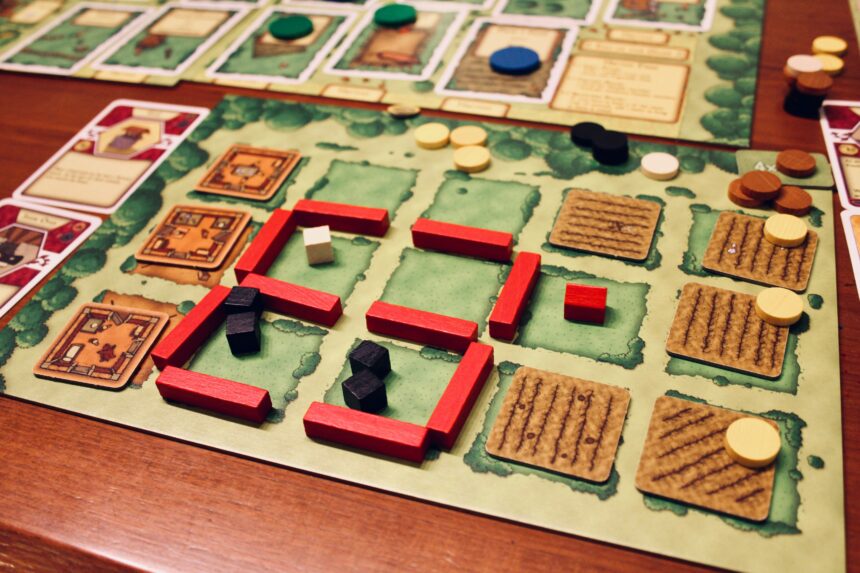
- Board Games like Settlers of Catan or Ticket to Ride: These games involve resource management, strategic decision-making, and adapting to changing circumstances.
- Video Games with Strategic Elements: Many modern video games require players to plan, manage resources, and make tactical decisions to progress.
Attention and Focus Games: Enhancing Concentration
In today’s world of constant distractions, games that improve your ability to focus and maintain attention are invaluable.
Sustained Attention and Vigilance
These games require you to maintain focus over an extended period, noticing specific details or responding to stimuli as they appear.
Examples:
- “Where’s Waldo?” (or similar hidden object games): These games demand sustained visual attention and the ability to scan and identify specific details within a complex image.
- Card Sorting and Filtering Tasks: Games that involve sorting cards based on multiple criteria or filtering out distractions require significant sustained attention.
- Certain types of app-based “brain training” games: Many are specifically designed to improve sustained attention and reaction time.
Selective Attention and Task Switching
These games challenge your ability to focus on relevant information while ignoring distractions, or to switch your attention efficiently between different tasks.
Examples:
- Stroop Test-like Games: Games where you have to name the color of a word, but the word itself is a different color (e.g., the word “blue” is written in red ink). This requires selective attention to override an automatic response.
- Games that require rapidly switching between different rules or objectives.
Language and Verbal Games: Keeping Your Vocabulary and Communication Skills Sharp
Engaging with language through games can boost your vocabulary, improve verbal fluency, and enhance your ability to communicate effectively.
Vocabulary Expansion and Word Association
These games encourage you to think about words, their meanings, and their relationships.
Examples:
- Scrabble and Bananagrams: These popular word-building games challenge you to form words from letter tiles, constantly expanding your vocabulary and spelling skills.
- Boggle: Requires you to find as many words as possible within a grid of letters, promoting quick word recall and association.
- Word Ladder Puzzles: These puzzles involve transforming one word into another by changing one letter at a time, requiring vocabulary knowledge and an understanding of word relationships.
Creative Expression and Storytelling
Games that involve creating narratives or expressing ideas verbally can stimulate creativity and improve communication.
Examples:
- Storytelling games like Rory’s Story Cubes: Dice with images on them that players roll and use to build a collaborative story.
- Improvisation games: Often used in theater, these games can be adapted for small groups and encourage quick thinking, creativity, and verbal articulation.
Spatial Reasoning Games: Navigating Your World
Spatial reasoning is the ability to understand and remember the relationships between objects and space. Games that challenge this can improve navigation, problem-solving, and even artistic skills.
Visualizing and Manipulating Objects
These games involve mentally rotating objects, understanding perspective, and solving puzzles that rely on spatial relationships.
Examples:
- Tetris: A classic puzzle video game that requires players to visualize how falling blocks will fit together, a prime example of spatial reasoning.
- Tangram Puzzles: These geometric puzzles involve arranging seven flat shapes into a specific silhouette.
- 3D Puzzles and Building Blocks: Games like LEGOs or more complex 3D puzzles challenge your ability to visualize and assemble objects in three dimensions.
How to Support Your Brain as You Age: Realistic Steps for Those Over 40
Embarking on a journey of proactive brain health is a lifelong endeavor, and the positive changes you make today will pay dividends for years to come. For individuals over 40, integrating these evidence-based habits into your routine can significantly support cognitive vitality and reduce your risk of age-related cognitive decline.
- Prioritize Restorative Sleep: Aim for 7-9 hours of quality sleep per night. Establish a consistent sleep schedule, create a relaxing bedtime routine, and ensure your bedroom is dark, quiet, and cool. If you struggle with sleep, consult your doctor.
- Embrace a Brain-Healthy Diet: Focus on the principles of the Mediterranean or MIND diet. Fill your plate with colorful fruits and vegetables, whole grains, lean proteins, and healthy fats like olive oil and nuts. Limit processed foods, excessive sugar, and saturated fats. Stay well-hydrated by drinking plenty of water.
- Move Your Body Regularly: Aim for at least 150 minutes of moderate-intensity aerobic activity or 75 minutes of vigorous-intensity aerobic activity per week, plus muscle-strengthening activities at least two days a week. Find activities you enjoy, whether it’s brisk walking, swimming, dancing, or gardening, to make it sustainable.
- Stay Socially Engaged and Connected: Make an effort to nurture your relationships. Join clubs, volunteer, take classes, or simply schedule regular catch-ups with friends and family. Meaningful social interaction is a powerful buffer against cognitive decline.
- Challenge Your Brain with Learning and Fun: Regularly engage in activities that stimulate your mind. This could be reading, learning a new skill or language, playing challenging games, or pursuing a new hobby. The key is to embrace novelty and continuous learning.
- Manage Stress and Prioritize Mental Well-being: Practice stress-reduction techniques like mindfulness, meditation, deep breathing exercises, or spending time in nature. If you experience persistent feelings of anxiety or depression, seek professional help from a therapist or doctor.
By weaving these strategies into the fabric of your daily life, you’re not just protecting your brain; you’re enhancing your overall quality of life. Remember, aging is an opportunity for continued growth and discovery, and a healthy, vibrant mind is your greatest asset on this journey.
FAQs
What are brain games?
Brain games are activities or exercises designed to stimulate and challenge the brain, with the goal of improving cognitive functions such as memory, attention, and problem-solving skills.
Do brain games improve cognitive health?
Research suggests that engaging in regular brain games and mental exercises can help improve cognitive health, including memory, attention, and processing speed. However, the extent of the benefits may vary from person to person.
What types of brain games are effective for cognitive health?
Effective brain games for cognitive health include puzzles, memory games, strategic board games, and activities that require mental focus and problem-solving. Digital brain training programs and apps are also popular options.
Are there any risks associated with brain games?
While brain games are generally considered safe for most people, it’s important to avoid overexertion and excessive frustration. Additionally, individuals with certain medical conditions or cognitive impairments should consult with a healthcare professional before starting a brain training regimen.
How often should one engage in brain games for cognitive health?
The frequency of brain game engagement can vary, but regular participation is key. Aim to incorporate brain games into your routine several times a week to maintain and improve cognitive health. It’s also important to combine brain games with other healthy lifestyle habits, such as physical exercise and a balanced diet, for overall well-being.