


The Surprising Role of Vitamin D in Aging: A Reflection
Aging is a familiar companion to all of us, a quiet yet undeniable force that walks hand in hand with the passage of time. As a health columnist fascinated by the science and stories surrounding longevity, I often find myself pondering what we can do to age gracefully and healthily. Recently, I stumbled upon intriguing findings about vitamin D supplementation and its potential role in maintaining telomeres—the protective caps on our chromosomes that tend to shorten as we age. This new perspective on vitamin D not only piqued my curiosity but also left me reflecting deeply on how science intersects with our daily lives.
Understanding Telomeres
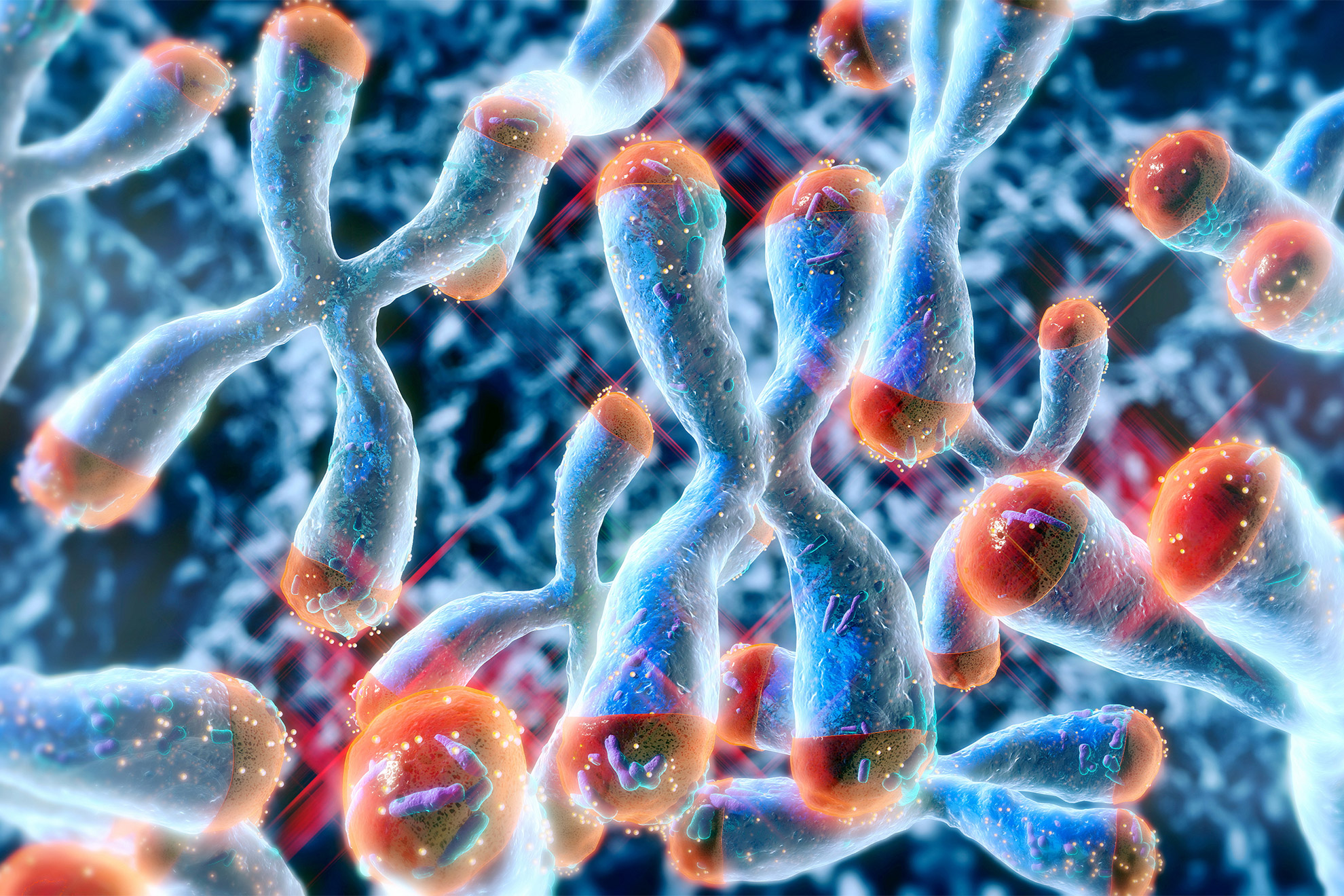
So, what are telomeres exactly? These tiny structures made up of repeating DNA sequences serve as protectors for our chromosomes, preventing them from fraying or fusing together—essentially acting as the biological equivalent of plastic tips on shoelaces. As I learned more about them over the years, it struck me that telomere shortening is a natural part of aging and has been linked to various age-related diseases. It’s almost poetic, really: each year we live might subtly chip away at these microscopic shields.
It was refreshing to read that results from a randomized controlled trial published in The American Journal of Clinical Nutrition highlighted vitamin D’s protective effects on these essential structures. Conducted as part of the VITAL (VITamin D and OmegA-3 TriaL) sub-study by researchers at Mass General Brigham and Augusta University’s Medical College of Georgia, this research opens up an exciting pathway for understanding biological aging.
The VITAL Study: A Glimpse into Science
“VITAL is the first large-scale and long-term randomized trial to show that vitamin D supplements protect telomeres and preserve telomere length,” said JoAnn Manson, one of the study’s co-authors. Hearing her speak so confidently filled me with hope; it felt like a door had opened into new possibilities for maintaining not just longevity but quality of life as well. The study followed U.S. adults aged 50 or older for five years while assessing their telomere length through regular evaluations.
I began to wonder whether incorporating simple supplements like vitamin D could genuinely alter our aging trajectory—or if it was merely another fleeting trend in health advice. After all, we have seen many “miracle” solutions come and go throughout history.
The Emotional Impact
This journey through scientific findings inevitably led me back to my own experiences with aging—both personal and observed among family members who have navigated chronic illnesses related to aging processes. I still remember watching my grandmother struggle with mobility issues brought on by years spent living without adequate nutrients like vitamin D or omega-3 fatty acids. Her challenges serve as constant reminders that our bodies require care—not just when things go awry but proactively throughout life.
“Our findings suggest that targeted vitamin D supplementation may be a promising strategy to counter a biological aging process.” – Haidong Zhu
With thousands participating in studies like VITAL, it feels comforting knowing there are dedicated researchers working tirelessly towards solutions for healthier living—solutions grounded in credible evidence rather than mere speculation.
A New Perspective on Aging
In the context of this groundbreaking study, it is essential also to acknowledge some limitations noted within earlier research suggesting inconsistent results regarding supplementing vitamins or fatty acids for supporting telomeres. Yet here lies an important lesson: inconsistencies invite inquiry rather than resignation; they remind us that science rarely offers perfect answers wrapped neatly into packages adorned with bows.
While taking vitamin D3 daily significantly reduced telomere shortening over four years—implying an impressive preservation akin to staving off nearly three years’ worth of perceived aging—it was interesting yet perhaps unsurprising that omega-3 supplementation did not show similar benefits during follow-up assessments.”
A Step Towards Action
This leaves us contemplating practical steps toward enhancing cellular resilience against aging effects through lifestyle choices—including diet modifications paired harmoniously alongside informed supplement routines tailored individually based upon unique needs identified via healthcare professionals.
Maybe that’s where true empowerment lies—in understanding ourselves better so we can navigate options available within modern science while remaining mindful stewards over our well-being.
Of course—what works wonders for one person may vary immensely between individuals depending upon genetics unforeseen circumstances surrounding one’s lifestyle choices.
Ultimately though—it seems prudent practice remains essential regardless: nourishing bodies daily empowers minds expands horizons bodes well toward enriching lives lived fully present…for however long destiny allows.
The reality is beautifully chaotic; much like life itself…where simplicity meets complexity constantly colliding creating dynamic interplay between nature nurture unwavering resilience accompanying journeys forward.
Reflecting upon these findings gives rise not merely towards renewed hope but deeper awareness mindfulness around how we engage actively shaping experiences connection fostering relationships ultimately leaving legacies behind ensuring vibrant memories live longer than physical existence.”
Written for Aging Decoded – The Future of Health News, One Story at a Time.