


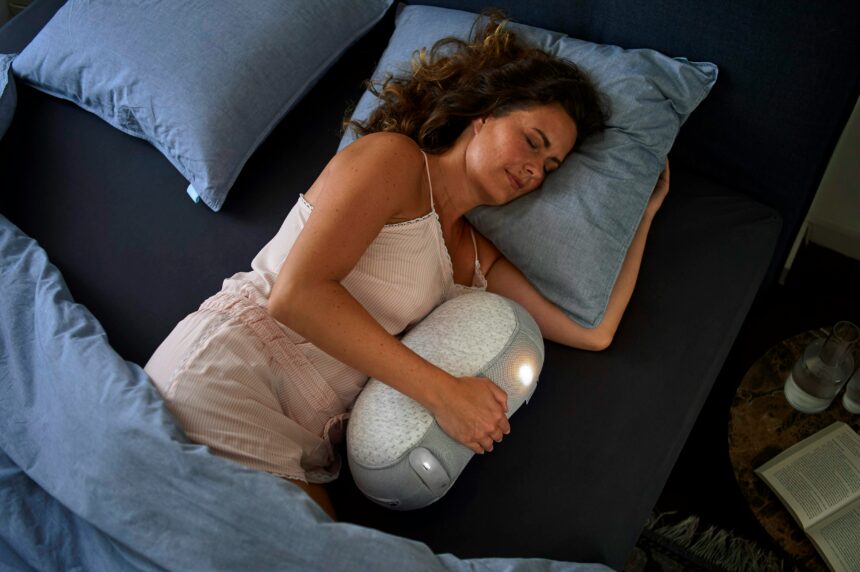
Welcome to AgingDecoded.com, your guide to understanding the fascinating world of longevity. In our journey to explore what it means to live a long, vibrant life, we often focus on nutrition, exercise, and even groundbreaking new drugs. But there’s a foundational pillar that often gets overlooked, despite its profound impact on every aspect of our health and aging: sleep.
Forget the idea that sleep is just a passive state; it’s an active, essential biological process that acts as your body’s nightly repair crew, detox team, and memory consolidator. Without sufficient, quality sleep, our bodies and brains struggle to maintain optimal function, accelerating the aging process in ways we’re only just beginning to fully appreciate. This article will delve into the science of sleep and its undeniable link to longevity, explaining key concepts in clear, beginner-friendly language, without the hype or exaggerated claims.
The Foundation of Longevity: What is Longevity Science?
Before we dive into sleep, let’s briefly define what “longevity science” entails. It’s the study of the biological processes of aging and how to extend a healthy lifespan. It’s not about achieving immortality, but about extending our “healthspan” – the period of life where we are healthy, active, and free from chronic disease.
Biological Age vs. Chronological Age: More Than Just Years
You have a chronological age – the number of years you’ve been alive. But you also have a biological age, which reflects the true age of your cells and tissues based on their functional capacity. Someone with excellent health habits might have a biological age younger than their chronological age, while someone with poor habits might have an older biological age. Longevity science aims to reduce our biological age, allowing us to live a healthier life for longer. Poor sleep, as we’ll see, significantly impacts biological age.
Healthspan vs. Lifespan: Quality Over Quantity
Lifespan is simply how long you live. Healthspan is how long you live in good health. Our goal isn’t just to add years to life, but life to years. Sleep is a critical determinant of healthspan, directly impacting our energy levels, cognitive function, immune response, and susceptibility to age-related diseases.
The Hallmarks of Aging: Where Sleep Plays a Role
Longevity scientists have identified several “hallmarks of aging” – fundamental cellular and molecular processes that contribute to aging. These include things like DNA damage, cellular senescence (when cells stop dividing but don’t die, accumulating and causing damage), mitochondrial dysfunction (our cells’ powerhouses faltering), and altered intercellular communication. Remarkably, quality sleep positively influences many of these hallmarks, while poor sleep exacerbates them. For instance, during deep sleep, the brain’s glymphatic system actively flushes out waste products, including amyloid-beta proteins linked to Alzheimer’s disease – a clear example of sleep’s direct impact on a hallmark of aging.
Recent studies have highlighted the intricate relationship between sleep quality and longevity, emphasizing that adequate rest can significantly influence overall health and lifespan. For those interested in exploring this topic further, a related article can be found at Aging Decoded, which delves into the latest discoveries in the field of aging and the vital role sleep plays in promoting a longer, healthier life.
The Science Behind Sleep and Aging
It’s not just about feeling rested; sleep is a complex physiological process with profound implications for our cellular health and the pace at which we age.
Restorative Processes During Sleep
Think of sleep as your body’s nightly maintenance and repair cycle. During sleep, your body is actively engaged in crucial tasks:
- Cellular Repair and Regeneration: Cells repair DNA damage accumulated during the day, replace old or damaged cells, and synthesize proteins essential for tissue repair and growth. Growth hormone, vital for these processes, is predominantly released during deep sleep.
- Waste Removal: Particularly in the brain, the glymphatic system becomes highly active during sleep, flushing out metabolic waste products and toxins that accumulate during wakefulness. This includes harmful proteins linked to neurodegenerative diseases.
- Immune System Fortification: Sleep is a critical time for your immune system to produce cytokines, infection-fighting antibodies, and cells. Chronic sleep deprivation weakens your immune response, making you more susceptible to infections and inflammation.
- Hormonal Regulation: Sleep plays a vital role in balancing numerous hormones, including those that regulate appetite (ghrelin and leptin), stress (cortisol), and growth (growth hormone). Disruptions can lead to weight gain, increased stress, and impaired recovery.
How Poor Sleep Accelerates Aging
Chronic sleep deprivation isn’t just about feeling tired; it triggers a cascade of detrimental effects that accelerate biological aging:
- Increased Inflammation: Lack of sleep elevates inflammatory markers in the body, which is a major contributor to age-related diseases like heart disease, diabetes, and certain cancers. Chronic inflammation is a hallmark of aging.
- Oxidative Stress: Insufficient sleep leads to an increase in harmful free radicals, causing oxidative stress that damages cells, DNA, and proteins. This damage is a key driver of aging.
- Telomere Shortening: Telomeres are protective caps at the ends of our chromosomes, and their shortening is a recognized marker of cellular aging. Studies suggest that chronic poor sleep can accelerate telomere shortening.
- Impaired Glymphatic Function: As mentioned, the brain’s waste removal system is most active during sleep. Chronic sleep deprivation hinders this process, allowing neurotoxic waste products to accumulate, potentially increasing the risk of neurodegenerative conditions like Alzheimer’s disease.
- Hormonal Imbalance: Sleep deprivation can disrupt the delicate balance of hormones like cortisol (stress hormone), insulin (blood sugar regulation), and growth hormone (repair and regeneration), leading to increased stress, insulin resistance, and impaired recovery, all of which contribute to accelerated aging.
Lifestyle Levers: Optimizing Your Sleep for Longevity
While there’s no magic pill for longevity, the good news is that we have significant control over our sleep quality. Focusing on these fundamental lifestyle levers will provide the greatest return on investment for your healthspan.
The Pillars of Sleep Hygiene
Good sleep hygiene is the bedrock of restorative sleep. These practices are simple but incredibly effective:
- Consistent Sleep Schedule: Go to bed and wake up at roughly the same time every day, even on weekends. This helps regulate your body’s natural circadian rhythm.
- Create a Relaxing Bedtime Routine: Signal to your body that it’s time to wind down. This could include a warm bath, reading a book (not on a screen!), gentle stretching, or meditation.
- Optimize Your Sleep Environment: Ensure your bedroom is dark, quiet, and cool (ideally between 60-67°F or 15-19°C). Block out light with blackout curtains, use earplugs if needed, and invest in a comfortable mattress and pillows.
- Limit Screen Time Before Bed: The blue light emitted from phones, tablets, and computers can suppress melatonin production, a hormone essential for sleep. Aim to put screens away at least an hour before bed.
- Avoid Caffeine and Heavy Meals Late in the Day: Caffeine can stay in your system for many hours. Heavy, spicy, or sugary meals close to bedtime can also interfere with digestion and sleep.
- Regular Exercise, But Not Too Close to Bedtime: Regular physical activity can significantly improve sleep quality. However, intense exercise too close to bedtime can be stimulating and make it harder to fall asleep.
The Role of Diet in Sleep Quality
What you eat can profoundly impact your sleep.
- Nutrient-Rich Foods: A diet rich in fruits, vegetables, whole grains, and lean proteins provides the essential nutrients for overall health and good sleep.
- Magnesium and Tryptophan: Foods rich in magnesium (leafy greens, nuts, seeds) and tryptophan (turkey, chicken, dairy, nuts) can promote relaxation and melatonin production.
- Limit Alcohol and Sugar: While alcohol might initially make you feel drowsy, it disrupts sleep quality later in the night. Excessive sugar intake can lead to blood sugar spikes and crashes that interfere with sleep.
Stress Management and Its Impact on Sleep
Chronic stress is a notorious enemy of good sleep. High levels of the stress hormone cortisol can keep you wired and prevent you from falling or staying asleep.
- Mindfulness and Meditation: Regular practice can help calm the nervous system and reduce anxiety, making it easier to drift off to sleep.
- Deep Breathing Exercises: Simple breathing techniques can activate the parasympathetic nervous system, promoting relaxation.
- Journaling: Writing down worries before bed can help clear your mind and prevent rumination.
Social Connection and Sleep
While not immediately obvious, social connection plays a role in regulating stress and promoting overall well-being, which in turn supports better sleep. Feeling connected and supported can reduce anxiety, a major sleep disruptor.
Emerging Research: Drugs and Supplements for Longevity and Sleep
The field of longevity science is buzzing with research into various compounds that may extend healthspan. It’s crucial to understand the difference between what’s proven in humans and what’s still in early or animal research stages. Always remember: this information is for educational purposes only and is not medical advice. Any discussion about drugs or supplements should happen with a qualified clinician.
Foundations First: Prioritize Sleep, Nutrition, Movement, and Stress Management
Before even considering supplements or drugs, it is absolutely essential to establish a strong foundation of healthy lifestyle choices. No supplement can fully compensate for poor sleep, a nutrient-deficient diet, lack of exercise, or chronic stress. These foundational elements are the most potent longevity interventions available to everyone.
Potential Longevity Interventions and Their Relationship to Sleep
Some compounds being studied for longevity may indirectly influence sleep or could be affected by sleep quality.
- Metformin: A common diabetes drug, metformin is being investigated for its potential anti-aging effects, including improving metabolic health. While not a sleep aid, better metabolic health generally supports better sleep.
- NAD+ Boosters (NR/NMN): These supplements aim to boost levels of NAD+, a coenzyme crucial for cellular energy production and DNA repair. Some early research suggests NAD+ levels can influence circadian rhythms, and sleep deprivation can impact NAD+ metabolism. However, direct human evidence for sleep improvement is limited and largely anecdotal.
- Rapamycin: An immunosuppressant drug, rapamycin is showing promise in animal studies for extending lifespan and healthspan by inhibiting the mTOR pathway, involved in cell growth and metabolism. Its direct impact on human sleep is not a primary research focus, but its broad metabolic effects could indirectly influence sleep quality.
- Fasting (Intermittent Fasting/Time-Restricted Eating): Fasting protocols are a powerful lifestyle lever being studied for their longevity benefits, including autophagy (cellular cleanup) and metabolic improvements. Fasting can influence circadian rhythms and sleep patterns; some individuals report improved sleep, while others find it disruptive, especially when starting.
- Senolytics: These are a new class of drugs designed to selectively kill senescent cells (the “zombie cells” that accumulate with age and contribute to inflammation and tissue damage). This is an exciting area of research, but senolytics are currently in very early human trials and not widely available. Their direct impact on sleep is not yet a primary area of investigation.
Important Note: The evidence for these compounds’ longevity benefits in humans is often preliminary, based on animal studies, or still undergoing rigorous clinical trials. Their use should only be considered under the guidance of a healthcare professional who can assess your individual health, potential risks, and interactions with other medications. The “DIY” approach with these substances is strongly discouraged.
Recent studies have highlighted the crucial connection between sleep and longevity, emphasizing how quality rest can significantly impact our overall health and lifespan. For those interested in exploring this topic further, a related article can be found at Aging Decoded, which delves into various strategies for preserving health as we age. Understanding the role of sleep in our longevity journey is essential for making informed lifestyle choices that promote a longer, healthier life.
When to Seek Professional Help
While this article provides guidance on optimizing your sleep, it’s crucial to recognize when a sleep issue might be more than just a bad habit.
Recognizing Sleep Disorders
If you consistently struggle with falling asleep, staying asleep, snore loudly, wake up gasping for air, or feel excessively sleepy during the day despite spending enough time in bed, you might have a sleep disorder. Common sleep disorders include:
- Insomnia: Difficulty falling or staying asleep.
- Sleep Apnea: Breathing repeatedly stops and starts during sleep.
- Restless Legs Syndrome (RLS): An irresistible urge to move the legs, often accompanied by uncomfortable sensations.
- Narcolepsy: Chronic, overwhelming daytime sleepiness.
Consulting a Healthcare Professional
If you suspect a sleep disorder or if your sleep problems are significantly impacting your quality of life, please consult your doctor. They can help diagnose the underlying issue and recommend appropriate treatments, which might include lifestyle changes, cognitive behavioral therapy for insomnia (CBT-I), or medical interventions. Addressing sleep disorders is a vital step in protecting your long-term health and well-being.
Conclusion: Sleep Your Way to a Longer, Healthier Life
In the quest for a longer, healthier life, the power of quality sleep cannot be overstated. It is not merely a luxury but a biological imperative, a fundamental pillar that supports every other aspect of our healthspan. By understanding the intricate science behind how sleep influences the hallmarks of aging and by consciously integrating healthy sleep practices into our daily lives, we are actively investing in our future selves.
Remember, the journey to longevity begins with foundational elements: prioritizing consistent, restorative sleep, nourishing our bodies with wholesome foods, engaging in regular movement, managing stress effectively, and nurturing social connections. While the exciting world of longevity drugs and supplements continues to evolve, these basic, timeless principles remain the most potent and accessible tools we have.
So, let’s reframe our relationship with sleep. View it not as time lost, but as an indispensable investment in vitality, resilience, and a truly vibrant life. Your body and your future self will thank you.
Disclaimer: This article is for educational purposes only and is not intended as medical advice. Always consult with a qualified healthcare professional before making any decisions related to your health or before starting any new treatment, supplement, or exercise regimen.
FAQs
What is the relationship between longevity and sleep?
Sleep plays a crucial role in promoting longevity. Studies have shown that individuals who consistently get an adequate amount of sleep each night tend to live longer and have a lower risk of developing chronic health conditions.
How much sleep is recommended for promoting longevity?
The National Sleep Foundation recommends that adults aim for 7-9 hours of sleep per night in order to promote overall health and longevity. However, individual sleep needs can vary, so it’s important to listen to your body and adjust your sleep schedule accordingly.
What are the potential health risks of not getting enough sleep?
Chronic sleep deprivation has been linked to a number of health risks, including an increased risk of heart disease, diabetes, obesity, and certain types of cancer. It can also negatively impact cognitive function, mood, and overall quality of life.
How does sleep quality impact longevity?
In addition to the quantity of sleep, the quality of sleep also plays a significant role in promoting longevity. Poor sleep quality, characterized by frequent awakenings, difficulty falling asleep, or not feeling rested upon waking, can have negative effects on overall health and longevity.
What are some tips for improving sleep and promoting longevity?
Some tips for improving sleep and promoting longevity include establishing a consistent sleep schedule, creating a relaxing bedtime routine, avoiding caffeine and electronic devices before bed, and creating a comfortable sleep environment. Additionally, regular exercise and a healthy diet can also contribute to better sleep and overall longevity.