
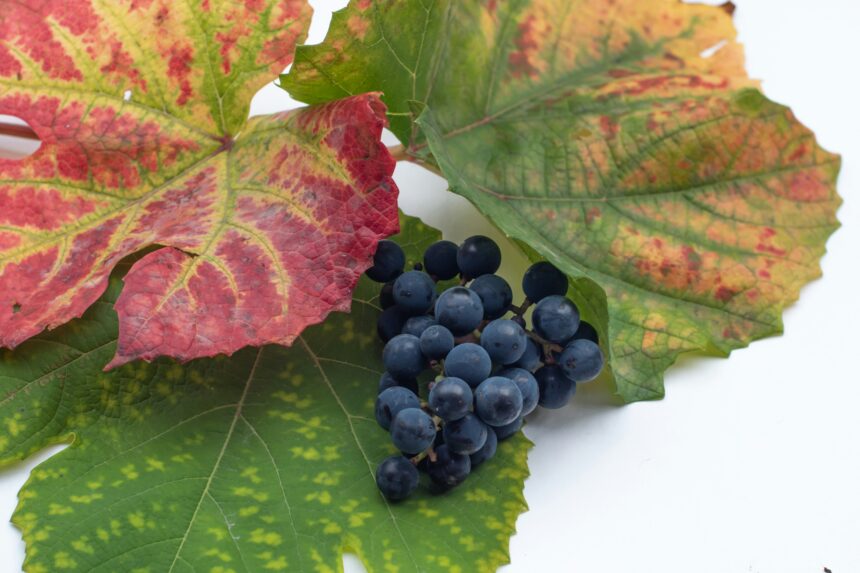
Resveratrol, a compound found in the skin of red grapes, blueberries, and even dark chocolate, has been a topic of intense interest in the world of longevity science. Often associated with the “French Paradox” – the observation that the French have relatively low rates of heart disease despite a diet high in saturated fats – resveratrol has garnered attention for its potential to unlock some of the secrets to a longer, healthier life. But what exactly is resveratrol, how might it work, and what does the science truly tell us about its longevity benefits?
Understanding the Landscape of Longevity Science
Before we dive into resveratrol specifically, it’s crucial to understand the broader context of longevity science. This field isn’t about magical “immortality pills” but rather about extending our “healthspan” – the period of our lives spent in good health, free from chronic diseases and functional decline.
Biological vs. Chronological Age
While your chronological age is simply the number of years you’ve been alive, your biological age reflects the actual health and functionality of your cells, tissues, and organs. Think of it this way: two people can be 50 years old chronologically, but one might have the biological markers of a 40-year-old, while the other might present as a 60-year-old. Longevity science aims to reduce this biological age, allowing us to stay younger at a cellular level.
Healthspan vs. Lifespan
Lifespan is straightforward: how long you live. Healthspan, however, is about the quality of those years. Imagine living to 100 but spending the last 30 years with debilitating illness. That’s a long lifespan but a short healthspan. The goal of longevity research is to maximize healthspan, ensuring that our later years are vibrant and full of activity.
The Hallmarks of Aging
Scientists have identified several “hallmarks of aging” – fundamental cellular and molecular processes that contribute to aging. These include:
- Genomic Instability: Damage to our DNA over time.
- Telomere Attrition: The protective caps at the ends of our chromosomes shorten with each cell division.
- Epigenetic Alterations: Changes in gene expression without altering the DNA sequence itself.
- Loss of Proteostasis: The inability of cells to maintain proper protein folding and degradation.
- Deregulated Nutrient Sensing: Cells’ ability to correctly interpret nutrient availability becomes impaired.
- Mitochondrial Dysfunction: Our cells’ powerhouses become less efficient.
- Cellular Senescence: “Zombie cells” that stop dividing but remain in the body, secreting inflammatory compounds.
- Stem Cell Exhaustion: Our ability to repair and regenerate tissues declines.
- Altered Intercellular Communication: Cells struggle to communicate effectively.
Understanding these hallmarks helps researchers target specific pathways to slow down or even reverse aspects of aging.
Recent studies have highlighted the potential longevity benefits of resveratrol, a compound found in red wine and certain berries, which may promote healthy aging by activating cellular repair processes. For those interested in how diet can influence overall health and longevity, a related article discusses the impact of regular fermented foods on gut health, which is increasingly recognized as a crucial factor in aging well. You can read more about this fascinating connection in the article here: The Impact of Regular Fermented Foods on Gut Health.
Resveratrol: A Molecular Spotlight
Resveratrol is a type of natural phenol and a phytoalexin, a compound produced by plants to protect themselves from stress, such as fungal infections, insect attacks, or ultraviolet radiation. Its discovery as a potential health-promoting agent dates back to the 1990s, with a surge in interest following early animal studies suggesting remarkable anti-aging effects.
What Exactly is Resveratrol?
Resveratrol exists in two forms: cis- and trans-resveratrol. Trans-resveratrol is the more stable and biologically active form and is the one typically studied and included in supplements. It’s most famously found in red wine due to its presence in grape skins, but also in peanuts, pistachios, blueberries, cranberries, and even Japanese knotweed (a common source for supplements).
Its Proposed Mechanisms of Action
Resveratrol is believed to exert its effects through multiple pathways, often interacting with several hallmarks of aging simultaneously.
Activating Sirtuins (SIRT1)
One of the most exciting proposed mechanisms is resveratrol’s ability to activate sirtuins, particularly SIRT1. Sirtuins are a family of protein deacetylases that play crucial roles in cellular regulation, DNA repair, metabolism, and inflammation. Often called “longevity genes,” they are highly conserved across species, meaning they are found in everything from yeast to humans.
- Impact on Metabolism: SIRT1 activation can mimic the effects of caloric restriction, a well-established method for extending lifespan in many organisms. It influences glucose metabolism, fat storage, and mitochondrial function.
- DNA Repair and Stability: By activating SIRT1, resveratrol may enhance DNA repair mechanisms, counteracting genomic instability, one of the key hallmarks of aging.
- Inflammation Reduction: Sirtuins can modulate inflammatory pathways, potentially reducing chronic low-grade inflammation, which is a major driver of age-related diseases.
Antioxidant and Anti-inflammatory Properties
Resveratrol is a potent antioxidant, meaning it can neutralize harmful free radicals that cause oxidative stress and cellular damage. Oxidative stress is implicated in numerous age-related conditions, including cardiovascular disease, neurodegeneration, and cancer. Beyond its direct antioxidant activity, resveratrol can also upregulate the body’s own antioxidant defense systems. Its anti-inflammatory effects are also significant, helping to dampen chronic inflammation that contributes to various age-related diseases.
Mitochondrial Biogenesis and Function
Mitochondria are the “powerhouses” of our cells, responsible for generating energy. Mitochondrial dysfunction is a hallmark of aging. Resveratrol has been shown to promote mitochondrial biogenesis (the creation of new mitochondria) and improve mitochondrial function, leading to more efficient energy production and reduced oxidative stress within the cell. This can help combat fatigue and improve cellular resilience.
Modulation of Nutrient Sensing Pathways
Beyond sirtuins, resveratrol also interacts with other nutrient-sensing pathways, such as the AMP-activated protein kinase (AMPK) and mTOR pathways. These pathways regulate cellular growth, metabolism, and stress responses. By subtly nudging these pathways, resveratrol may help cells maintain a youthful metabolic state, improving insulin sensitivity and potentially protecting against metabolic disorders.
The Science: What’s Proven in Humans vs. Early Research
This is where it’s crucial to distinguish between promising early findings and established human benefits. While the mechanistic studies in labs and animal models are exciting, translating those findings directly to humans is complex.
Animal and In Vitro Studies
In numerous organisms, from yeast and worms to fruit flies and mice, resveratrol has shown remarkable effects:
- Extended Lifespan: Several studies have demonstrated that resveratrol can extend the lifespan of these organisms, often by mimicking the effects of caloric restriction.
- Improved Health Markers: In mice, resveratrol has been shown to improve insulin sensitivity, protect against diet-induced obesity, enhance endurance, and protect against neurodegenerative diseases.
- Reduced Disease Burden: Animal models show reduced incidence and severity of various age-related pathologies, including cardiovascular disease, cancer, and metabolic syndrome.
These animal studies are the foundation of interest in resveratrol, offering tantalizing hints of its potential. However, mice are not tiny humans, and the doses used in animal studies are often significantly higher than what humans typically consume or absorb from supplements.
Human Research: A More Nuanced Picture
Human studies on resveratrol are more challenging to conduct and interpret, and the results are less dramatic than in animal models.
Cardiovascular Health
This is perhaps the most promising area for human research. Studies suggest that resveratrol may:
- Improve Endothelial Function: The inner lining of blood vessels (endothelium) plays a crucial role in cardiovascular health. Resveratrol has been shown to improve its function, leading to better blood flow and reduced risk of atherosclerosis.
- Lower Blood Pressure: Some studies indicate a modest reduction in blood pressure, particularly in individuals with hypertension.
- Improve Lipid Profiles: Resveratrol may positively influence cholesterol levels, though results are inconsistent across studies.
- Reduce Oxidative Stress and Inflammation: Consistent with its mechanistic actions, human trials have shown reductions in markers of oxidative stress and inflammation in individuals supplementing with resveratrol.
Metabolic Health
In individuals with metabolic syndrome or type 2 diabetes, resveratrol has shown some positive effects:
- Improved Insulin Sensitivity: Several studies report that resveratrol can enhance insulin sensitivity, helping the body use glucose more effectively.
- Reduced Blood Glucose Levels: Modest reductions in fasting blood glucose have been observed in some diabetic populations.
Cognitive Function
Early research hints at neuroprotective effects:
- Improved Cerebral Blood Flow: Some studies have shown that resveratrol can increase blood flow to the brain, which is vital for cognitive function.
- Potential Neuroprotection: While direct evidence of improved cognition in healthy humans is limited, its antioxidant and anti-inflammatory properties, coupled with effects on mitochondrial function, suggest a potential role in protecting against age-related cognitive decline and neurodegenerative diseases. This area requires much more research.
Cancer Prevention
While animal studies show promising anti-cancer effects, human data is still very preliminary and largely observational. Resveratrol has demonstrated anti-proliferative, pro-apoptotic, and anti-angiogenic effects in various cancer cell lines. However, direct evidence of cancer prevention or treatment in humans from resveratrol supplementation is lacking. It’s a field of active research, but far from a proven therapy.
Lifespan Extension in Humans?
This is the biggest question mark. There is currently no direct evidence that resveratrol supplementation extends human lifespan. While it improves various health markers associated with aging, translating that to increased longevity requires long-term, large-scale studies that are incredibly difficult to perform. The improvements in healthspan markers are what scientists are focusing on, hoping that better cardiovascular, metabolic, and cognitive health will naturally lead to a longer, healthier life.
Foundations First: The Pillars of Longevity
Before considering any supplements, including resveratrol, it’s imperative to establish a strong foundation of healthy living. These lifestyle levers have profound and scientifically proven impacts on your healthspan and lifespan.
Sleep
Adequate, high-quality sleep is non-negotiable for longevity. It’s during sleep that our bodies repair cells, consolidate memories, regulate hormones, and clear waste products from the brain. Chronic sleep deprivation accelerates biological aging, increases inflammation, impairs cognitive function, and raises the risk of numerous chronic diseases. Aim for 7-9 hours of uninterrupted sleep per night.
Nutrition
A nutrient-dense, whole-food diet is paramount. Focus on:
- Plant-rich foods: Fruits, vegetables, legumes, whole grains, nuts, and seeds provide essential vitamins, minerals, fiber, and antioxidants.
- Lean proteins: Support muscle maintenance and repair.
- Healthy fats: Omega-3 fatty acids, monounsaturated fats (like olive oil) support brain and cardiovascular health.
- Minimize ultra-processed foods, added sugars, and excessive saturated/trans fats.
Consider dietary patterns like the Mediterranean diet, which are consistently linked to longer, healthier lives. Fasting, in various forms (intermittent fasting, time-restricted eating), is another nutritional lever that has shown promise in promoting cellular repair and metabolic health, mimicking some of the effects of caloric restriction.
Movement
Regular physical activity is one of the most powerful anti-aging interventions. It improves cardiovascular health, strengthens muscles and bones, enhances cognitive function, reduces inflammation, and improves mood. A combination of:
- Aerobic exercise: For cardiovascular fitness (walking, running, swimming, cycling).
- Strength training: For muscle mass and bone density.
- Flexibility and balance exercises: For mobility and fall prevention.
Aim for at least 150 minutes of moderate-intensity aerobic activity or 75 minutes of vigorous-intensity activity per week, plus two days of strength training.
Stress Management
Chronic stress is a silent killer, accelerating aging at a cellular level. It elevates cortisol, leading to inflammation, impaired immune function, and telomere shortening. Incorporate stress-reducing practices into your daily routine:
- Mindfulness and meditation
- Deep breathing exercises
- Yoga or Tai Chi
- Spending time in nature
- Hobbies and creative outlets
Social Connection
Strong social ties are consistently linked to greater longevity and well-being. Loneliness and social isolation are as detrimental to health as smoking or obesity. Nurture relationships with family and friends, engage in community activities, and seek out opportunities for meaningful connection.
Recent studies have highlighted the potential longevity benefits of resveratrol, a compound found in red wine and certain berries, which may contribute to healthier aging. For those interested in exploring this topic further, an insightful article can be found at Aging Decoded, where researchers discuss the mechanisms through which resveratrol may promote cellular health and longevity. This growing body of evidence suggests that incorporating resveratrol-rich foods into our diets could be a promising strategy for enhancing lifespan and overall well-being.
Resveratrol as an Option: Considerations and Cautions
Once the foundational elements are in place, supplements like resveratrol can be considered as potential adjunctive tools, but never as substitutes for a healthy lifestyle.
Dosage and Bioavailability
One of the challenges with resveratrol is its relatively low bioavailability, meaning much of it is metabolized before it can be fully absorbed and utilized by the body. This is why many supplements use micronized forms or include piperine (from black pepper) to enhance absorption. Dosages used in human studies vary widely, from tens of milligrams to several grams per day. The optimal human dose for specific longevity benefits is not yet established.
Potential Side Effects and Interactions
Resveratrol is generally considered safe at commonly recommended dosages. However, some individuals may experience:
- Mild gastrointestinal upset: Diarrhea, stomach pain.
- Bleeding risk: At very high doses, resveratrol may have anti-platelet effects, potentially increasing the risk of bleeding, especially if combined with blood-thinning medications like warfarin or aspirin.
- Drug interactions: It may interact with drugs metabolized by certain liver enzymes (CYP450), potentially altering their effectiveness.
It is absolutely critical to discuss any supplement, including resveratrol, with a qualified clinician, especially if you have underlying health conditions or are taking other medications.
Comparing to Other Longevity Modulators
Resveratrol is part of a broader category of compounds being investigated for their longevity potential. Others include:
- Metformin: A diabetes drug showing promise in anti-aging research, particularly for metabolic health.
- NAD+ Boosters (NR and NMN): Precursors to NAD+, a coenzyme crucial for energy metabolism and DNA repair, which declines with age.
- Rapamycin: An immunosuppressant drug with powerful anti-aging effects in animal models, primarily by inhibiting the mTOR pathway.
- Senolytics: Compounds designed to selectively kill senescent “zombie” cells.
Each of these has different mechanisms, levels of evidence, and safety profiles. Resveratrol is often seen as a less potent activator of pathways like SIRT1 compared to some other experimental compounds, but also generally has a more favorable safety profile at moderate doses.
Conclusion: A Promising but Evolving Story
Resveratrol remains a fascinating molecule in the field of longevity science. Its potential to positively influence multiple hallmarks of aging – through sirtuin activation, antioxidant effects, and metabolic modulation – is well-supported by extensive preclinical research. In humans, the evidence is most compelling for improvements in cardiovascular and metabolic health markers, with promising but less conclusive data for cognitive function and no direct proof of lifespan extension.
It is crucial to remember that scientific understanding is constantly evolving. While resveratrol offers an intriguing avenue for research, it is not a magic bullet. For anyone considering resveratrol supplementation, the message is clear: prioritize the foundational pillars of health – sleep, nutrition, movement, stress management, and social connection. These are the most powerful, scientifically proven levers for extending your healthspan.
If, after establishing these foundations, you are still curious about resveratrol or other potential longevity compounds, engage in an informed discussion with a qualified clinician. They can help you weigh the potential benefits against the risks, consider your individual health profile, and determine if such supplementation might be appropriate for you. This article is intended for educational purposes only and does not constitute medical advice. Always consult with a healthcare professional before making any decisions about your health or treatment.
FAQs
What is resveratrol?
Resveratrol is a natural compound found in certain plants, fruits, and red wine. It is classified as a polyphenol, which is a type of antioxidant.
What are the potential longevity benefits of resveratrol?
Research suggests that resveratrol may have potential longevity benefits, including anti-inflammatory and antioxidant properties that could help protect the body against age-related diseases.
How does resveratrol work in the body?
Resveratrol is believed to activate certain genes that promote longevity and enhance cellular function. It also has been shown to have anti-inflammatory and antioxidant effects, which may contribute to its potential health benefits.
What are some natural sources of resveratrol?
Resveratrol can be found in foods such as red grapes, blueberries, cranberries, and peanuts. It is also present in red wine, although in much smaller amounts.
Are there any potential risks or side effects associated with resveratrol supplementation?
While resveratrol is generally considered safe when consumed in small to moderate amounts from food sources, high doses from supplements may have potential risks and side effects, including digestive issues and interactions with certain medications. It is important to consult with a healthcare professional before starting any new supplement regimen.