


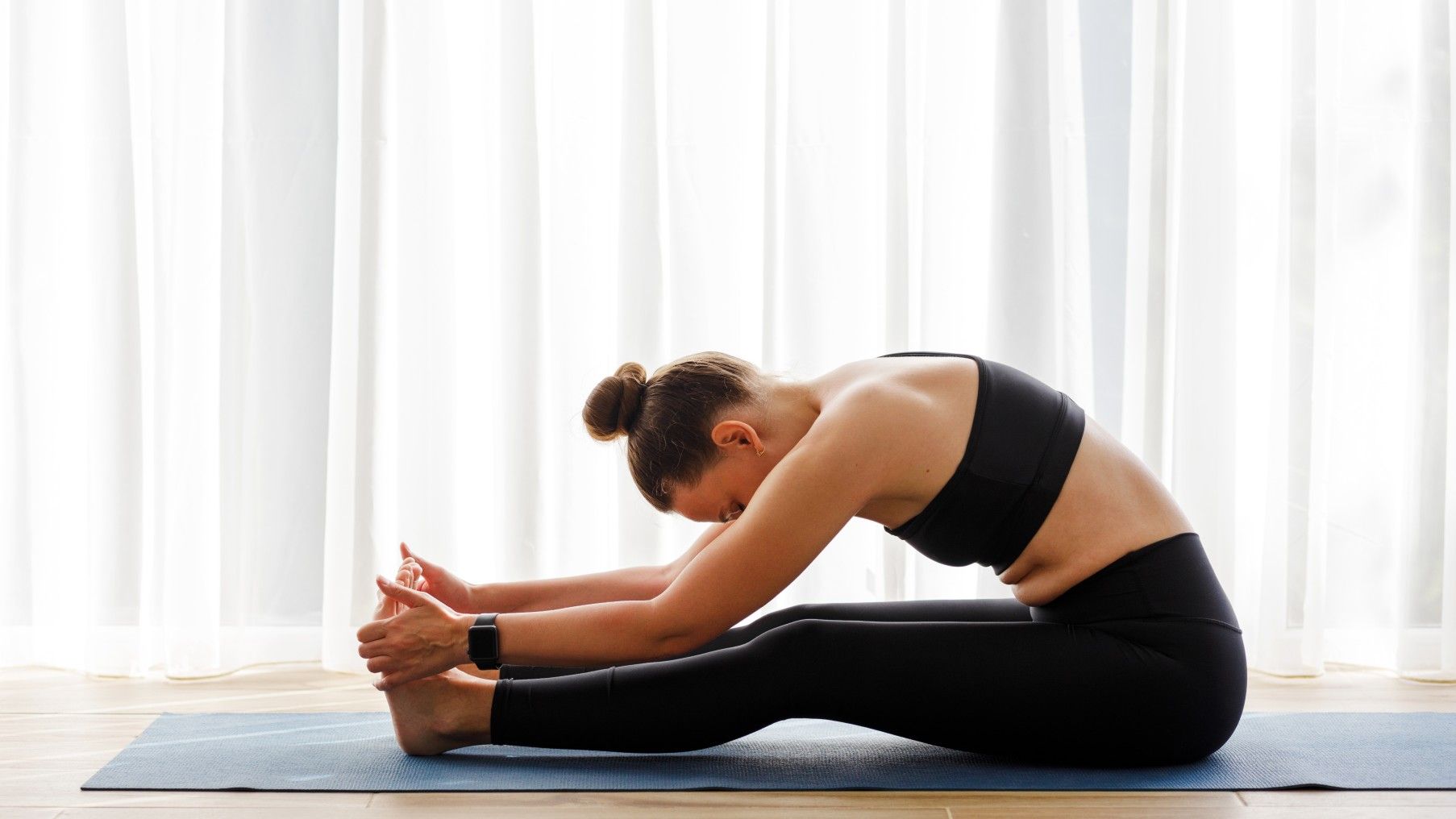
Rediscovering My Core: The Power of Classical Pilates
For over five years, I’ve been committed to working out regularly, always prioritizing core exercises in my regimen. Initially, I was driven by the desire for that elusive six-pack. But as I delved deeper into fitness, I discovered the functional benefits of a strong core—improved posture and reduced back pain—that made my motivation for core workouts even stronger.
In recent years, my go-to routines included classic moves like sit-ups, crunches, and planks. Each session left me feeling that familiar burn, leading me to believe I had decent strength in that area. However, everything changed when I stepped into a classical Pilates class. I quickly realized that my core muscles were not as robust as I’d imagined; just minutes into the session, my body began to tremble. This new challenge forced me to engage my muscles with control while navigating through movements.
The Transformation Begins
Since experiencing classical Pilates, those exercises have become integral to my core workouts. My strength has skyrocketed—it feels like a revelation.
You may like
What is Classical Pilates?
If you haven’t heard of Pilates yet—where have you been? It’s one of today’s hottest workout trends—a low-impact approach consisting of bodyweight movements aimed at building strength and enhancing mobility, coordination, and balance. You might also come across machines such as the reformer or the chair within Pilates classes.
However, not all Pilates classes adhere strictly to its classical form. “Classical is distinct because it’s the original format,” explains Sophie Hatton, a certified instructor and owner of Pilates Works studio.
The method traces back to Joseph Pilates in the early 20th century. He initially designed it for injury rehabilitation before coining it ‘contrology’. The classical approach sticks closely to his original principles established over a century ago.
“In classical Pilates,” Hatton emphasizes, “we always follow a set sequence.” In fact, only 34 foundational movements are recognized under this method—showing how many contemporary routines might borrow from rather than embody true Pilates principles.
You may like
The Heart of Classical Workouts
The beauty of classical Pilates lies in its emphasis on deliberate movements executed with control—aptly reflecting its original name ‘contrology.’ “With this style,” Hatton points out, “you’ll definitely feel heat radiating from your body without pouring sweat.” It diverges from conventional workout metrics; this isn’t about counting calories burned but rather forging a deep connection with your own physique.
Why is Pilates Exceptional for Building Core Strength?
This method targets all facets of the core—not just those coveted abs commonly associated with fitness culture. “We engage deep abdominal layers while strengthening our backs—all through controlled motions,” says Hatton.
I experienced noticeable shifts in how I engaged my core during these sessions compared to traditional ab-focused workouts. Moving slowly through defined ranges compelled me to utilize my muscles differently than before; no longer was it about forcefully lifting myself into a sit-up but embracing smaller yet more profound movements instead.
Essential Classical Moves That Changed My Core Game
I’ve discovered three pivotal classical moves that have dramatically enhanced my core engagement over the past few months—they’ve become staples at the outset of each workout and significantly bolstered both strength and awareness within this central area:
1. Roll-Up
This exercise kick-starts my routine by activating my core effectively—and according to Hatton—it engages your whole body too! “The roll-up connects everything: stretching hamstrings while articulating your spine,” she shares.
If you’re new here, try beginning with a half roll-up—keeping feet planted offers grounding support while getting accustomed to movement!
How to do it:
- Lie flat on your back with legs extended and arms reaching overhead.
- Breathe in deeply; exhale as you gradually peel your spine off the mat one vertebra at a time towards your legs.
- After pausing briefly at peak elevation take another breath before rolling back down slowly and mindfully articulating each vertebra again onto the mat!
2. Rolling Like A Ball
This gem has become one of my favorite go-tos not just for engaging those critical muscle groups but also providing delightful relief along spinal tension! After knocking out several reps—you can really feel relief taking hold.”
“Remember,” advises Hatton “to initiate movement purely from those deep abdominal layers—not by hurling yourself backward!”
- Sit upright on floor knees extended forward whilst lifting feet slightly off ground grasping shins gently holding shape tight throughout!
- Breathe in rolling backward onto shoulder blades keeping chin tucked protecting neck alignment throughout motion!
- Breathe out returning forward balancing at start position without letting feet touch ground!
3 . Saw
I find tremendous value warming up legs utilizing saw! Not only does it enhance overall flexibility—but according Joseph himself—it’s among must-do daily exercises safeguarding our spines !” p >“Saw became an essential staple Joseph advocated ensuring longevity!” -Sophie H.
blockquote >
How To Do It :Sit tall extending legs wider than hips alongside arms stretched sideways ! Breathe In rotating torso toward left leg reaching right arm across foot ! Breathe Out sawing past little toe three times then inhaling bringing up straight followed by repeating opposite side again. ul >
More From Tom’s Guide
Today’s Best Oura Ring Deals

Follow us using Google News so you don’t miss anything we share regarding health tips or insightful analysis updates . Don’t forget click Follow button now too! p > Written for Aging Decoded – The Future of Health News One Story At A Time.