


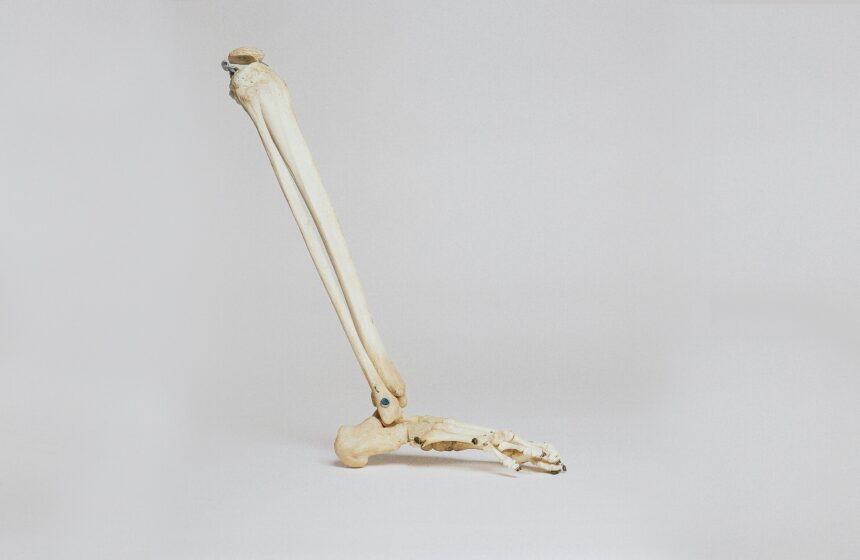
Welcome to Aging Decoded, where we explore how to live your longest, healthiest life! Today, we’re diving into a topic crucial for a vibrant midlife and beyond: the incredible power of exercise, not just for looking good, but for building a resilient body that resists the common challenges of aging. Think of this as your guide to proactively investing in your healthspan – the years you spend living actively and independently – by strengthening your bones from the inside out, while also safeguarding your heart, mind, and overall vitality.
We often hear about exercise for weight loss or muscle gain, but its role in maintaining strong, dense bones is often overlooked. As we age, our bones naturally tend to lose some of their mineral density, becoming more porous and fragile. This process, known as osteoporosis, can lead to debilitating fractures from simple falls, impacting independence and quality of life. The good news? You have a powerful tool at your disposal to combat this decline: regular, thoughtful movement.
This isn’t about becoming an Olympic athlete overnight. It’s about understanding how different types of exercise work together to create a powerful shield against age-related decline. We’ll explore how strength training, targeted cardio (especially that sweet spot known as Zone 2), consistent daily movement, and dedicated work on balance and mobility all contribute to robust bone health, and by extension, a significantly reduced risk of heart disease, dementia, cancer, and the dreaded frailty that can creep up on us in later years.
We’ll use simple language, steer clear of hype, and focus on practical, sustainable strategies. Our goal is to empower you with the knowledge and encouragement to embrace a lifestyle that supports not just a longer life, but a better life – full of energy, independence, and joy.
The Unsung Heroes: How Exercise Strengthens Your Bones
Our bones are living tissues, constantly remodeling themselves throughout our lives. This process involves old bone being broken down and new bone being formed. When we’re young, new bone formation outpaces breakdown. As we age, especially after 40, this balance shifts, and breakdown can start to exceed formation, leading to a gradual loss of bone density. This is where exercise steps in as a game-changer.
When you engage in certain types of physical activity, you put stress on your bones. This stress signals to your body that these bones need to be stronger to handle the demands placed upon them. In response, your body lays down new bone tissue, increasing density and making them more resilient. Think of it like building muscle – the more you challenge them, the stronger they become.
Understanding Bone Remodeling
This intricate dance of bone breakdown (resorption) and bone building (formation) is crucial. Exercise, particularly weight-bearing and resistance activities, acts as a potent stimulus for osteoblasts – the bone-building cells. They respond to mechanical stress by depositing new mineral crystals, making your bones denser and less prone to fracture. It’s a beautiful example of your body adapting and thriving in response to appropriate challenge.
Beyond Just Bones: A Holistic Benefit
While our primary focus is bone density, it’s vital to remember that the exercises we discuss offer a cascade of benefits that profoundly impact your overall healthspan. Stronger bones mean less risk of falls, but better balance and muscle strength also contribute to that. A healthier cardiovascular system nourishes all tissues, including bones. A more active brain enjoys better blood flow, reducing dementia risk. It’s an interconnected web of well-being.
Regular exercise is essential for maintaining bone density, particularly as we age. Engaging in weight-bearing activities, such as walking, running, or resistance training, can significantly enhance bone strength and reduce the risk of osteoporosis. For further insights on the importance of screenings and maintaining bone health, you can read more in this related article: Screenings and Bone Health.
Strength Training: Your Foundation for Bone Power
When it comes to boosting bone density, strength training (also known as resistance training) is arguably the most effective form of exercise. It involves working your muscles against a form of resistance, whether that’s your own body weight, resistance bands, free weights, or weight machines. The pulling and pushing actions of your muscles on your bones create the necessary stress to stimulate bone growth.
Why Strength Training is Key
Think of your muscles and bones as a team. When your muscles contract during strength training, they pull on the tendons attached to your bones. This pulling action creates micro-stress, which is precisely what triggers your bones to become denser and stronger. This is particularly important in areas prone to fractures, such as the hips, spine, and wrists. Regular strength training can help preserve existing bone density and even build new bone tissue, significantly reducing your risk of osteoporosis and related fractures.
Practical Approaches to Strength Training
You don’t need to live in a gym to reap the benefits. Start small, focus on proper form, and gradually increase the intensity or resistance.
- Bodyweight Exercises: Push-ups (even against a wall), squats, lunges, planks, and glute bridges are excellent starting points. They use your own body weight as resistance and can be done anywhere.
- Resistance Bands: These versatile and affordable tools add resistance to many exercises, making them more challenging and effective for bone building.
- Free Weights (Dumbbells/Kettlebells): As you get stronger, incorporate light dumbbells for exercises like bicep curls, overhead presses, and deadlifts (start with very light weights and focus on form!).
- Weight Machines: Gym machines can be great for beginners as they often guide your movement, helping to ensure proper form and isolate muscle groups.
Aim for 2-3 strength training sessions per week, allowing a day of rest in between for muscle recovery and growth. For each exercise, try for 2-3 sets of 8-12 repetitions. Remember, consistency is far more important than intensity when you’re just starting out.
Cardio for a Robust Heart and Bone Health
While strength training directly stimulates bone growth, cardiovascular exercise plays a vital supporting role in overall bone health, and is absolutely critical for a healthy heart and mind. Cardio, or aerobic exercise, gets your heart rate up, improving blood circulation, delivering essential nutrients to your bones, and enhancing your body’s ability to use oxygen efficiently.
The Magic of Zone 2 Cardio
For longevity and overall health, particularly cardiovascular health, paying attention to “Zone 2” cardio is incredibly beneficial. This refers to exercising at an intensity where you can still hold a conversation, but it feels somewhat challenging. You’re not gasping for breath, but you’re definitely working.
- What is Zone 2? Roughly 60-70% of your maximum heart rate. You should be able to speak in full sentences, but not comfortably sing. It’s often described as a “conversational pace.”
- Why is it so beneficial? Zone 2 training primarily uses fat for fuel, which improves metabolic health, insulin sensitivity, and mitochondrial function – the powerhouses of your cells. This translates to more energy, better disease resistance, and a healthier heart. It also helps reduce chronic inflammation, a known contributor to many age-related diseases.
- Examples: Brisk walking, light jogging, cycling, swimming, hiking, dancing – anything that gets your heart rate up steadily for an extended period without pushing you to your absolute limit.
Aim for 150-300 minutes of moderate-intensity (including Zone 2) cardio per week, broken down into sessions of 30 minutes or more. This commitment is a powerful defense against heart disease, helps manage blood pressure and cholesterol, and contributes to better blood flow throughout your body, nourishing your bones and brain.
Weight-Bearing Cardio for Extra Bone Boost
While all cardio is good for your heart, weight-bearing cardio adds a direct bone-strengthening benefit. Activities like brisk walking, jogging, hiking, dancing, and stair climbing put stress on your bones, stimulating them to become stronger. Swimming and cycling are excellent for cardiovascular health, but because they are non-weight-bearing, they don’t offer the same direct bone-building benefits. It’s ideal to include a mix!
The Power of Daily Movement: Not Just for Steps
We often compartmentalize exercise into dedicated gym sessions, but the truth is, every little bit of movement throughout your day contributes significantly to your overall health and bone density. Our bodies are designed to move, not sit for hours on end. Incorporating more low-impact daily movement is a simple yet profoundly effective strategy for longevity.
Breaking Up Sedentary Time
Prolonged sitting has been linked to a host of health problems, including increased risk of heart disease, type 2 diabetes, and even some cancers. It also does your bones no favors. Regularly breaking up periods of sitting can make a big difference.
- Stand Up and Stretch: Every 30-60 minutes, stand up, walk around for a few minutes, stretch, or do a few squats. Use a timer to remind yourself.
- Take the Stairs: Whenever possible, opt for stairs instead of elevators or escalators. It’s a great low-impact, weight-bearing exercise.
- Park Further Away: A simple way to add more steps to your day.
- Active Chores: Gardening, cleaning, and yard work are fantastic ways to incorporate movement into your routine.
- Walk and Talk: If you have phone calls, try to take them while walking.
These small, consistent movements keep your blood flowing, gently load your bones, maintain flexibility, and burn extra calories, all contributing to a healthier, more resilient body.
The “Movement Snack” Philosophy
Think of movement snacks as short bursts of activity strategically placed throughout your day. A 5-minute walk, a few minutes of gentle stretching, or even just standing while you work can add up. These small investments accumulate over time, much like saving pennies, leading to significant health dividends. This approach makes exercise feel less daunting and more integrated into your life.
Regular exercise plays a crucial role in maintaining and improving bone density, which is essential for overall skeletal health. Engaging in weight-bearing activities can stimulate bone formation and help prevent conditions such as osteoporosis. For more insights on how exercise impacts bone health, you can explore this informative article on the topic. It provides valuable information on the types of exercises that are most beneficial for enhancing bone density. To read more, visit this article.
Balance and Mobility: Your Anti-Fall and Anti-Frailty Shield
As we age, falls become a significant concern, often leading to fractures (especially hip fractures) and a dramatic decline in independence. Improving your balance and mobility isn’t just about preventing falls; it’s about maintaining agility, confidence, and the ability to move freely and without pain – all essential components of a robust healthspan.
Why Balance is Paramount
A strong core and good balance are foundational for preventing falls. As bone density declines, the risk of fracture from a fall increases exponentially. Improving your balance means you’re less likely to fall in the first place, thus protecting your bones.
- Simple Balance Exercises:
- Standing on One Leg: Start by holding onto a counter or chair, then gradually try it freestanding. Hold for 30 seconds on each leg.
- Heel-to-Toe Walk: Walk in a straight line, placing the heel of one foot directly in front of the toes of the other.
- Tai Chi or Yoga: These practices are excellent for improving balance, flexibility, and strength in a gentle, mindful way.
The Freedom of Mobility
Mobility refers to the range of motion in your joints and the ability of your muscles to stretch and contract effectively. Good mobility helps you perform daily tasks with ease, reduces stiffness and pain, and supports your strength and balance efforts.
- Dynamic Stretching: Before exercise, gentle movements like arm circles, leg swings, and torso twists warm up your muscles and improve joint range of motion.
- Static Stretching: After exercise, hold stretches for 20-30 seconds to improve flexibility. Focus on major muscle groups.
- Foam Rolling: Can help release muscle tightness and improve tissue mobility.
- Targeted Joint Mobility Drills: Simple movements like shoulder rolls, wrist circles, and hip rotations help maintain fluid joints.
Incorporating balance and mobility work into your routine 2-3 times a week, and even daily with short stretches, can dramatically improve your quality of life, reduce pain, and significantly lower your risk of falls and frailty.
Your Action Plan: Beginner-Friendly Steps for Midlife and Beyond
Embarking on a new fitness journey can feel overwhelming, but remember, the goal is sustainable progress, not perfection. Here are 3-5 realistic, beginner-friendly steps to help you start boosting your bone density, protecting your heart and brain, and enhancing your overall healthspan:
- Start with Daily Walks (and Add a Twist!): Aim for at least 30 minutes of brisk walking most days of the week. This is your cornerstone Zone 2 cardio. To make it weight-bearing and add a bone-boosting challenge, incorporate short bursts of stair climbing, walk up hills, or even dance to your favorite music for a few minutes during your walk. If 30 minutes feels like too much, break it into three 10-minute segments.
- Two Strength Sessions a Week: Commit to two 20-30 minute strength training sessions per week, with at least one day off in between. Focus on bodyweight exercises initially:
- Lower Body: 2-3 sets of 8-12 squats (use a chair for support if needed) and 2-3 sets of 8-12 glute bridges.
- Upper Body: 2-3 sets of 8-12 wall push-ups (or incline push-ups on a sturdy surface) and 2-3 sets of 8-12 resistance band rows (anchor a band to a door and pull).
- Core: 2-3 sets of 20-30 second planks (on your knees if needed).
- Progression Tip: Once these feel easy, gradually increase reps, sets, or introduce light dumbbells or resistance bands.
- Integrate Movement Snacks Throughout Your Day: Don’t let yourself sit for more than an hour at a time. Set a timer! Every 45-60 minutes, stand up, walk around for 2-5 minutes, do 10-15 chair squats, or perform some gentle stretches. This combats the negative effects of prolonged sitting and keeps your body gently loaded.
- Dedicate 10 Minutes to Balance and Mobility (3x/week): Twice or thrice a week, set aside 10 minutes for focused balance and mobility work. This could be:
- Holding onto a counter and practicing standing on one leg (aim for 30 seconds per leg).
- Slow, controlled leg swings (forward/back and side-to-side) to improve hip mobility.
- Gentle shoulder rolls and arm circles to maintain upper body mobility.
- Heel-to-toe walking across a room.
- Bonus: Explore beginner-friendly Tai Chi or Yoga videos online!
- Prioritize Recovery and Listen to Your Body: Exercise is crucial, but so is rest. Ensure you’re getting adequate sleep (7-9 hours) to allow your body to repair and rebuild. Pay attention to any aches or pains; don’t push through sharp pain. Modify exercises or take an extra rest day when needed. Hydrate well throughout the day.
Remember, this is a journey, not a race. Small, consistent efforts compound over time, leading to remarkable improvements in your bone density, cardiovascular health, cognitive function, and overall vitality. Embrace these changes with patience and kindness towards yourself, and enjoy the profound benefits of building a stronger, more resilient you – ready to savor every moment of your wonderfully long, healthy life.
FAQs
What is bone density?
Bone density refers to the amount of mineral content in bone tissue. It is an important indicator of bone strength and overall bone health.
How does exercise affect bone density?
Weight-bearing and resistance exercises can help increase bone density by stimulating the bones to build more mass. This can help prevent osteoporosis and reduce the risk of fractures.
What types of exercises are beneficial for bone density?
Weight-bearing exercises such as walking, jogging, dancing, and hiking, as well as resistance exercises like weightlifting and bodyweight exercises, are beneficial for improving bone density.
How often should I exercise to improve bone density?
The National Osteoporosis Foundation recommends at least 30 minutes of weight-bearing or resistance exercises on most days of the week to improve bone density.
Are there any exercises that should be avoided for bone density?
Exercises that involve high-impact and repetitive movements, such as long-distance running or jumping, may increase the risk of stress fractures and should be approached with caution, especially for individuals with low bone density. It’s important to consult with a healthcare professional before starting any new exercise program.