


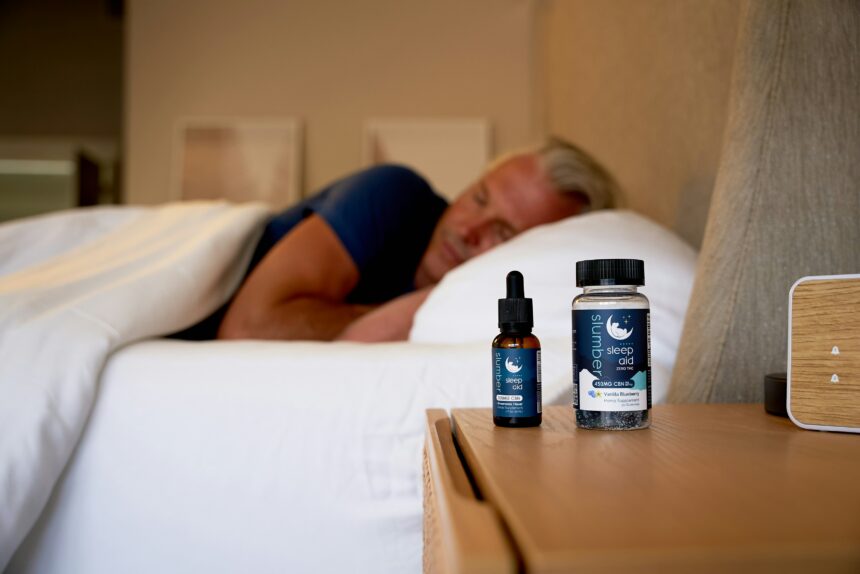
The Rhythmic Dance of Life: Understanding Your Circadian Clock
Imagine your body as a finely tuned orchestra, with countless instruments playing in perfect harmony. At the conductor’s podium stands your circadian rhythm – an internal, 24-hour biological clock that orchestrates nearly every physiological process, from when you feel sleepy to when your immune system is most active. For too long, we’ve undervalued this fundamental biological rhythm, dismissing it as just a sleep-wake cycle. However, a growing body of scientific evidence, particularly within the field of longevity, reveals that a well-regulated circadian rhythm is not merely about feeling rested; it’s a cornerstone of healthspan and, potentially, lifespan itself.
On AgingDecoded.com, we explore the science behind living longer, healthier lives. And when we talk about longevity, we can’t ignore the profound influence of our internal clock. This article will delve into the intricate relationship between your circadian rhythm and your aging process, explaining how disruptions can accelerate cellular wear and tear, and how aligning with your natural rhythms can become a powerful tool in your longevity arsenal. We’ll explore the science in clear, beginner-friendly language, emphasizing foundational lifestyle choices and briefly touching on emerging therapeutic avenues, always reminding you that this information is educational and not a substitute for professional medical advice.
Recent research has shed light on the intricate relationship between circadian rhythms and longevity, suggesting that maintaining a consistent sleep-wake cycle may play a crucial role in extending lifespan. For those interested in exploring this topic further, a related article can be found at Aging Decoded, which discusses various factors influencing health and longevity, including the impact of biological rhythms.
The Hallmarks of Aging and Their Circadian Connection

Aging isn’t a single process; it’s a complex interplay of various cellular and molecular dysfunctions. Scientists have identified what they call the “hallmarks of aging” – a set of characteristics that contribute to the aging process and, when targeted, can potentially extend healthspan. What’s fascinating is how deeply intertwined these hallmarks are with our circadian rhythms.
Genomic Instability and DNA Repair
Our DNA is constantly under attack from environmental factors and metabolic byproducts. To counteract this, our cells have sophisticated DNA repair mechanisms. Research shows that many of these repair processes are rhythmically regulated by our circadian clock. When our clock is disrupted, these repair mechanisms become less efficient, leading to an accumulation of DNA damage – a key hallmark of aging. Think of it like a night-shift maintenance crew that only works well when they have a consistent schedule; throw off their shifts, and the repairs pile up.
Telomere Attrition
Telomeres are protective caps at the ends of our chromosomes, much like the plastic tips on shoelaces. Each time a cell divides, telomeres shorten. Critically short telomeres signal cellular senescence (more on that later) and are associated with aging and age-related diseases. Studies suggest that chronic circadian disruption can accelerate telomere shortening, potentially through increased oxidative stress and inflammation, both of which can impact telomere maintenance.
Epigenetic Alterations
Epigenetics refers to changes in gene expression without altering the underlying DNA sequence. These “switches” turn genes on or off, influencing how our cells function. Our circadian rhythm plays a vital role in regulating epigenetic modifications, ensuring that genes are expressed at the right time of day. When our circadian clock is out of sync, these epigenetic patterns can become chaotic, leading to dysfunctional gene expression patterns that contribute to aging.
Loss of Proteostasis
Proteostasis is the delicate balance of protein production, folding, transport, and degradation within our cells. As we age, this balance often falters, leading to an accumulation of misfolded proteins that can become toxic. The machinery responsible for maintaining proteostasis, such as chaperone proteins and the ubiquitin-proteasome system, is also under circadian control. A disrupted clock can impair these processes, accelerating the accumulation of damaged proteins.
Deregulated Nutrient Sensing
Our cells constantly sense and respond to nutrient availability, adapting their metabolism accordingly. Pathways like mTOR, AMPK, and sirtuins are crucial for this nutrient sensing and are tightly linked to longevity. The circadian rhythm dictates the optimal timing for nutrient intake and metabolic activity. Eating at irregular times or late at night, for example, can confuse these nutrient-sensing pathways, promoting pro-aging signals and hindering cellular repair and renewal processes that ideally occur during fasting periods.
Mitochondrial Dysfunction
Mitochondria are the powerhouses of our cells, generating energy. As we age, mitochondria often become less efficient and produce more damaging byproducts. The creation of new mitochondria (mitochondrial biogenesis) and the removal of damaged ones (mitophagy) are also subject to circadian regulation. A misaligned clock can impair both processes, leading to an accumulation of dysfunctional mitochondria, decreased energy production, and increased oxidative stress – all major contributors to aging.
Cellular Senescence
Senescent cells are “zombie cells” that stop dividing but remain metabolically active, secreting inflammatory molecules that damage surrounding tissues. These cells accumulate with age and contribute to many age-related diseases. Emerging research suggests that chronic circadian disruption can promote the accumulation of senescent cells, possibly through increased oxidative stress and inflammation, further linking our internal clock to biological aging.
Biological vs. Chronological Age: The Clock’s Influence

We all have a chronological age – the number of years since we were born. But increasingly, scientists are focusing on biological age, which reflects the actual functional state of our cells and tissues. Two people of the same chronological age can have vastly different biological ages, with one appearing and functioning much older or younger than their years. This disparity is where the circadian rhythm plays a crucial role.
Think of chronological age as the number of pages in a book. Biological age, on the other hand, is how worn and tattered those pages are, how faded the ink, or how many dog-eared corners it has. A well-maintained book (a body with a well-regulated circadian rhythm) will show less wear and tear, even with many pages turned.
Circadian rhythm disruption, whether from chronic shift work, jet lag, or simply inconsistent sleep and eating patterns, can accelerate biological aging. This is because, as we’ve seen, it negatively impacts several hallmarks of aging: it impairs DNA repair, accelerates telomere shortening, throws off epigenetic programming, disrupts protein quality control, deregulates metabolism, damages mitochondria, and promotes cellular senescence.
Scientists are even developing “epigenetic clocks” that can estimate biological age based on DNA methylation patterns. Intriguingly, these clocks show that individuals with chronic sleep disturbances or misaligned circadian rhythms tend to have an accelerated biological age compared to their chronologically matched peers. This provides a concrete, measurable link between our internal clock’s health and how rapidly our bodies are aging at a molecular level. Maintaining a robust and aligned circadian rhythm is, therefore, a powerful strategy to slow down the hands of our biological clock and reduce our biological age.
Healthspan vs. Lifespan: Quality and Quantity
When we talk about longevity, it’s crucial to distinguish between lifespan and healthspan. Lifespan is simply the number of years you live. Healthspan, however, is the number of years you live in good health, free from chronic diseases and disability. The goal of longevity science isn’t just to add years to your life, but to add life to your years.
A well-regulated circadian rhythm is a fundamental pillar of healthspan. When our internal clock is in sync, our bodily systems function optimally, promoting resilience and reducing the risk of chronic diseases. For instance:
- Metabolic Health: A properly functioning circadian rhythm ensures that insulin sensitivity is high during the day when we eat and low at night, preventing glucose spikes. Disruption increases the risk of insulin resistance, type 2 diabetes, and obesity.
- Cardiovascular Health: Blood pressure, heart rate, and cholesterol metabolism all follow circadian rhythms. Chronic disruption is linked to hypertension, atherosclerosis, and increased risk of heart attacks and strokes.
- Immune Function: Our immune system’s activity waxes and wanes throughout the day. A robust circadian rhythm supports efficient immune responses, helping us fight off infections and potentially reducing the risk of autoimmune conditions.
- Brain Health and Cognition: Sleep, driven by our circadian rhythm, is essential for memory consolidation, waste clearance from the brain (via the glymphatic system), and overall cognitive function. Chronic disruption is associated with impaired cognitive function and an increased risk of neurodegenerative diseases like Alzheimer’s.
- Mood and Mental Health: Circadian rhythm dysregulation is a common feature in mood disorders like depression and anxiety. Regular sleep-wake cycles and exposure to natural light are crucial for maintaining mental well-being.
By nurturing our circadian rhythms, we are not only extending our potential lifespan but significantly enhancing our healthspan, allowing us to enjoy more years of vitality, independence, and well-being. This focus on “living well” rather than just “living long” is a core tenet of AgingDecoded.com.
Recent studies have shown a fascinating connection between circadian rhythms and longevity, suggesting that maintaining a regular sleep-wake cycle can significantly impact our overall health and lifespan. For those interested in exploring this topic further, an insightful article can be found at Aging Decoded, which delves into how cellular processes influenced by circadian rhythms may play a crucial role in aging and longevity. Understanding these mechanisms could lead to new strategies for enhancing health as we age.
Lifestyle Levers: Aligning with Your Inner Clock
| Metric | Description | Relation to Circadian Rhythm | Impact on Longevity | Reference Study |
|---|---|---|---|---|
| Sleep Duration | Average hours of sleep per night | Regulated by circadian rhythm; optimal sleep aligns with natural cycles | 7-8 hours linked to increased lifespan; disruption reduces longevity | Walker, M. (2017). Why We Sleep |
| Melatonin Levels | Concentration of melatonin hormone during night | Produced in sync with circadian rhythm; signals night-time to body | Higher nocturnal melatonin associated with reduced oxidative stress and longer lifespan | Reiter et al. (2014). Melatonin and Aging |
| Core Body Temperature | Daily fluctuation in body temperature (°C) | Follows circadian rhythm; lowest during early morning hours | Proper temperature rhythm linked to metabolic health and longevity | Kräuchi et al. (2000). Temperature and Sleep |
| Clock Gene Expression | Levels of genes like BMAL1, CLOCK in cells | Drive circadian rhythms at molecular level | Disruption linked to accelerated aging and reduced lifespan in animal models | Dubrovsky et al. (2010). Clock Genes and Aging |
| Chronotype | Individual preference for morning or evening activity | Reflects circadian phase alignment | Extreme evening chronotypes may have higher risk of metabolic disorders affecting longevity | Roenneberg et al. (2012). Chronotype and Health |
The good news is that we have significant agency over our circadian rhythm. While genetics play a role, our daily habits are powerful synchronizers or disruptors of our internal clock. Here are the foundational lifestyle levers that are paramount for circadian health and, by extension, longevity:
Sleep: The Foundation of Rhythmic Health
This is the most obvious, yet often most neglected, aspect. Consistent sleep timing is king. Go to bed and wake up at roughly the same time every day, even on weekends. Aim for 7-9 hours of quality sleep.
- Optimize Your Sleep Environment: Make your bedroom dark, quiet, and cool. Blackout curtains, earplugs, and a comfortable mattress can make a big difference.
- Pre-Sleep Routine: Wind down before bed. Avoid screens (phones, tablets, computers) for at least an hour before sleep, as blue light suppresses melatonin. Instead, read a book, take a warm bath, or practice gentle stretching.
- Avoid Stimulants and Alcohol: Limit caffeine intake, especially in the afternoon and evening. While alcohol might make you feel sleepy, it disrupts sleep architecture, leading to less restorative rest.
Light Exposure: The Master Clock Synchronizer
Light, especially natural light, is the most powerful signal for your circadian rhythm.
- Morning Light: Get bright natural light exposure within an hour of waking up. Step outside for 10-30 minutes, even on cloudy days. This signals to your brain that it’s daytime and helps set your internal clock for the day.
- Daytime Light: Work near a window if possible. Regular exposure to natural light throughout the day helps maintain circadian robustness.
- Evening Darkness: Minimize bright artificial light exposure after sunset. Dim lights, use red-shifted light bulbs, or wear blue-light blocking glasses, especially 2-3 hours before bed.
Nutrition and Timing: Fueling Your Rhythm
What and when you eat significantly impacts your circadian rhythm and metabolic health.
- Consistent Meal Times: Try to eat your meals at consistent times each day. Irregular eating patterns confuse your metabolic clocks.
- Early and Lighter Dinner: Aim for your last meal to be several hours before bedtime. Eating too close to sleep can disrupt digestion and sleep quality, and signal to your body that it’s still “daytime” metabolically.
- Minimize Late-Night Snacking: Give your digestive system a break. A prolonged nightly fasting window (e.g., 12-14 hours) aligns with your body’s natural rhythms, promoting cellular repair and metabolic flexibility.
- Nutrient-Dense Foods: Focus on whole, unprocessed foods rich in fiber, healthy fats, and lean protein to support stable blood sugar and overall health.
Movement: Energizing Your Clock
Regular physical activity is beneficial, but its timing also matters.
- Morning or Afternoon Exercise: Aim to exercise earlier in the day. Vigorous exercise too close to bedtime can raise core body temperature and alertness, making it harder to fall asleep.
- Consistency: Any movement is better than none. Find activities you enjoy and make them a regular part of your routine.
Stress Management and Social Connection: Holistic Harmony
Chronic stress and lack of social connection can also disrupt circadian rhythms.
- Stress Reduction: Incorporate stress-reducing practices into your daily life, such as meditation, yoga, deep breathing exercises, spending time in nature, or engaging in hobbies.
- Social Connection: Strong social bonds are profoundly linked to longevity. Meaningful interactions can positively influence mood and stress, indirectly supporting circadian health.
These foundational elements – sleep, nutrition, light exposure, movement, stress management, and social connection – are not just good for you; they are the primary levers for harmonizing your circadian rhythm. Before considering any advanced interventions, mastering these basics is paramount.
Emerging Therapeutics and Supplements: Exploring the Frontiers (with Caution)
While lifestyle is the bedrock, scientific advancements are continuously exploring ways to enhance longevity, some of which interact with circadian pathways. It’s crucial to remember that these are often early-stage research, require professional medical guidance, and should never be DIY prescriptions.
Metformin: A Metabolic Modulator
Traditionally a diabetes drug, metformin has garnered significant attention in longevity research. It acts, in part, by activating AMPK, a key energy sensor that promotes cellular repair and metabolic health, much like fasting does. Some research suggests metformin can influence circadian gene expression and improve metabolic rhythms.
- What’s Known: Reduces risk of age-related diseases in diabetics, shows longevity benefits in some animal models.
- Human Evidence for Longevity: Ongoing human trials (e.g., TAME trial) are investigating its potential to delay age-related diseases in non-diabetics.
- Circadian Link: May help to synchronize metabolic rhythms and improve glucose metabolism, which has circadian implications.
- Caution: Prescription drug. Side effects include gastrointestinal issues. Always consult a doctor.
NAD+ Boosters (NR and NMN): Fueling Cellular Processes
Nicotinamide adenine dinucleotide (NAD+) is a vital coenzyme involved in hundreds of cellular processes, including DNA repair, energy metabolism, and sirtuin activity. NAD+ levels decline with age, and boosting them through precursors like Nicotinamide Riboside (NR) and Nicotinamide Mononucleotide (NMN) is a popular longevity strategy.
- What’s Known: Increases NAD+ levels in humans. Shows promise in animal studies for improving metabolic function, cognitive health, and exercise endurance.
- Human Evidence for Longevity: Early human studies are encouraging for metabolic markers, but direct evidence of lifespan extension in humans is lacking.
- Circadian Link: NAD+ is a crucial co-factor for sirtuins, which are intimately involved in regulating circadian clock genes. NAD+ levels themselves fluctuate rhythmically, and maintaining these rhythms is important.
- Caution: Generally well-tolerated, but long-term human safety and efficacy for longevity are still being investigated. Expensive. Discuss with a clinician.
Rapamycin: A Powerful mTOR Inhibitor
Rapamycin is an FDA-approved immunosuppressant drug that has shown remarkable lifespan extension in a variety of organisms, including mice, by inhibiting the mTOR pathway. mTOR is a central regulator of cell growth, metabolism, and aging, and its inhibition often mimics the effects of caloric restriction.
- What’s Known: Potent anti-aging effects in animals. Potential to prevent age-related diseases in humans.
- Human Evidence for Longevity: Used in transplant patients and for certain cancers. Limited studies in healthy humans, but research is accelerating.
- Circadian Link: The mTOR pathway itself has circadian regulation, and disruptions to mTOR can impact the circadian clock. Rapamycin’s effects on metabolism and autophagy can indirectly influence circadian robustness.
- Caution: Prescription drug with significant potential side effects (immunosuppression, metabolic disturbances). Definitely not a DIY supplement. Strictly for discussion with a qualified clinician for specific indications.
Fasting (Time-Restricted Eating, Intermittent Fasting): Harmonizing Metabolic Rhythms
As discussed under nutrition, aligning eating with daylight hours and incorporating prolonged fasting windows (e.g., 12-16 hours overnight) is a natural way to support circadian rhythms.
- What’s Known: Improves metabolic health, promotes autophagy (cellular cleanup), and can extend healthspan in animals.
- Human Evidence for Longevity: Strong evidence for metabolic benefits, weight management, and improved cellular resilience.
- Circadian Link: Directly influences the timing of metabolic activity, allowing the body to enter repair and rejuvenation modes during fasting.
- Caution: Not suitable for everyone (e.g., pregnant women, individuals with certain medical conditions, those on specific medications). Consult a healthcare provider, especially if considering longer fasting protocols.
Senolytics: Targeting Zombie Cells
Senolytics are a new class of compounds designed to selectively destroy senescent “zombie” cells. Examples include quercetin and fisetin (found in plants), and drugs like dasatinib.
- What’s Known: Shows promising effects in animal models, reversing age-related conditions and extending healthspan.
- Human Evidence for Longevity: Early human trials are ongoing for specific age-related diseases. No direct evidence of lifespan extension in humans yet.
- Circadian Link: Chronic circadian disruption can promote the accumulation of senescent cells, so senolytics could indirectly benefit from and reinforce healthy circadian function.
- Caution: Research is very early. These are potent compounds. Discuss with a qualified clinician.
The field of longevity is dynamic and exciting. While these emerging therapies offer intriguing possibilities, they are far from being universally proven longevity solutions for healthy humans. Always prioritize the foundational lifestyle interventions, as they provide the most robust, evidence-backed path to a longer, healthier life. Any consideration of supplements or prescription drugs for longevity should be a carefully considered discussion with a qualified healthcare professional who understands your individual health profile and goals. Remember, this information is for educational purposes only and not medical advice.
FAQs
What is circadian rhythm?
Circadian rhythm refers to the natural, internal process that regulates the sleep-wake cycle and other physiological processes in living organisms, typically following a roughly 24-hour cycle. It is influenced by external cues such as light and temperature, and it plays a crucial role in determining sleep patterns, hormone release, and other bodily functions.
How does circadian rhythm affect longevity?
Research suggests that a well-regulated circadian rhythm can positively impact longevity by promoting better sleep quality, metabolic health, and immune function. Disruptions to the circadian rhythm, such as irregular sleep patterns or exposure to artificial light at night, have been linked to various health issues, including obesity, diabetes, and cardiovascular diseases, which can shorten lifespan.
What are some common factors that disrupt circadian rhythms?
Common factors that can disrupt circadian rhythms include irregular sleep schedules, shift work, excessive exposure to artificial light, particularly blue light from screens, and lifestyle choices such as poor diet and lack of physical activity. These disruptions can lead to sleep disorders and other health problems that may negatively affect longevity.
Can lifestyle changes improve circadian rhythm and potentially increase lifespan?
Yes, lifestyle changes such as maintaining a consistent sleep schedule, reducing exposure to screens before bedtime, getting regular exposure to natural light during the day, and engaging in regular physical activity can help improve circadian rhythm. These changes can enhance sleep quality and overall health, potentially contributing to increased longevity.
Are there any specific foods or supplements that support circadian rhythm?
Certain foods and supplements may support circadian rhythm by promoting better sleep and overall health. Foods rich in melatonin, such as cherries and bananas, as well as those high in omega-3 fatty acids, like fatty fish, can be beneficial. Additionally, supplements like melatonin and magnesium may help regulate sleep patterns, although it’s advisable to consult a healthcare professional before starting any new supplement regimen.