


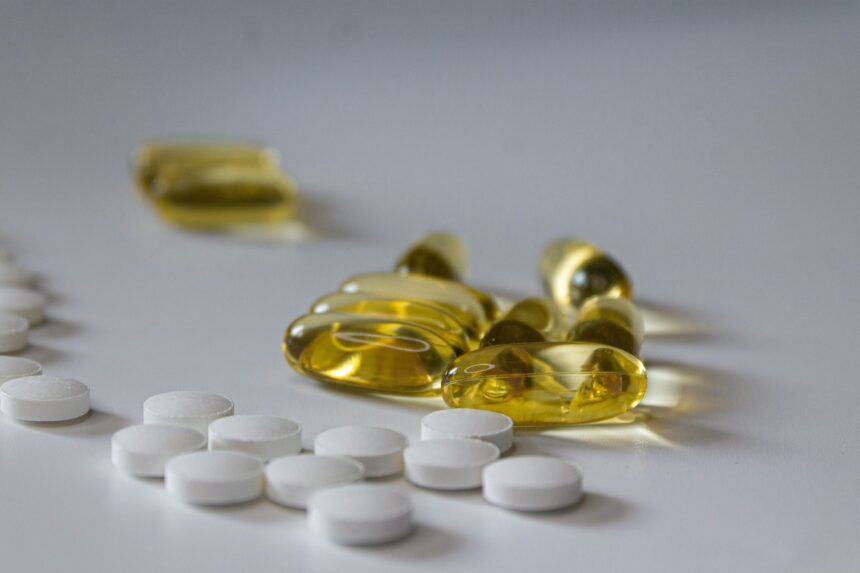
As we navigate the complexities of aging, the importance of preventive health measures becomes increasingly clear. One of the most effective strategies for maintaining well-being and preventing chronic diseases is the use of dietary supplements. These supplements can play a crucial role in filling nutritional gaps, supporting immune function, and promoting overall health. While a balanced diet rich in fruits, vegetables, whole grains, and lean proteins is foundational, many individuals find it challenging to obtain all the necessary nutrients solely through food. This is where preventive supplements come into play, offering a convenient way to enhance health and mitigate the risk of various age-related conditions.
Preventive supplements can be particularly beneficial as we age, as our bodies may require different nutrients to function optimally. Factors such as changes in metabolism, decreased absorption of nutrients, and increased susceptibility to chronic diseases necessitate a proactive approach to health. By incorporating specific vitamins and minerals into our daily routines, we can bolster our defenses against illnesses like heart disease, diabetes, and osteoporosis. However, it is essential to remember that supplements should complement a healthy lifestyle rather than replace it. Consulting with a healthcare provider can help tailor a supplement regimen that aligns with individual health needs and goals.
Preventive supplements can play a significant role in enhancing overall health, particularly when combined with lifestyle practices such as mindful walking and meditation. For those interested in exploring how these activities can further support brain health, a related article provides valuable insights. You can read more about this topic in the article titled “Enhance Brain Health Through Mindful Walking and Meditation” available at this link.
The Importance of Vitamin D for Immunity
Vitamin D is often referred to as the “sunshine vitamin” due to its natural production in the skin when exposed to sunlight. This vital nutrient plays a significant role in supporting immune function, which is particularly important as we age. Research has shown that adequate levels of vitamin D can enhance the pathogen-fighting effects of monocytes and macrophages—white blood cells that are crucial for immune defense. Furthermore, vitamin D helps regulate the immune response, reducing the risk of autoimmune diseases and infections.
As we grow older, our ability to synthesize vitamin D from sunlight diminishes, making supplementation increasingly important. Low levels of vitamin D have been linked to various health issues, including osteoporosis, cardiovascular disease, and certain cancers. Therefore, ensuring sufficient vitamin D intake through supplements or fortified foods can be a proactive measure in maintaining overall health and preventing chronic diseases. Regular blood tests can help determine individual vitamin D levels, allowing for personalized recommendations from healthcare providers.
Omega-3 Fatty Acids and Heart Health

Omega-3 fatty acids are essential fats that play a pivotal role in heart health. Found in fatty fish like salmon, walnuts, and flaxseeds, these nutrients are known for their anti-inflammatory properties and ability to lower triglyceride levels. Research indicates that omega-3 fatty acids can reduce the risk of heart disease by improving cholesterol levels, lowering blood pressure, and decreasing the likelihood of arrhythmias. As cardiovascular health becomes increasingly important with age, incorporating omega-3 supplements can be a beneficial strategy.
In addition to their heart-protective benefits, omega-3 fatty acids have also been linked to improved brain health. Studies suggest that these fats may help reduce the risk of cognitive decline and dementia by promoting healthy blood flow to the brain and supporting neuronal function. For individuals over 40 or 50, considering omega-3 supplementation can be an effective way to support both heart and brain health as part of a comprehensive preventive strategy.
Probiotics for Digestive Wellness

Probiotics are live microorganisms that provide numerous health benefits when consumed in adequate amounts. Often referred to as “good bacteria,” probiotics play a crucial role in maintaining digestive wellness by balancing the gut microbiome. A healthy gut microbiome is essential for proper digestion, nutrient absorption, and immune function. As we age, changes in our gut flora can lead to digestive issues such as constipation, bloating, and an increased risk of gastrointestinal infections.
Supplementing with probiotics can help restore balance to the gut microbiome and improve digestive health. Research has shown that probiotics can alleviate symptoms of irritable bowel syndrome (IBS), enhance immune responses, and even support mental health by influencing the gut-brain axis. For older adults looking to maintain digestive wellness and overall health, incorporating probiotic-rich foods or supplements into their diet can be a valuable addition.
Preventive supplements have gained significant attention for their potential to enhance health and longevity. Many individuals are eager to explore what truly works in this realm. For those interested in a deeper understanding of the science behind these supplements, a related article can be found at Aging Decoded, which discusses various approaches to extending lifespan and improving overall well-being. This resource provides valuable insights into the effectiveness of different preventive measures, making it a worthwhile read for anyone looking to optimize their health.
The Role of Magnesium in Preventing Chronic Disease
| Supplement | Preventive Benefit | Effectiveness | Recommended Dosage | Notes |
|---|---|---|---|---|
| Vitamin D | Bone health, immune support | Strong evidence for bone density improvement and reduced respiratory infections | 600-2000 IU daily | Best taken with meals containing fat for absorption |
| Omega-3 Fatty Acids (Fish Oil) | Cardiovascular health, inflammation reduction | Moderate evidence for reducing heart disease risk and inflammation | 250-1000 mg EPA/DHA daily | Choose high-quality, purified products to avoid contaminants |
| Probiotics | Gut health, immune modulation | Moderate evidence for preventing antibiotic-associated diarrhea and improving gut flora | 1-10 billion CFU daily | Strain-specific effects; consult product labels |
| Calcium | Bone health | Strong evidence for preventing osteoporosis in at-risk populations | 1000-1300 mg daily | Split doses recommended for better absorption |
| Multivitamins | General nutrient support | Limited evidence for disease prevention in well-nourished adults | As per label instructions | May benefit individuals with nutrient deficiencies |
| Curcumin | Anti-inflammatory, joint health | Some evidence for reducing inflammation and joint pain | 500-1000 mg daily with black pepper extract | Bioavailability enhanced with piperine |
Magnesium is an essential mineral that plays a vital role in numerous bodily functions, including muscle and nerve function, blood sugar regulation, and bone health. Despite its importance, many individuals do not consume adequate amounts of magnesium through their diets. This deficiency can lead to various health issues, including hypertension, cardiovascular disease, and osteoporosis—conditions that become increasingly prevalent with age.
Supplementing with magnesium can help mitigate these risks by supporting cardiovascular health and maintaining healthy blood pressure levels. Additionally, magnesium has been shown to play a role in regulating insulin sensitivity, making it an important nutrient for preventing type 2 diabetes. For older adults seeking to enhance their overall health and reduce the risk of chronic diseases, magnesium supplementation may be a beneficial strategy worth discussing with their healthcare provider.
Preventive supplements have gained popularity as individuals seek ways to enhance their health and well-being. A recent article discusses the effectiveness of various supplements in promoting longevity and preventing age-related diseases. For those interested in exploring this topic further, you can read more about it in this insightful piece on Hispanic health and wellness. The article provides valuable information on how certain supplements may contribute to a healthier lifestyle. To learn more, visit this link.
Antioxidant Powerhouses: Vitamin C and E
Antioxidants are compounds that help protect our cells from oxidative stress caused by free radicals—unstable molecules that can damage cellular structures and contribute to aging and chronic diseases. Two well-known antioxidants are vitamins C and E, both of which play crucial roles in maintaining overall health as we age. Vitamin C is essential for collagen synthesis, immune function, and enhancing iron absorption from plant-based foods. It also helps regenerate vitamin E, amplifying its antioxidant effects.
Vitamin E is particularly important for protecting cell membranes from oxidative damage and supporting skin health. Research suggests that adequate intake of these vitamins may reduce the risk of chronic diseases such as heart disease and certain cancers. For older adults looking to bolster their antioxidant defenses and promote healthy aging, considering vitamin C and E supplements may be a wise choice. However, it’s essential to consult with a healthcare provider to determine appropriate dosages based on individual needs.
Zinc’s Impact on Immune Function
Zinc is a trace mineral that plays a critical role in immune function and overall health. It is involved in numerous enzymatic reactions within the body and is essential for the development and function of immune cells. Adequate zinc levels are crucial for maintaining a robust immune response, particularly as we age when our immune systems may become less efficient.
Research has shown that zinc supplementation can help reduce the duration and severity of respiratory infections and may even play a role in preventing age-related diseases such as macular degeneration. For older adults seeking to enhance their immune function and overall well-being, ensuring sufficient zinc intake through diet or supplementation can be an effective preventive measure. As always, discussing zinc supplementation with a healthcare provider is advisable to ensure appropriate dosing.
Turmeric and Curcumin for Inflammation Control
Turmeric is a vibrant yellow spice commonly used in cooking that contains curcumin—a compound known for its potent anti-inflammatory properties. Chronic inflammation has been linked to various age-related diseases such as arthritis, heart disease, and even cancer. By incorporating turmeric or curcumin supplements into their diets, older adults may find relief from inflammation-related symptoms while also supporting overall health.
Research suggests that curcumin may help reduce markers of inflammation in the body while also providing antioxidant benefits. Additionally, curcumin has been studied for its potential neuroprotective effects, making it an intriguing option for those concerned about cognitive decline as they age. As with any supplement, it’s essential for individuals to consult with their healthcare provider before starting turmeric or curcumin supplementation to ensure it aligns with their specific health needs.
The Benefits of Multivitamins for Overall Health
Multivitamins are dietary supplements that contain a combination of vitamins and minerals designed to fill nutritional gaps in our diets. For older adults who may struggle to obtain all necessary nutrients through food alone due to dietary restrictions or decreased appetite, multivitamins can serve as an effective way to support overall health. These supplements often include essential vitamins such as B vitamins for energy metabolism, vitamin D for bone health, and antioxidants like vitamins C and E.
While multivitamins should not replace a balanced diet rich in whole foods, they can provide an additional layer of nutritional support as we age. Regularly taking a multivitamin may help prevent deficiencies that could lead to chronic diseases or exacerbate existing health conditions. As always, individuals should consult with their healthcare provider before starting any new supplement regimen to ensure it meets their unique needs.
How Coenzyme Q10 Supports Cellular Energy
Coenzyme Q10 (CoQ10) is a naturally occurring antioxidant found in every cell of the body that plays a crucial role in energy production within mitochondria—the powerhouse of cells. As we age, our natural levels of CoQ10 tend to decline, which can impact energy levels and overall vitality. Supplementing with CoQ10 may help counteract this decline by supporting cellular energy production and promoting cardiovascular health.
Research has shown that CoQ10 supplementation may improve exercise performance, reduce fatigue, and support heart function—making it particularly beneficial for older adults looking to maintain an active lifestyle. Additionally, CoQ10’s antioxidant properties may help protect cells from oxidative damage associated with aging. Individuals interested in exploring CoQ10 supplementation should discuss it with their healthcare provider to determine appropriate dosages based on their specific health needs.
Choosing Quality Supplements: What to Look For
When considering dietary supplements as part of a preventive health strategy, quality matters significantly. Not all supplements are created equal; therefore, it’s essential to choose products from reputable manufacturers that adhere to strict quality standards. Look for supplements that have undergone third-party testing for purity and potency—this ensures that what’s on the label matches what’s inside the bottle.
Additionally, consider the form of the supplement—some nutrients are better absorbed in certain forms than others (for example, methylcobalamin versus cyanocobalamin for vitamin B12). Reading labels carefully for added fillers or artificial ingredients is also crucial; opting for whole-food-based supplements can often provide additional benefits. Lastly, consulting with a healthcare provider before starting any new supplement regimen is vital for ensuring safety and efficacy tailored to individual health needs.
In conclusion, preventive supplements can play an essential role in promoting overall health as we age. By understanding the benefits of specific nutrients like vitamin D, omega-3 fatty acids, probiotics, magnesium, antioxidants like vitamins C and E, zinc, turmeric/curcumin, multivitamins, CoQ10—and knowing how to choose quality products—we can take proactive steps toward maintaining our well-being and preventing chronic diseases throughout our lives.
FAQs
What are preventive supplements?
Preventive supplements are dietary products designed to support overall health and prevent potential health issues before they arise. These supplements often contain vitamins, minerals, herbs, and other nutrients that may help bolster the immune system, improve heart health, or enhance cognitive function.
Which vitamins are commonly used as preventive supplements?
Common vitamins used as preventive supplements include Vitamin D, which supports bone health and immune function; Vitamin C, known for its antioxidant properties; and B vitamins, which are essential for energy metabolism and brain health. Each of these vitamins plays a role in maintaining overall health and preventing deficiencies.
Are there any risks associated with taking preventive supplements?
Yes, there can be risks associated with taking preventive supplements, especially if taken in excessive amounts or without medical guidance. Over-supplementation can lead to toxicity, adverse interactions with medications, or masking of underlying health conditions. It is important to consult with a healthcare professional before starting any new supplement regimen.
How can I determine which preventive supplements are right for me?
To determine which preventive supplements are right for you, consider factors such as your age, gender, dietary habits, health conditions, and lifestyle. Consulting with a healthcare provider or a registered dietitian can help you identify specific nutrient needs and recommend appropriate supplements based on your individual health profile.
Do preventive supplements replace a healthy diet?
No, preventive supplements are not a substitute for a healthy diet. While they can help fill nutritional gaps, they should complement a balanced diet rich in fruits, vegetables, whole grains, lean proteins, and healthy fats. A well-rounded diet provides a wide range of nutrients that supplements alone cannot fully replicate.