


As we age, our bodies undergo a myriad of changes, many of which can significantly impact our posture and spinal health. The natural aging process affects the musculoskeletal system, leading to alterations in bone density, muscle mass, and joint flexibility. These changes can result in a gradual decline in posture, often manifesting as a stooped or hunched appearance. This shift not only affects how we look but can also influence our overall health and well-being. Understanding these changes is crucial for older adults who wish to maintain their independence and quality of life.
The spine, which serves as the central support structure of the body, is particularly susceptible to age-related changes. Discs between the vertebrae may lose hydration and elasticity, leading to reduced cushioning and increased risk of injury. Additionally, the ligaments that support the spine can become stiffer, contributing to a decrease in flexibility. As a result, older adults may find it more challenging to maintain an upright posture, which can lead to discomfort and a higher risk of falls. Recognizing these changes early on can empower individuals to take proactive steps toward preserving their spinal health.
Maintaining good posture is crucial for spinal health, especially as we age, as it can significantly impact our overall well-being. A related article that delves into the importance of posture and its effects on spinal health in aging individuals can be found at this link: Aging Decoded. This resource provides valuable insights into how cultural practices and lifestyle choices can influence posture and, consequently, spinal health over time.
The Role of Muscle Strength and Flexibility in Maintaining Good Posture
Muscle strength and flexibility are fundamental components of good posture, especially as we age. Strong muscles provide the necessary support for the spine and help maintain its natural alignment. Conversely, weak muscles can lead to imbalances that contribute to poor posture. For older adults, engaging in regular strength training exercises can be particularly beneficial. These exercises not only enhance muscle strength but also improve overall stability, making it easier to maintain an upright position.
Flexibility is equally important in supporting good posture. As we age, our muscles and connective tissues can become tighter, limiting our range of motion. Stretching exercises can help counteract this stiffness, promoting better alignment and reducing the risk of injury. Incorporating activities such as yoga or Pilates into a regular fitness routine can enhance flexibility while also fostering mindfulness and relaxation. By prioritizing both strength and flexibility, older adults can create a solid foundation for maintaining good posture throughout their lives.
Common Postural Issues Associated with Aging

Several common postural issues tend to arise as individuals age. One of the most prevalent is kyphosis, characterized by an exaggerated forward rounding of the upper back. This condition can result from a combination of factors, including weakened spinal muscles, osteoporosis, and degenerative disc disease. Kyphosis not only affects appearance but can also lead to discomfort and reduced lung capacity due to restricted chest expansion.
Another common issue is lordosis, which involves an excessive inward curve of the lower back. This condition can result from muscle imbalances or obesity and may lead to lower back pain and discomfort. Additionally, many older adults experience a tendency to lean forward while walking or standing, which can increase the risk of falls. Recognizing these postural issues is essential for developing effective strategies to address them and improve overall spinal health.
How Aging Affects Spinal Health and Alignment

Aging has a profound impact on spinal health and alignment. As mentioned earlier, the intervertebral discs lose hydration over time, leading to decreased height and flexibility. This degeneration can result in conditions such as herniated discs or spinal stenosis, where the spinal canal narrows and compresses nerves. These conditions can cause pain, numbness, or weakness in the limbs, significantly affecting mobility.
Moreover, age-related changes in bone density can lead to osteoporosis, increasing the risk of fractures in the vertebrae. A compression fracture can further exacerbate postural issues by causing a collapse in the spine’s structure. Maintaining proper alignment becomes increasingly challenging as these changes occur, making it essential for older adults to engage in preventive measures that support spinal health.
Maintaining good posture is essential for spinal health, especially as we age, and understanding the connection between posture and overall well-being can lead to better quality of life. A related article discusses how posture impacts various aspects of health and offers tips for improving it over time. For more insights, you can read the article on aging and its effects on posture. By incorporating simple exercises and being mindful of our posture, we can help support our spine and prevent discomfort as we grow older.
The Importance of Regular Exercise and Physical Activity for Aging Adults
| Age Group | Prevalence of Poor Posture | Prevalence of Spinal Health Issues |
|---|---|---|
| 20-39 | 25% | 10% |
| 40-59 | 40% | 30% |
| 60-79 | 60% | 50% |
Regular exercise and physical activity are vital for maintaining overall health as we age, particularly concerning posture and spinal health. Engaging in consistent physical activity helps strengthen muscles that support the spine while promoting flexibility and balance. Activities such as walking, swimming, or cycling can enhance cardiovascular health while also providing low-impact options for those with joint concerns.
Incorporating strength training into a fitness routine is equally important for older adults. Resistance exercises help build muscle mass, which naturally declines with age. By focusing on core strength, individuals can improve their posture and reduce the risk of back pain. Additionally, regular physical activity has been shown to boost mood and cognitive function, contributing to a higher quality of life as we age.
Maintaining good posture is essential for spinal health, especially as we age, and it can significantly impact our overall well-being. A recent article discusses how proper alignment and supportive exercises can help mitigate the effects of aging on our spine. For those interested in enhancing their vitality and cellular renewal, incorporating nutritious meals like the ones found in this savory quinoa stuffed bell peppers recipe can also play a role in supporting a healthy lifestyle. By focusing on both posture and nutrition, we can promote better spinal health and improve our quality of life as we grow older.
Tips for Improving Posture and Spinal Health in Older Adults
Improving posture and spinal health requires a multifaceted approach that includes lifestyle changes and mindful practices. One effective strategy is to be conscious of body mechanics throughout daily activities. Simple adjustments such as sitting up straight while at a desk or using ergonomic furniture can make a significant difference over time. Additionally, practicing good lifting techniques—bending at the knees rather than the waist—can help prevent strain on the back.
Incorporating stretching routines into daily life is another practical tip for enhancing flexibility and posture. Gentle stretches targeting the back, shoulders, and hips can alleviate tension and promote better alignment. Furthermore, engaging in activities that emphasize body awareness—such as tai chi or yoga—can foster mindfulness about posture while improving balance and coordination.
The Link Between Aging, Posture, and Chronic Pain
There is a notable connection between aging, posture, and chronic pain that many older adults experience. Poor posture can lead to muscle imbalances that contribute to discomfort in various areas of the body, particularly the neck and lower back. As muscles become strained from supporting an improper alignment, chronic pain may develop over time.
Additionally, conditions such as arthritis or degenerative disc disease can exacerbate postural issues and lead to further pain. Addressing these concerns early on through proper exercise, stretching, and professional guidance can help mitigate chronic pain associated with aging and poor posture.
Strategies for Preventing and Managing Age-Related Spinal Conditions
Preventing and managing age-related spinal conditions requires a proactive approach that includes regular check-ups with healthcare professionals. Early detection of issues such as osteoporosis or degenerative disc disease allows for timely intervention through lifestyle modifications or medical treatment.
Incorporating preventive strategies into daily life is equally important. Maintaining a healthy weight reduces stress on the spine while promoting better alignment. Additionally, ensuring adequate calcium and vitamin D intake supports bone health, reducing the risk of fractures associated with osteoporosis. Engaging in low-impact exercises that promote spinal stability—such as swimming or cycling—can also be beneficial for preventing age-related spinal conditions.
The Impact of Aging on Balance and Fall Risk
Aging significantly impacts balance and increases fall risk among older adults. As muscle strength declines and flexibility diminishes, maintaining stability becomes more challenging. Poor posture can further exacerbate balance issues by shifting the center of gravity forward or backward.
To combat this increased fall risk, older adults should prioritize balance training exercises as part of their fitness routine. Simple activities such as standing on one leg or practicing heel-to-toe walking can enhance stability over time. Additionally, incorporating strength training into workouts helps build muscle mass that supports balance while improving overall coordination.
How Nutrition and Lifestyle Choices Can Affect Posture and Spinal Health
Nutrition plays a crucial role in supporting posture and spinal health as we age. A well-balanced diet rich in essential nutrients—such as calcium, vitamin D, magnesium, and omega-3 fatty acids—can promote bone density and reduce inflammation in the body. Foods like leafy greens, fatty fish, nuts, seeds, and dairy products should be included in daily meals to support overall musculoskeletal health.
Lifestyle choices also significantly impact spinal health; avoiding smoking is particularly important since it can hinder blood flow to bones and tissues, increasing the risk of osteoporosis. Moderating alcohol consumption is equally vital; excessive drinking can lead to dehydration and negatively affect muscle function. By making mindful nutrition choices alongside healthy lifestyle habits, older adults can positively influence their posture and spinal health.
Seeking Professional Help: The Role of Chiropractors and Physical Therapists in Addressing Age-Related Postural Changes
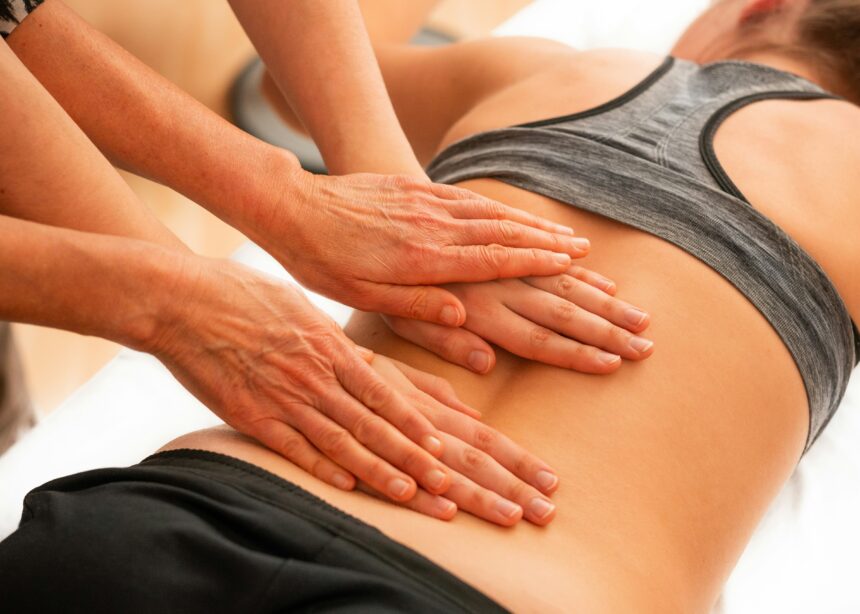
When it comes to addressing age-related postural changes effectively, seeking professional help from chiropractors or physical therapists can be invaluable. These healthcare providers specialize in assessing musculoskeletal issues and developing personalized treatment plans tailored to individual needs.
Chiropractors focus on spinal alignment through manual adjustments that can alleviate discomfort while improving posture. They may also provide guidance on exercises that strengthen supporting muscles and enhance flexibility. Physical therapists take a more comprehensive approach by evaluating movement patterns and developing rehabilitation programs that address specific postural concerns.
In conclusion, understanding how aging affects posture and spinal health is essential for maintaining overall well-being as we grow older. By prioritizing muscle strength, flexibility, regular exercise, nutrition, and seeking professional guidance when needed, older adults can take proactive steps toward preserving their spinal health while reducing the risk of chronic pain and falls. Embracing these strategies will not only enhance posture but also contribute to a higher quality of life throughout the aging process.
FAQs
What is the importance of good posture for spinal health as we age?
Good posture is important for spinal health as we age because it helps to maintain the natural curves of the spine, reduces the risk of developing spinal conditions such as osteoporosis and degenerative disc disease, and prevents muscle imbalances and strain on the spine.
How does poor posture affect spinal health as we age?
Poor posture can lead to increased pressure on the spine, causing wear and tear on the spinal discs and joints. This can result in conditions such as spinal stenosis, herniated discs, and chronic back pain, which can significantly impact mobility and quality of life as we age.
What are some common age-related spinal health issues related to poor posture?
Some common age-related spinal health issues related to poor posture include kyphosis (excessive rounding of the upper back), lordosis (excessive inward curvature of the lower back), and forward head posture. These issues can lead to pain, stiffness, and reduced range of motion in the spine.
How can we improve and maintain good posture as we age?
To improve and maintain good posture as we age, it is important to engage in regular exercise to strengthen the muscles that support the spine, practice proper body mechanics when lifting and carrying objects, use ergonomic furniture and equipment, and be mindful of posture during daily activities such as sitting, standing, and walking.
What are some strategies for promoting spinal health and good posture in older adults?
Some strategies for promoting spinal health and good posture in older adults include participating in activities that promote flexibility and strength, such as yoga and Pilates, using supportive footwear, maintaining a healthy weight to reduce strain on the spine, and seeking regular chiropractic care or physical therapy to address any spinal issues.