


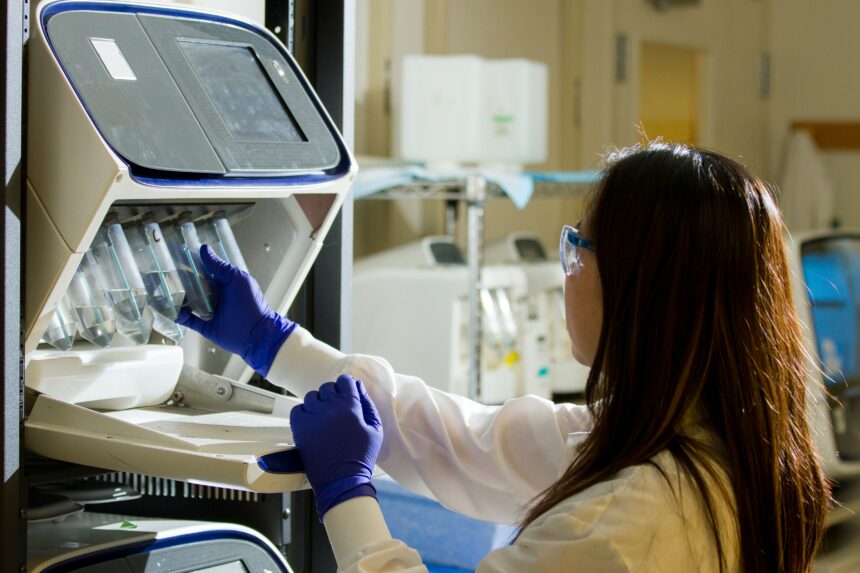
Welcome to AgingDecoded, your guide to understanding the science behind living a long and healthy life. Today, we’re diving into a fascinating area of longevity research: blood biomarkers. These tiny clues in our blood offer a powerful window into our biological age and how well our bodies are functioning, potentially guiding us toward a longer, healthier future.
This article is for educational purposes only and does not constitute medical advice. Always consult with a qualified healthcare professional before making any decisions about your health or treatment.
Understanding the Basics: What is Longevity Science?
Before we explore blood biomarkers, let’s get a handle on what longevity science is all about. It’s not about finding a magic pill for immortality, but rather about understanding the fundamental processes that drive aging and finding ways to slow them down, improve our quality of life as we get older, and extend our “healthspan”—the years we live in good health.
The Hallmarks of Aging: The Root Causes
Scientists have identified several key processes that contribute to aging at a cellular and molecular level. Think of these as the “hallmarks” of aging. While the exact number and categorization can vary slightly, common hallmarks include:
- Genomic Instability: Over time, our DNA can accumulate damage from various sources like radiation, toxins, and even normal cellular processes. This damage can lead to errors in cell function and increase the risk of diseases.
- Telomere Attrition: Telomeres are protective caps at the ends of our chromosomes. Each time a cell divides, these telomeres get a little shorter. Eventually, they become too short, signaling the cell to stop dividing or to die.
- Epigenetic Alterations: Our DNA sequence doesn’t change, but the way our genes are expressed can. Epigenetic changes are like switches that can turn genes on or off. As we age, these switches can get “misfired,” leading to inappropriate gene activity.
- Loss of Proteostasis: Proteins are the workhorses of our cells. Proteostasis is the process of maintaining the balance of protein production, folding, and degradation. As we age, this system can falter, leading to the accumulation of damaged or misfolded proteins, which can be toxic.
- Deregulated Nutrient Sensing: Our cells have pathways that sense nutrient availability and adjust their activity accordingly. These pathways, like insulin/IGF-1 signaling, are crucial for growth and repair but can contribute to aging if constantly overactive.
- Mitochondrial Dysfunction: Mitochondria are the powerhouses of our cells, generating energy. With age, mitochondria can become less efficient and produce more harmful byproducts, contributing to cellular damage and inflammation.
- Cellular Senescence: Senescent cells are cells that have stopped dividing but haven’t died. They can accumulate with age and release inflammatory signals that damage surrounding tissues.
- Stem Cell Exhaustion: Stem cells are responsible for regenerating tissues. As we age, stem cell function can decline, impairing the body’s ability to repair itself.
- Altered Intercellular Communication: Cells communicate with each other through various signals. As we age, this communication can become disrupted, leading to inflammation and impaired tissue function.
Understanding these hallmarks helps us appreciate the complex nature of aging. Longevity science aims to address these fundamental processes.
Biological Age vs. Chronological Age: What’s the Difference?
When we talk about age, we usually mean chronological age – the number of years we’ve been alive. However, our bodies don’t always age at the same rate. This is where biological age comes in.
Chronological Age: This is simply the passage of time since your birth. It’s a fixed number.
Biological Age: This reflects the actual age of your cells and tissues, based on their functional state and the presence of age-related molecular changes. Someone who is chronologically 50 years old might have a biological age of 40 if they’ve consistently prioritized a healthy lifestyle, or a biological age of 60 if they’ve experienced significant cellular damage and dysfunction.
The exciting aspect of longevity science is that, to a certain extent, we can influence our biological age. Blood biomarkers play a crucial role in helping us assess and track this.
Healthspan vs. Lifespan: The Goal of Longevity
While living a long life (lifespan) is desirable, what’s even more important is living a long life in good health (healthspan). Longevity science is increasingly focused on extending healthspan, meaning we want to increase the number of years we remain active, independent, and free from chronic diseases.
Imagine two individuals who live to be 90. One might have spent their last two decades battling illness and requiring significant care, while the other enjoyed vibrant health and engagement throughout their life. The latter has achieved a greater extension of healthspan.
Recent research has highlighted the significance of blood biomarkers in predicting longevity and overall health. A related article by Priya Das delves into the latest findings on how specific biomarkers can serve as indicators of biological age and potential lifespan. For those interested in exploring this topic further, you can read the article here: Priya Das on Longevity Blood Biomarkers. This resource provides valuable insights into the science behind aging and the role of blood analysis in enhancing our understanding of longevity.
The Promise of Blood Biomarkers: Your Internal Report Card
Blood biomarkers are measurable indicators found in our blood that can provide insights into our health status, disease risk, and, importantly for longevity, our biological age. Think of them as your body’s internal report card.
What Are Blood Biomarkers and How Do They Work?
Blood biomarkers are substances or molecules found in the blood that, when measured, can tell us something about a specific physiological process or condition. They can include:
- Proteins: Different proteins are produced by various cells and tissues. Their levels can change in response to disease, inflammation, or cellular stress.
- Metabolites: These are small molecules involved in the body’s metabolic processes, such as sugars, fats, and amino acids. Changes in their levels can indicate metabolic health.
- DNA and RNA fragments: Even tiny fragments of genetic material circulating in the blood can offer clues about cellular activity and damage.
- Cells: Certain types of blood cells and their characteristics can also serve as biomarkers.
By analyzing the concentrations or activities of these biomarkers, scientists and clinicians can gain a snapshot of how your body is functioning at a cellular level.
How Blood Biomarkers Relate to Aging
As we age, many of these biomarkers change predictably. For example, markers of inflammation might increase, while markers of cellular repair might decrease. These age-related shifts can be detected in the blood and can contribute to what we call a “biological age” assessment.
Some blood biomarkers are also linked to the hallmarks of aging. For instance:
- Inflammatory markers (e.g., CRP, IL-6): Elevated levels can indicate chronic inflammation, a hallmark of aging.
- Glycated proteins (e.g., HbA1c): These indicate how well your body is managing blood sugar, reflecting deregulated nutrient sensing.
- Markers of oxidative stress: These can signal damage to cells from unstable molecules.
The beauty of blood biomarkers is that they can often detect these changes before symptoms of disease become apparent, offering a proactive approach to health and longevity.
Types of Longevity-Related Blood Biomarkers
While the field is rapidly evolving, here are some categories of blood biomarkers that are of significant interest in longevity research:
Blood Glucose and Insulin Metabolism Markers
- Fasting Blood Glucose: A basic measure of sugar in your blood after an overnight fast.
- HbA1c (Glycated Hemoglobin): Provides an average of your blood sugar levels over the past 2-3 months. High HbA1c is linked to insulin resistance and an increased risk of diabetes, which accelerates aging.
- Insulin Levels: Measuring insulin, especially after a glucose challenge (oral glucose tolerance test), can reveal how effectively your body is responding to insulin.
Inflammatory Markers
- C-reactive Protein (CRP): A general marker of inflammation in the body. Elevated CRP is associated with increased risk of heart disease, diabetes, and other age-related conditions.
- Interleukin-6 (IL-6): Another key inflammatory cytokine that plays a role in many age-related diseases.
- Tumor Necrosis Factor-alpha (TNF-α): Similar to IL-6, TNF-α is a pro-inflammatory molecule linked to aging.
Lipid Profile and Cardiovascular Markers
- Total Cholesterol, LDL Cholesterol, HDL Cholesterol, Triglycerides: While a standard lipid panel is important for general health, specific ratios and advanced lipid markers can offer more nuanced insights into cardiovascular risk, a major factor in longevity.
- Lipoprotein(a) [Lp(a)]: A genetic marker that significantly increases the risk of cardiovascular disease.
Kidney and Liver Function Markers
- Creatinine and eGFR (Estimated Glomerular Filtration Rate): Indicators of kidney function. Impaired kidney function can be linked to aging and other chronic conditions.
- Liver Enzymes (ALT, AST, ALP): Elevated levels can signal liver inflammation or damage.
Hormonal Markers
- Thyroid Hormones (TSH, Free T4): Thyroid function impacts metabolism and overall energy levels.
- Sex Hormones (Testosterone, Estrogen): Levels of these hormones decline with age and can affect various bodily functions.
Other Emerging Biomarkers
- DNA Methylation Clocks: These are sophisticated algorithms that analyze patterns of DNA methylation (a type of epigenetic modification) in blood cells to estimate biological age. They are considered among the most promising tools for biological age assessment.
- Circulating RNA and DNA: Specific types and quantities of these genetic fragments can indicate cellular stress, damage, or even the presence of early-stage diseases.
- Specific Protein Biomarkers: Research is ongoing to identify more specific protein biomarkers associated with various hallmarks of aging and disease risk.
The Practical Application of Blood Biomarkers in Longevity
Understanding the science behind blood biomarkers is one thing, but how can they be practically used to support a longer, healthier life?
Assessing Your Biological Age
One of the most exciting applications of blood biomarkers is in estimating your biological age. Traditional biological age measures often relied on a combination of factors like blood pressure, cholesterol, and body mass index. However, the advent of advanced blood tests, particularly those analyzing DNA methylation patterns, offers a more precise and comprehensive picture.
- How it works: By analyzing specific patterns of DNA methylation in your blood, specialized labs can generate a “methylation clock” age. This age is compared to your chronological age to see if you are aging faster or slower than average.
- What it tells you: If your biological age is significantly higher than your chronological age, it suggests that underlying biological processes are accelerating aging, and it may be a call to action to make lifestyle changes or investigate further with a clinician. Conversely, a biological age that matches or is lower than your chronological age is a positive sign.
Identifying Areas for Improvement
Your blood biomarker profile can act as a personalized roadmap, highlighting specific areas where your body might be under stress or showing signs of accelerated aging.
- Example: If your inflammatory markers are consistently high, it points towards a need to address inflammation through diet, stress management, or other interventions. If your blood sugar control is suboptimal, it signals the importance of focusing on nutrition and exercise.
- Data-Driven Decisions: Instead of making broad assumptions about your health, biomarker data allows for more targeted interventions. This can be incredibly motivating and empowering.
Monitoring the Effectiveness of Interventions
Whether you’re making lifestyle changes or exploring therapeutic options, blood biomarkers can help track your progress and assess the effectiveness of your chosen strategies.
- Tracking Progress: Regularly re-testing key biomarkers allows you to see if your efforts are yielding positive results. For instance, if you’ve adopted a healthier diet, you might see improvements in your lipid profile or blood sugar markers.
- Personalized Optimization: If a particular intervention isn’t moving the needle on relevant biomarkers, it might indicate that a different approach is needed, prompting further discussion with your healthcare provider.
Early Detection of Age-Related Diseases
Many age-related diseases develop silently over years. Blood biomarkers can sometimes detect these changes at their earliest stages, even before symptoms manifest.
- Proactive Healthcare: This allows for earlier intervention, which often leads to better outcomes and can prevent the progression of serious health issues.
- Long-Term Health: By catching potential problems early, you increase your chances of maintaining a higher quality of life for longer.
The Foundation First: Lifestyle Levers for Longevity
While blood biomarkers offer exciting insights and potential interventions, it’s crucial to remember that the most powerful tools for longevity are rooted in fundamental lifestyle choices. These “lifestyle levers” are the bedrock upon which any biomarker-driven strategy should be built.
Sleep: The Ultimate Restorative Process
Quality sleep is non-negotiable for health and longevity. During sleep, our bodies perform vital repair and rejuvenation processes.
- What happens during sleep: Cellular repair, hormone regulation, memory consolidation, and immune system strengthening all occur during sleep.
- Impact of poor sleep: Chronic sleep deprivation is linked to increased inflammation, impaired cognitive function, hormonal imbalances, and a higher risk of chronic diseases – all of which contribute to accelerated aging.
- Optimizing sleep: Aim for 7-9 hours of quality sleep per night. Establish a regular sleep schedule, create a relaxing bedtime routine, and ensure your sleep environment is dark, quiet, and cool.
Nutrition: Fueling Your Cells for Health
What you eat directly impacts your cellular health, inflammation levels, and the very building blocks of your body.
- Focus on whole foods: Prioritize a diet rich in fruits, vegetables, lean proteins, and healthy fats. These provide essential vitamins, minerals, and antioxidants.
- Limit processed foods, sugar, and unhealthy fats: These can contribute to inflammation, insulin resistance, and cellular damage.
- Personalized nutrition: While general advice is helpful, understanding your individual nutrient needs and how your body responds to different foods can be beneficial. Biomarkers can sometimes offer clues here.
- Hydration: Don’t forget the importance of adequate water intake for all bodily functions.
Movement: Keeping Your Body Agile and Resilient
Regular physical activity is one of the most potent interventions for extending healthspan.
- Benefits of exercise: It improves cardiovascular health, strengthens muscles and bones, enhances insulin sensitivity, reduces inflammation, boosts mood, and supports cognitive function.
- Types of movement: A combination of aerobic exercise (e.g., walking, running, swimming), strength training (e.g., lifting weights, bodyweight exercises), and flexibility/mobility work (e.g., stretching, yoga) provides the most comprehensive benefits.
- Consistency is key: Aim for regular, consistent movement rather than sporadic, intense bursts.
Stress Management: Taming the Chronic Stress Response
Chronic stress can wreak havoc on your body, contributing to inflammation and accelerating cellular aging.
- The stress response: Your body’s natural “fight or flight” response is essential for survival, but when it’s constantly activated by modern stressors, it can lead to negative health consequences.
- Techniques for managing stress: Practices like mindfulness meditation, deep breathing exercises, spending time in nature, engaging in hobbies, and nurturing social connections can significantly reduce the impact of stress.
- Mind-body connection: Recognizing and addressing the mental and emotional aspects of health is vital for overall longevity.
Social Connection: The Untapped Longevity Factor
The quality and depth of our social relationships have a profound impact on our health and well-being, often as much as diet or exercise.
- Impact of social isolation: Loneliness and social isolation are linked to increased mortality risk, poorer immune function, and higher rates of depression and cognitive decline.
- Nurturing relationships: Actively investing time and energy in meaningful relationships with family, friends, and community can boost happiness, provide emotional support, and foster a sense of purpose.
- Sense of purpose: Having a sense of purpose and belonging contributes significantly to mental and physical resilience.
Recent research has highlighted the significance of blood biomarkers in predicting longevity and overall health. These biomarkers can provide insights into an individual’s biological age and potential lifespan, making them a valuable tool for personalized health strategies. For a deeper understanding of how these markers can influence longevity, you can explore a related article on the topic at Aging Decoded, which discusses various services and advancements in the field of longevity research.
Exploring Advanced Longevity Strategies: Drugs and Supplements
Once the foundational lifestyle elements are firmly in place, some individuals may explore the potential of specific drugs and supplements to further support longevity. It is absolutely critical to reiterate that these should only be considered after thorough discussion with a qualified healthcare professional. This is not a DIY endeavor.
Metformin: A Diabetes Drug with Longevity Potential
Metformin is a widely prescribed medication for type 2 diabetes. However, research suggests it may have broader anti-aging effects.
- How it works (in diabetes): Metformin helps lower blood glucose by reducing glucose production in the liver and improving insulin sensitivity.
- Longevity research: Studies in animals and some observational studies in humans have suggested that metformin might delay the onset of age-related diseases like cancer and cardiovascular disease, potentially by influencing cellular metabolism and reducing inflammation.
- Human evidence: While promising, robust clinical trials specifically designed to prove metformin’s anti-aging benefits in non-diabetic individuals are ongoing. It’s not a universally recommended longevity drug outside of its approved uses.
- Discuss with your doctor: If you are interested in metformin for longevity, it’s essential to have a detailed conversation with your physician about the potential risks and benefits, as well as whether it’s appropriate for your individual health profile.
NAD+ Boosters: Fueling Cellular Energy
NAD+ (nicotinamide adenine dinucleotide) is a coenzyme found in all living cells, essential for energy production and numerous cellular processes.
- NAD+ levels decline with age: As we age, our NAD+ levels naturally decrease, which is thought to contribute to various age-related dysfunctions.
- How NAD+ boosters work: Supplements like NMN (nicotinamide mononucleotide) and NR (nicotinamide riboside) are precursors that your body can convert into NAD+.
- Research findings: Animal studies have shown that boosting NAD+ can improve mitochondrial function, reduce inflammation, and enhance cellular repair.
- Human research: While human studies are promising, showing improvements in certain metabolic markers and physical function, more research is needed to confirm long-term benefits and optimal dosing for longevity.
- Consult your clinician: Always discuss NAD+ boosters with your doctor to understand potential interactions and whether they are suitable for you.
Rapamycin: A Powerful Immunosuppressant with Anti-Aging Properties
Rapamycin is a medication primarily used to prevent organ transplant rejection and treat certain cancers. It has garnered attention for its potent anti-aging effects observed in animal studies.
- How it works: Rapamycin inhibits a cellular pathway called mTOR, which plays a crucial role in cell growth, metabolism, and aging. By inhibiting mTOR, it can mimic some of the beneficial effects of calorie restriction.
- Animal studies: Rapamycin has been shown to significantly extend lifespan and healthspan in various model organisms, including yeast, worms, flies, and mice.
- Human research: Its use in humans for longevity is highly experimental and comes with significant potential side effects due to its potent immunosuppressive nature. Research is ongoing to find ways to use it safely and effectively for age-related conditions.
- Strict medical supervision: Rapamycin is a prescription drug with serious side effects. It should never be self-prescribed. Any consideration of its use for longevity requires extensive evaluation and monitoring by a specialist.
Fasting and Time-Restricted Eating: Mimicking Calorie Restriction
Various forms of fasting and time-restricted eating are being explored for their potential health and longevity benefits, largely by mimicking the effects of calorie restriction.
- Calorie Restriction (CR): Long-term studies have shown that reducing caloric intake without malnutrition can extend lifespan and improve health in many species.
- Intermittent Fasting (IF): This involves cycling between periods of eating and voluntary fasting. Common approaches include:
- Time-Restricted Eating (TRE): Eating within a specific window each day (e.g., 8 hours of eating, 16 hours of fasting).
- Alternate-Day Fasting: Alternating between days of normal eating and days of severe calorie restriction or complete fasting.
- 5:2 Diet: Eating normally for five days a week and significantly restricting calories on two non-consecutive days.
- Potential mechanisms: Fasting can promote cellular repair processes like autophagy (where cells clear out damaged components), improve insulin sensitivity, and reduce inflammation.
- Human studies: While promising for metabolic health and weight management, definitive proof of lifespan extension in humans is still lacking.
- Talk to your doctor: Fasting protocols can be intense and may not be suitable for everyone, especially individuals with certain medical conditions or those on specific medications. Always consult your healthcare provider before starting any fasting regimen.
Senolytics: Clearing Out “Zombie” Cells
Senescent cells, often referred to as “zombie cells,” accumulate with age and contribute to inflammation and tissue dysfunction. Senolytics are a class of compounds designed to selectively eliminate these cells.
- How they work: Senolytics target specific molecular pathways that keep senescent cells alive, prompting them to self-destruct.
- Animal studies: Research in mice has shown that clearing senescent cells can improve various age-related conditions, including cardiovascular disease, frailty, and cognitive decline.
- Human research: Human trials are still in their early stages, focusing on specific age-related diseases rather than broad longevity. The long-term effects and safety of senolytics are still being investigated.
- Future potential: Senolytics hold exciting promise for the future of aging research, but they are not yet a standard longevity intervention.
Conclusion: Your Longevity Journey is Personal
Longevity science is a dynamic and exciting field, offering new avenues for understanding and potentially influencing our aging process. Blood biomarkers represent a powerful tool for gaining insights into our biological health, helping us assess our biological age, and identify areas for improvement.
However, it is absolutely critical to remember that this information is for educational purposes only and does not constitute medical advice.
The foundation of a long and healthy life lies in consistent, healthy lifestyle choices: prioritizing quality sleep, nourishing your body with wholesome foods, engaging in regular movement, effectively managing stress, and cultivating strong social connections. These are the most proven and accessible levers for extending your healthspan.
When considering any advanced interventions, whether they involve specific drugs or supplements, a thorough and open discussion with a qualified healthcare professional is paramount. They can help you understand the current scientific evidence, assess your individual health status, and guide you toward the safest and most effective strategies for your unique journey.
Your pursuit of longevity is a personal and ongoing one. By combining foundational healthy habits with informed discussions with your doctor, you can empower yourself to live a longer, healthier, and more vibrant life.
FAQs
What are longevity blood biomarkers?
Longevity blood biomarkers are specific indicators in the blood that can provide insights into a person’s overall health and potential for longevity. These biomarkers can include various measurements such as cholesterol levels, blood sugar levels, inflammation markers, and hormone levels.
How are longevity blood biomarkers used?
Longevity blood biomarkers are used by healthcare professionals to assess a person’s risk for age-related diseases and overall health. By monitoring these biomarkers over time, individuals can make lifestyle changes and interventions to improve their health and potentially extend their lifespan.
What are some common longevity blood biomarkers?
Common longevity blood biomarkers include cholesterol levels (HDL, LDL, and total cholesterol), blood sugar levels (fasting glucose and HbA1c), inflammation markers (C-reactive protein and interleukin-6), hormone levels (such as DHEA and testosterone), and markers of oxidative stress.
Can longevity blood biomarkers predict lifespan?
While longevity blood biomarkers can provide valuable information about a person’s health and potential risk for age-related diseases, they cannot definitively predict an individual’s lifespan. However, maintaining optimal levels of these biomarkers is associated with a lower risk of chronic diseases and may contribute to a longer, healthier life.
How can individuals improve their longevity blood biomarkers?
Individuals can improve their longevity blood biomarkers through lifestyle changes such as regular exercise, a healthy diet rich in fruits and vegetables, maintaining a healthy weight, managing stress, getting adequate sleep, and avoiding smoking and excessive alcohol consumption. Additionally, working with a healthcare professional to monitor and address specific biomarkers can help optimize overall health and longevity.