


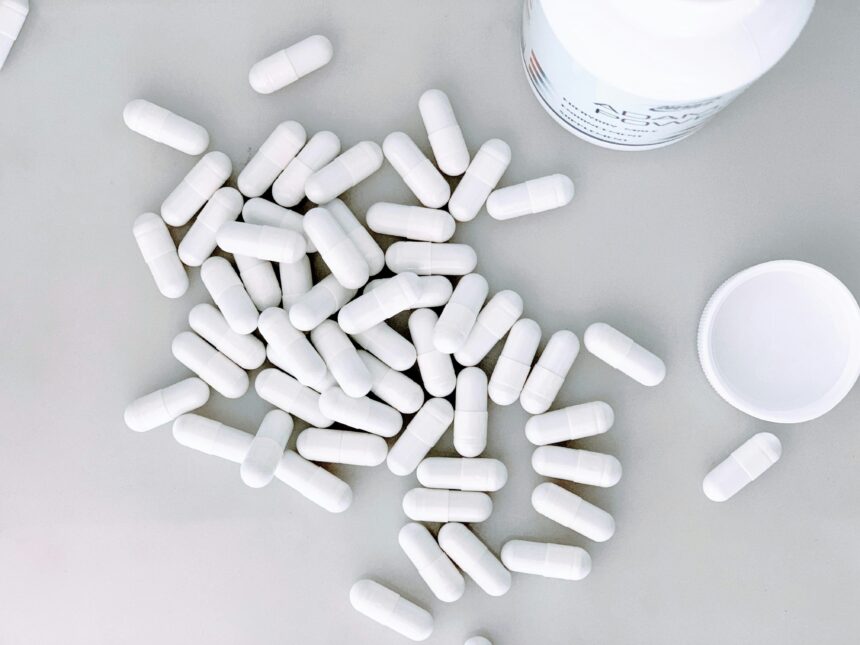
As we navigate the journey of life, our bodies undergo a myriad of changes, and the immune system is no exception. Immunosenescence, the gradual decline of immune function with age, leaves older adults more susceptible to infections, less responsive to vaccinations, and at higher risk for chronic inflammatory conditions. While many factors contribute to this age-related immune decline, mounting evidence points to a crucial micronutrient playing a significant role: zinc. Often overlooked, zinc is a fundamental player in countless biological processes, and its impact on the immune system, particularly as we age, is profound and far-reaching. Understanding this intricate relationship offers a promising avenue for strategies to bolster immune resilience in later life.
The Essential Immune Mineral
Zinc is not just another trace element; it’s an indispensable co-factor for over 300 enzymes and is involved in more than 2,000 transcription factors. Its ubiquity in cellular processes means that even subtle deficiencies can have widespread consequences, especially for rapidly dividing and highly active cells like those of the immune system.
Zinc’s Multifaceted Contributions to Immune Function
Zinc’s impact on the immune system is diverse, influencing both innate and adaptive immunity.
- Innate Immunity: This is our body’s first line of defense, providing immediate, non-specific protection against pathogens. Zinc is critical for the proper functioning of several key innate immune cells.
- Natural Killer (NK) Cells: These cytotoxic lymphocytes are vital for detecting and destroying virally infected cells and tumor cells. Zinc deficiency impairs NK cell activity, reducing their ability to identify and eliminate threats.
- Macrophages and Neutrophils: These phagocytic cells engulf and digest pathogens. Zinc influences their chemotaxis (movement towards infection sites), phagocytic capacity, and ability to produce reactive oxygen species (ROS) – a key mechanism for killing engulfed microbes.
- Barrier Integrity: Zinc plays a role in maintaining the integrity of epithelial barriers, such as those in the skin and gut. These barriers are crucial for preventing pathogen entry into the body.
- Adaptive Immunity: This branch of immunity provides specific and long-lasting protection, “remembering” past encounters with pathogens. Zinc is equally vital here.
- T-Lymphocyte Development and Function: T-cells are central to adaptive immunity, coordinating responses and directly killing infected cells. Zinc is absolutely essential for thymulin production, a hormone secreted by the thymus gland that is critical for T-cell maturation and differentiation. Without adequate zinc, T-cell development is stunted, and their ability to recognize and respond to antigens is compromised. Specifically, zinc deficiency has been linked to a reduction in both CD4+ helper T-cells and CD8+ cytotoxic T-cells.
- B-Lymphocyte Function and Antibody Production: B-cells produce antibodies that neutralize pathogens. Zinc is involved in B-cell proliferation and differentiation into plasma cells, which are responsible for mass-producing antibodies. While less directly impacted than T-cells, severe zinc deficiency can impair antibody responses.
- Cytokine Production: Cytokines are signaling molecules that regulate immune responses. Zinc influences the production and balance of various pro-inflammatory and anti-inflammatory cytokines, playing a role in orchestrating appropriate immune reactions.
Zinc Homeostasis and Immune Regulation
Maintaining optimal zinc levels within cells is crucial. Zinc acts as a signaling molecule itself, participating in various intracellular pathways that control immune cell activation, proliferation, and apoptosis (programmed cell death). Zinc transporters (ZnTs) and metallothioneins (MTs) are key proteins involved in regulating intracellular zinc concentrations. Dysregulation of these systems can lead to impaired immune function, even if overall zinc intake is adequate.
Recent studies have highlighted the crucial role of zinc in modulating immune function and its potential impact on immune aging. For a deeper understanding of how zinc influences the aging process and immune health, you can explore a related article that delves into the connection between micronutrients and aging. To read more, visit this article.
Immunosenescence and Zinc Deficiency
The aging process inherently brings about changes in zinc metabolism and availability, which in turn exacerbates the decline in immune function. This creates a vicious cycle where age-related zinc deficiency contributes to immunosenescence, and a compromised immune system may further impact zinc absorption and utilization.
Increased Risk of Zinc Deficiency in Older Adults
Several factors contribute to the higher prevalence of zinc deficiency in the elderly population.
- Dietary Intake: Older adults often have reduced caloric intake, less varied diets, and sometimes struggle with appetite or chewing difficulties, leading to lower consumption of zinc-rich foods.
- Malabsorption: Age-related changes in the gastrointestinal tract, such as reduced gastric acid production or altered gut microbiome composition, can impair zinc absorption. Certain medications commonly used by older adults (e.g., proton pump inhibitors) can also interfere with absorption.
- Increased Excretion: Chronic inflammatory conditions, which are more common in older age, can lead to increased zinc excretion.
- Comorbidities: Many chronic diseases prevalent in older adults, such as diabetes, kidney disease, and liver disease, can affect zinc metabolism and status.
- Economic Factors: Socioeconomic disadvantages can limit access to nutritious, zinc-rich foods.
How Zinc Deficiency Accelerates Immunosenescence
The impact of inadequate zinc on the aging immune system is profound.
- Thymic Atrophy: The thymus gland, where T-cells mature, begins to involute (shrink) after puberty. Zinc deficiency accelerates this thymic atrophy, leading to a reduced output of new, naive T-cells – a hallmark of immunosenescence. This limits the immune system’s ability to respond to novel pathogens.
- Impaired T-Cell Function: Even the T-cells that do develop are compromised. Zinc deficiency reduces T-cell proliferation, impairs their ability to produce essential cytokines (like IL-2, crucial for T-cell growth), and diminishes their cytotoxic activity.
- Chronic Low-Grade Inflammation (Inflammaging): Zinc is a potent anti-inflammatory agent. Its deficiency contributes to an imbalance in cytokine production, favoring pro-inflammatory cytokines. This chronic, low-grade systemic inflammation, known as “inflammaging,” is a key driver of many age-related diseases and further exacerbates immune dysfunction.
- Increased Oxidative Stress: Zinc is an integral component of antioxidant enzymes like superoxide dismutase (SOD). Zinc deficiency leads to increased oxidative stress, which damages immune cells and contributes to their dysfunction and premature aging.
- Reduced Vaccine Efficacy: Older adults often show a diminished response to vaccinations. Zinc deficiency has been directly linked to poorer antibody responses to vaccines, making them less effective in providing protection.
Zinc’s Therapeutic Potential in Immune Aging
Given its critical role, optimizing zinc status holds significant therapeutic potential for combating immunosenescence and improving health outcomes in older adults.
Dietary Interventions
The primary and most sustainable approach to ensuring adequate zinc intake is through diet.
- Zinc-Rich Foods: Emphasizing foods naturally rich in zinc is crucial. These include:
- Meat: Red meat (beef, lamb), poultry (chicken, turkey)
- Seafood: Oysters are exceptionally high in zinc, but crab, lobster, and fish also provide good amounts.
- Legumes: Lentils, chickpeas, beans
- Nuts and Seeds: Pumpkin seeds, cashews, almonds, sesame seeds
- Whole Grains: Oats, quinoa, brown rice (though phytates can somewhat inhibit absorption, the overall benefit is still high).
- Dairy: Milk, cheese, yogurt
- Dark Chocolate: A tasty, albeit less primary, source.
- Bioavailability Considerations: While many plant-based foods contain zinc, their bioavailability can be affected by phytates, which are compounds found in grains and legumes that bind to minerals and inhibit their absorption. Soaking, sprouting, and fermenting these foods can help reduce phytate content and improve zinc absorption. Combining plant-based zinc sources with animal proteins can also enhance absorption.
Zinc Supplementation
For older adults at risk of deficiency or those with confirmed low zinc levels, supplementation can be a valuable strategy.
- Careful Assessment: Before recommending supplementation, a healthcare professional should assess an individual’s zinc status (e.g., through blood tests) and overall health.
- Appropriate Dosage: The Recommended Dietary Allowance (RDA) for zinc is 11 mg/day for adult men and 8 mg/day for adult women. Supplementation usually involves doses in the range of 15-30 mg/day for therapeutic purposes. High doses of zinc (e.g., >40 mg/day long-term) can interfere with copper absorption and lead to other adverse effects, so moderation is key.
- Forms of Zinc: Various forms of zinc supplements are available, including zinc gluconate, zinc picolinate, zinc citrate, and zinc acetate. While absorption rates may vary slightly, most are effective.
- Monitoring: Regular monitoring is important to ensure optimal levels are achieved without exceeding safe upper limits.
Zinc and Infection Risk in the Elderly
Several studies have demonstrated the protective effect of adequate zinc status against infections in older adults.
- Reduced Incidence of Infections: Zinc supplementation has been shown to reduce the incidence and duration of respiratory tract infections (common colds, flu) and other infections in elderly populations.
- Improved Vaccine Response: Some research indicates that zinc supplementation can improve the immune response to vaccines in older individuals, leading to higher antibody titers.
- Modulating Inflammation: By rebalancing cytokine profiles and boosting antioxidant defenses, zinc helps mitigate the damaging effects of inflammaging, which is a major risk factor for infection and chronic disease in the elderly.
Zinc, Gut Health, and the Microbiome
The gut plays a pivotal role in immunity, acting as a major interface between the body and the external environment. Zinc’s influence on gut health is therefore intrinsically linked to its broader immune functions, especially in aging.
Zinc’s Contribution to Gut Barrier Integrity
- Tight Junctions: Zinc is crucial for maintaining the integrity of the intestinal epithelial barrier. It helps stabilize tight junctions, which are protein complexes that seal the spaces between epithelial cells, preventing the leakage of toxins, undigested food particles, and pathogens from the gut lumen into the bloodstream (a phenomenon often referred to as “leaky gut”).
- Reduced Permeability: By bolstering these tight junctions, adequate zinc reduces intestinal permeability, which is often compromised in older adults and associated with systemic inflammation and immune dysregulation.
Interaction with the Gut Microbiome
The vast community of microorganisms residing in our gut, the microbiome, profoundly impacts immune development and function.
- Modulating Microbial Composition: While research is still emerging, zinc appears to influence the composition and diversity of the gut microbiome. Zinc deficiency can alter the balance of beneficial and pathogenic bacteria. A healthy, diverse microbiome is associated with robust immune function.
- Immune Training by the Microbiome: The gut microbiome constantly interacts with immune cells in the gut-associated lymphoid tissue (GALT), training and shaping the systemic immune response. By supporting gut barrier integrity and a balanced microbiome, zinc indirectly contributes to optimal immune training and reduced inflammatory responses.
- Absorption and Metabolism: The microbiome itself can influence nutrient absorption, including zinc. Conversely, zinc availability can affect the metabolic activities of gut microbes, creating a complex bidirectional relationship.
Zinc and Gut-Associated Lymphoid Tissue (GALT)
The GALT is the largest lymphoid organ in the body, housing a significant proportion of immune cells. Zinc deficiency can impair the development and function of immune cells within the GALT, further compromising local and systemic immune responses. Maintaining adequate zinc levels helps ensure a robust immune presence in the gut, ready to respond to ingested pathogens and antigens.
Recent studies have highlighted the crucial role of zinc in modulating immune aging, suggesting that adequate zinc levels may help bolster the immune response in older adults. This mineral is essential for various cellular functions and has been linked to improved immune system performance. For those interested in exploring more about the relationship between nutrients and brain health, a related article can be found at this link, which delves into how dietary factors influence cognitive aging and overall brain function.
Future Directions and Considerations
While the evidence for zinc’s critical role in immune aging is strong, ongoing research continues to refine our understanding and explore new applications.
Personalized Zinc Interventions
Recognizing that zinc requirements and metabolism can vary among individuals, future research may focus on personalized approaches to zinc supplementation, taking into account genetic factors, dietary habits, comorbidities, and overall health status. Biomarkers for zinc status beyond serum zinc, such as cellular zinc levels or functional assays, may become more routinely available to guide more precise interventions.
Zinc and Chronic Diseases of Aging
Beyond acute infections, immunosenescence and chronic inflammation contribute to the pathogenesis of many age-related chronic diseases, including cardiovascular disease, neurodegenerative disorders, and certain cancers. Exploring zinc’s potential role in mitigating these conditions by modulating immune and inflammatory pathways is a fertile area of research. For example, its antioxidant properties and ability to regulate inflammation suggest a protective role against cellular damage implicated in these diseases.
Interactions with Other Micronutrients
Zinc does not operate in isolation. Its effectiveness can be influenced by the availability of other micronutrients, such as copper (with which it competes for absorption), iron, and vitamins A, C, and D, all of which are also crucial for immune health. Future strategies will likely emphasize a holistic approach to micronutrient sufficiency rather than focusing on single nutrients. Understanding these synergistic and antagonistic relationships is key to developing comprehensive nutritional strategies for healthy aging.
Zinc Toxicity and Safety
While zinc is essential, “more is not always better.” As mentioned, excessive zinc intake can lead to adverse effects, including copper deficiency, gastrointestinal upset, and impaired immune function (ironically). Therefore, responsible supplementation under medical guidance is paramount. Establishing clear guidelines for safe and effective zinc supplementation in older adults remains an important area for public health recommendations.
In conclusion, zinc stands out as a pivotal micronutrient in the intricate symphony of the human immune system, especially as we age. Its widespread involvement in innate and adaptive immunity, coupled with the increased risk of deficiency in older adults, underscores its importance in combating immunosenescence. By ensuring adequate zinc intake, through a nutrient-dense diet and targeted supplementation when necessary, we can empower the aging immune system, enhance resilience against infections, temper chronic inflammation, and ultimately support a healthier, more vibrant later life. Recognizing zinc’s essentiality provides a tangible and accessible strategy in the quest for optimal longevity.
FAQs
What is zinc and its role in immune aging?
Zinc is an essential mineral that plays a crucial role in the functioning of the immune system. It is involved in the development and function of immune cells, and it also has antioxidant properties that help protect against oxidative stress, which can contribute to immune aging.
How does zinc deficiency affect immune aging?
Zinc deficiency can impair immune function, leading to increased susceptibility to infections and a decline in immune response. This can contribute to the process of immune aging, where the immune system becomes less effective at fighting off pathogens and maintaining overall health.
What are the sources of zinc in the diet?
Zinc can be found in a variety of foods, including meat, shellfish, legumes, seeds, nuts, dairy products, and whole grains. It can also be obtained through zinc supplements, although it’s important to consult with a healthcare professional before starting any new supplement regimen.
Can zinc supplementation help with immune aging?
Some research suggests that zinc supplementation may help support immune function and potentially slow down the process of immune aging. However, more studies are needed to fully understand the effects of zinc supplementation on immune aging.
What are the potential risks of excessive zinc intake?
While zinc is important for immune function, excessive intake of zinc can lead to adverse effects, including gastrointestinal issues, reduced immune function, and interference with the absorption of other minerals. It’s important to follow recommended dietary guidelines and consult with a healthcare professional before taking zinc supplements.