


As we journey through life, the desire to age gracefully, maintaining vitality and well-being, becomes increasingly prominent. While the fountain of youth remains a myth, exciting scientific discoveries consistently point to the power of our plates in shaping our future health. On AgingDecoded.com, in our “Nutrition & Longevity Diet” category, we champion an approach deeply rooted in ancient wisdom and modern science: mostly plant-based, Mediterranean-style eating. This isn’t a restrictive diet but a celebratory way of nourishing your body for a vibrant, long life.
The Longevity Blueprint: Lessons from Centenarians and Blue Zones
When we look to communities where people consistently live to 100 and beyond, known as Blue Zones—places like Okinawa, Japan; Sardinia, Italy; Nicoya, Costa Rica; Ikaria, Greece; and Loma Linda, California—a powerful dietary pattern emerges. While each zone has its unique culinary traditions, striking commonalities paint a clear picture of longevity-promoting eating. Their diets are predominantly plant-based, featuring an abundance of vegetables, fruits, legumes, and whole grains. Meat is consumed sparingly, often as a celebratory food.
Common threads across these longevity hotspots include:
- Beans as a staple: From black beans in Nicoya to fava beans in Sardinia, legumes are a cornerstone, providing protein, fiber, and essential micronutrients.
- Leafy greens galore: Dark, leafy greens are packed with vitamins, minerals, and antioxidants, playing a significant role in their daily intake.
- Sweet potatoes and other root vegetables: These provide complex carbohydrates, fiber, and vitamins.
- Nuts and seeds: Rich in healthy fats, fiber, and protein, they are regularly consumed as snacks or incorporated into meals.
- Olive oil: Especially in Mediterranean Blue Zones, extra virgin olive oil is a primary fat source, offering powerful anti-inflammatory benefits.
- Minimal processed foods, refined sugars, and excessive alcohol: This is a universal truth among centenarians. Their food is simple, whole, and close to nature.
These dietary patterns are not just about avoiding disease; they are about actively promoting robust health, cognitive function, and physical resilience well into old age.
The Power of Plants: Fueling Your Cells for the Long Haul
At the heart of the Mediterranean-style, plant-forward approach is an emphasis on whole, unprocessed foods. This translates to a diet rich in a rainbow of vegetables and fruits, which are powerhouses of vitamins, minerals, antioxidants, and phytochemicals.
Beyond Vitamins: The Magic of Phytochemicals
Phytochemicals are naturally occurring compounds in plants that give them their vibrant colors, distinct flavors, and protective properties. When we consume them, these compounds act as powerful allies in our bodies. For instance, the lycopene in tomatoes, indoles in cruciferous vegetables, and flavonoids in berries all possess anti-inflammatory and antioxidant capabilities. These compounds work synergistically to protect our cells from damage caused by free radicals, which contribute to aging and chronic diseases. Eating a diverse array of plant foods ensures a broad spectrum of these beneficial compounds.
Fiber: The Unsung Hero of Gut Health
An often-underestimated component of plant-based eating is fiber. Found abundantly in vegetables, fruits, legumes, and whole grains, fiber is crucial for digestive health. It acts as a prebiotic, feeding beneficial gut bacteria, which in turn produce short-chain fatty acids like butyrate. Butyrate has profound anti-inflammatory effects, strengthens the gut barrier, and is even linked to improved cognitive function and mood regulation. A healthy gut microbiome is increasingly recognized as a cornerstone of healthy aging, influencing everything from immunity to metabolism.
Complex Carbohydrates: Slow and Steady Energy
Unlike refined carbohydrates that cause rapid blood sugar spikes, whole grains (like quinoa, oats, brown rice, and whole-wheat bread) provide complex carbohydrates. These are digested slowly, offering sustained energy, preventing sugar crashes, and helping to maintain stable blood sugar levels. This is particularly important for preventing insulin resistance, a precursor to type 2 diabetes, which accelerates aging and increases the risk of various chronic diseases.
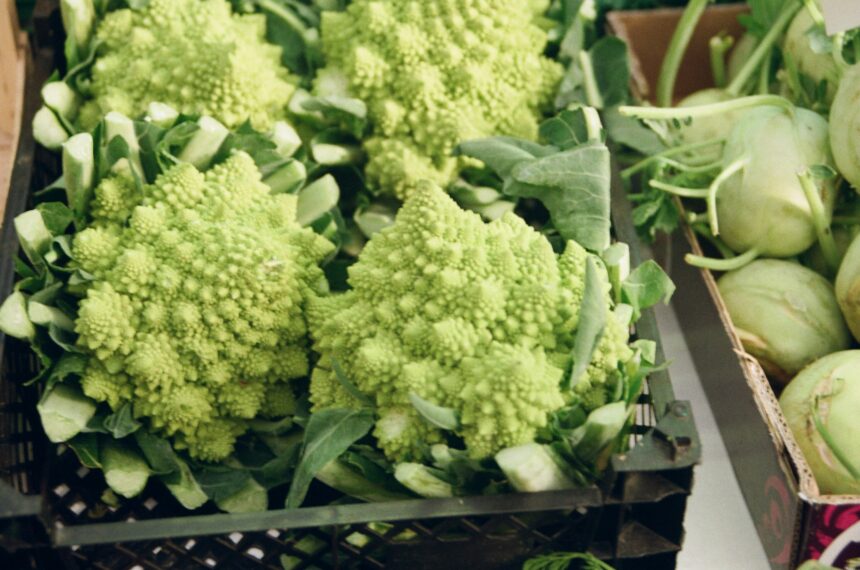
Cruciferous vegetables, such as broccoli, kale, and Brussels sprouts, have garnered attention for their potential benefits in promoting healthy aging. Research suggests that the antioxidants and anti-inflammatory compounds found in these vegetables may help mitigate age-related diseases and support overall longevity. For more insights on the relationship between diet and aging, you can explore this related article on the topic at Aging Decoded.
Navigating Protein Needs in Midlife and Beyond
As we age, our protein needs don’t necessarily decrease; in fact, they may even slightly increase. This is due to anabolic resistance, a phenomenon where older adults require more protein to stimulate muscle protein synthesis. Maintaining muscle mass (sarcopenia) is crucial for mobility, strength, and metabolic health.
Plant-Based Protein Sources: Abundant and Diverse
A plant-forward approach offers a wealth of protein. Legumes (beans, lentils, chickpeas), tofu, tempeh, edamame, nuts, and seeds are excellent sources. Even whole grains and vegetables contribute a significant amount of protein when consumed in sufficient quantities. For example, a bowl of lentil soup with whole-grain bread, a handful of almonds, and a side of leafy greens can easily provide a substantial protein punch.
The Role of Fish: Omega-3s for Brain and Heart
While primarily plant-based, the Mediterranean diet notably includes fish, especially fatty fish like salmon, mackerel, and sardines. These are rich in omega-3 fatty acids, particularly EPA and DHA. These essential fats are powerful anti-inflammatory agents, crucial for brain health, cardiovascular function, and joint health. The focus is on smaller, wild-caught fish, limiting potential mercury exposure. Including fish a few times a week complements the plant-based protein sources beautifully.
Anti-Inflammatory Eating: Quelling the Fires of Aging
Chronic, low-grade inflammation is a silent driver of aging and almost all age-related diseases, including heart disease, cancer, diabetes, and neurodegenerative conditions. The standard Western diet, heavy in processed foods, unhealthy fats, and sugar, fuels this inflammation. The Mediterranean-style, plant-forward diet, however, is inherently anti-inflammatory.
Antioxidants: Your Cellular Shields
The vibrant array of fruits and vegetables in this diet provides a constant supply of antioxidants. These compounds neutralize harmful free radicals, preventing oxidative stress, which is a major contributor to inflammation and cellular damage. Think of colourful berries, dark leafy greens, deep red pomegranates, and bright oranges – each pigment often signifies a unique antioxidant profile.
Healthy Fats: Olive Oil and Beyond
Extra virgin olive oil, a cornerstone of the Mediterranean diet, is rich in monounsaturated fats and polyphenols with powerful anti-inflammatory properties, particularly oleocanthal. Nuts, seeds, and avocados further contribute beneficial fats that help dampen inflammatory responses throughout the body. Conversely, avoiding trans fats and limiting saturated fats found in highly processed foods and red meat reduces pro-inflammatory signals.
Spices and Herbs: Flavorful Medicine
Many common spices and herbs are potent anti-inflammatory agents. Turmeric, ginger, garlic, oregano, and rosemary, frequently used in Mediterranean cuisine, not only enhance flavor but also contribute to the diet’s health-promoting effects. Incorporating a variety of these into your cooking boosts their medicinal impact.
Beyond the Plate: Gut Health and Lifestyle Factors
While food choices are paramount, longevity extends beyond what’s on the plate. How and when we eat also plays a significant role.
Gut Health: The Second Brain Connection
We’ve touched upon fiber’s role in feeding gut bacteria, but the importance of a diverse and thriving gut microbiome cannot be overstated. A balanced gut is linked to stronger immunity, better nutrient absorption, and even improved mental health. Fermented foods like yogurt (unsweetened), kimchi, sauerkraut, and kefir, though not always central to every Blue Zone, can further enhance gut diversity. Avoiding antibiotics unless absolutely necessary and managing stress also contribute to a healthy gut ecosystem.
Fasting and Time-Restricted Eating: Gentle Self-Regulation
Many traditional cultures, including some Blue Zones, incorporate periods of fasting or have naturally occurring time-restricted eating patterns due to later dinners or earlier breakfasts. Intermittent fasting, particularly time-restricted eating (TRE), where food intake is limited to an 8-12 hour window each day, is gaining scientific traction.
TRE doesn’t promote extreme calorie restriction but rather aligns our eating with our body’s natural circadian rhythms. Benefits may include improved insulin sensitivity, enhanced cellular repair processes (autophagy), better weight management, and reduced inflammation. This is not about starvation; it’s about giving your digestive system a break and allowing your body to focus on repair and regeneration. Before embarking on any fasting regimen, it’s always wise to consult with a healthcare professional, especially if you have underlying health conditions or are on medication.
Calorie Density without Extreme Restriction
The Mediterranean-style, plant-heavy diet naturally promotes healthy calorie density. Whole, unprocessed foods, especially vegetables and fruits, are typically high in nutrients and fiber but relatively low in calories. This means you can eat a satisfying volume of food without overconsuming calories.
This approach avoids the extreme restriction often associated with traditional dieting. Instead of focusing on “less,” it emphasizes “more”—more vegetables, more fruits, more whole grains, more healthy fats. This promotes satiety and nutrient sufficiency, making it a sustainable and enjoyable way of eating for the long term, rather than a temporary deprivation.
Cruciferous vegetables, such as broccoli and kale, have been linked to various health benefits, particularly in relation to aging. These nutrient-dense foods are rich in antioxidants and compounds that may help reduce inflammation and support cellular health. For those interested in exploring how diet can influence overall well-being as we age, a related article discusses the Mediterranean diet and its potential to significantly lower the risk of endometriosis. You can read more about this intriguing connection by visiting this article.
How to Eat for Longevity: Realistic Swaps for Over 40
Transitioning to a longevity-focused diet doesn’t require an overnight overhaul. Small, consistent changes can yield significant benefits. Here are 4-6 realistic food and habit swaps for people over 40:
- Swap your sugary breakfast cereal for a bowl of oats with berries, nuts, and seeds. This increases fiber, healthy fats, and antioxidants, stabilizing blood sugar and providing sustained energy.
- Replace highly processed snacks (chips, crackers, sugary bars) with a handful of almonds, walnuts, or an apple with a tablespoon of nut butter. This provides protein, healthy fats, and fiber leading to better satiety and nutrient intake.
- Aim for at least half your plate at lunch and dinner to be vegetables. Focus on variety and color. This simple visual cue drastically increases your intake of vitamins, minerals, and phytochemicals.
- Exchange refined grains (white bread, white pasta) for whole grains (whole wheat, quinoa, brown rice, whole-grain pasta). This boosts fiber and slowly releases energy, supporting blood sugar control.
- Use extra virgin olive oil as your primary cooking fat and in salad dressings. Ditch vegetable oils high in omega-6s, and embrace the anti-inflammatory power of good olive oil.
- Incorporate a meatless meal (or two!) into your week, focusing on legumes. Think lentil soup, bean chili, or chickpea curry. This reduces red meat intake and boosts plant-based protein and fiber.
Embracing a mostly plant-based, Mediterranean-style diet is not about deprivation; it’s about abundance. It’s about celebrating flavorful, nourishing foods that not only taste good but actively work to protect your body and mind as you age. By learning from the patterns of centenarians and leveraging modern science, we can decode the secrets to living a longer, healthier, and more vibrant life.
FAQs
What are cruciferous vegetables?
Cruciferous vegetables are a group of vegetables that belong to the Brassicaceae family, which includes broccoli, cauliflower, cabbage, Brussels sprouts, kale, and bok choy. These vegetables are known for their high nutritional value and potential health benefits.
How do cruciferous vegetables affect aging?
Cruciferous vegetables contain compounds such as sulforaphane, indole-3-carbinol, and glucosinolates, which have been studied for their potential anti-aging effects. These compounds have been shown to have antioxidant and anti-inflammatory properties, which may help protect against age-related diseases and promote healthy aging.
What are the potential health benefits of consuming cruciferous vegetables?
Consuming cruciferous vegetables has been associated with a reduced risk of chronic diseases such as heart disease, certain types of cancer, and age-related cognitive decline. These vegetables are also rich in vitamins, minerals, and fiber, which are important for overall health and well-being.
How much cruciferous vegetables should be consumed for health benefits?
The American Heart Association recommends consuming a variety of fruits and vegetables, including cruciferous vegetables, as part of a healthy diet. It is generally recommended to consume at least 1.5 to 2 cups of cruciferous vegetables per week to reap their potential health benefits.
Are there any potential risks or side effects of consuming cruciferous vegetables?
While cruciferous vegetables are generally considered safe and healthy to consume, some individuals may experience digestive discomfort or gas due to their high fiber content. Additionally, individuals taking certain medications or with thyroid conditions should consult with a healthcare professional before significantly increasing their intake of cruciferous vegetables.