


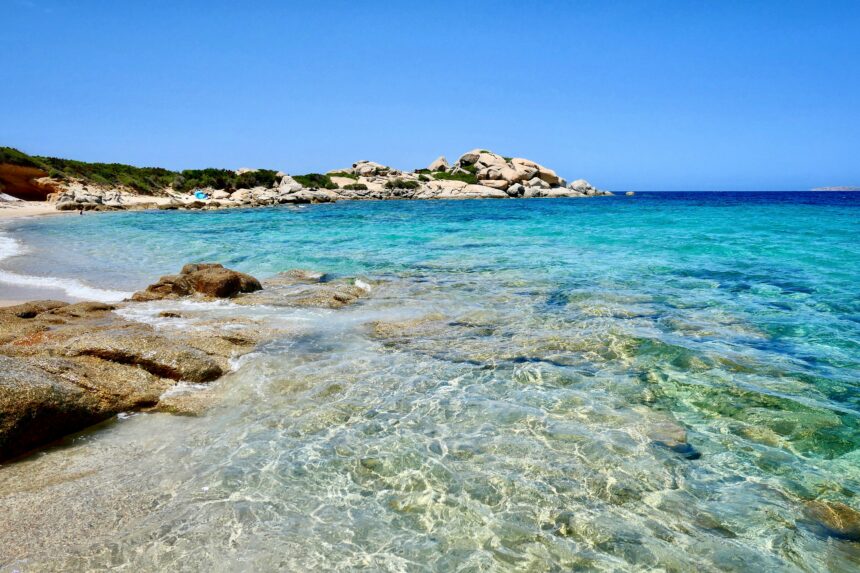
Sardinia, an island of rugged beauty in the Mediterranean, holds a secret many of us are chasing: a longer, healthier life. It’s one of the original “Blue Zones,” places where people routinely live into their nineties and beyond, often with impressive vitality and independence. For AgingDecoded.com, let’s explore how the everyday rhythms of Sardinian life, particularly in the mountainous region of Barbagia, offer a blueprint for thriving as we age. This isn’t about magical elixirs; it’s about the power of consistent, mindful habits deeply woven into their culture.
Sardinia’s Blue Zone isn’t the entire island, but specifically the rugged interior, concentrated around the provinces of Nuoro and Ogliastra. Here, in towns like Seulo, Arzana, Villagrande Strisaili, and Tiana, you’ll find an exceptionally high number of centenarians, particularly men. This geographical clustering points to shared environmental and lifestyle factors, rather than just genetics. Imagine a place where aging isn’t seen as a decline but a natural progression, often accompanied by continued contribution to family and community. That’s the Sardinian reality.
Natural Movement: Life as a Daily Workout
In Sardinia’s Blue Zone, exercise isn’t something scheduled at a gym; it’s simply a byproduct of living. The steep terrain means walking is a constant, uphill battle (literally!). Farmers and shepherds spend their days tending animals, often covering miles on foot, carrying supplies, and performing physical labor. This continuous, low-intensity movement keeps their bodies strong and their hearts healthy.
At Home: Embrace Stairs and Garden Chores
For us, this means finding ways to move naturally throughout the day. At home, choose stairs over elevators, park a little further from the store, and stand more often. If you have a garden, embrace it! Gardening is a fantastic way to engage multiple muscle groups and get fresh air. Even household chores like vacuuming or sweeping can be approached as opportunities for movement.
At Work: Micro-Movements and Walking Meetings
In the office, consider standing desks or taking short walking breaks every hour. Instead of emailing a colleague across the office, walk over and talk to them. Suggest “walking meetings” when appropriate. Every little bit of movement adds up over time, mimicking the constant activity of a Sardinian shepherd.
In Your Neighborhood: Explore on Foot
Instead of driving short distances, walk or bike to your local shops or a friend’s house. Explore local parks and trails. The aim isn’t to train for a marathon, but to integrate consistent, gentle movement into your daily routine, making your neighborhood your personal Blue Zone gym.
Sardinia, known for its remarkable blue zones where residents often live well into their 100s, offers fascinating insights into the secrets of longevity. A related article that explores the importance of mindfulness and brain health, which are crucial components of a healthy lifestyle, can be found at this link. Understanding the connection between mental well-being and longevity can provide a deeper appreciation of the lifestyle choices that contribute to the extraordinary lifespan of Sardinians.
Mostly Plant-Based Eating: The Shepherds’ Simple Feast
The traditional Sardinian diet is surprisingly simple, emphasizing whole, unprocessed foods grown or raised locally. While meat (especially lamb and pork) plays a role, it’s typically consumed sparingly for special occasions. The everyday diet revolves around whole grains, legumes, vegetables from their gardens, and dairy from their sheep and goats. This plant-forward approach is rich in fiber, vitamins, and antioxidants, and low in processed sugars and unhealthy fats.
Pane Carasau, Legumes, and Garden Bounty
Pane carasau, a thin, crispy flatbread made from durum wheat, is a staple. Legumes like chickpeas and fava beans are regularly consumed, providing protein and fiber. And of course, fresh vegetables like tomatoes, zucchini, and wild greens are abundant, often harvested from personal gardens.
At Home: Prioritize Whole Foods and Home Cooking
Start by filling your grocery cart with more vegetables, fruits, whole grains, and legumes. Aim for each meal to have a significant plant component. Cook at home more often; this gives you control over ingredients and portion sizes. Experiment with traditional Mediterranean recipes that are naturally plant-heavy. Think hearty vegetable soups, legume stews, and generous salads.
At Work: Thoughtful Lunches and Smart Snacking
Pack your own lunch to ensure it’s healthy and balanced. Focus on whole-grain options, plenty of vegetables, and a source of plant-based protein like lentils or beans. For snacks, skip the vending machine and opt for fruit, nuts, or vegetable sticks.
In Your Neighborhood: Farmers’ Markets and Community Gardens
Seek out local farmers’ markets for fresh, seasonal produce. If available, consider joining a community garden or even planting a small herb or vegetable garden at home. This not only provides healthy food but also connects you to your food source and encourages natural movement.
Stress Downshifting: The Pace of Island Life

Sardinians have a remarkable ability to downshift and de-stress. While life isn’t without its challenges, there’s a cultural emphasis on taking time to relax, connect, and enjoy the moment. The “siesta” culture, though perhaps less formal than in other Mediterranean regions, reflects a deep understanding of the importance of rest and recovery. They don’t let stress accumulate; they actively manage it.
The Power of the Afternoon Rest and Social Connection
It’s common for shops to close in the early afternoon, allowing for a break, a meal with family, or simply a pause before resuming activities. This isn’t laziness; it’s a built-in stress management tool. Evenings are often spent socializing with neighbors or family, further reducing isolation and associated stress.
At Home: Build in Rest and Recharge Times
Schedule intentional breaks during your day. This could be a short nap, reading a book, listening to music, or simply sitting quietly with a cup of tea. Disconnect from screens for periods, especially before bed. Prioritize getting enough sleep; it’s one of the most powerful stress relievers.
At Work: Mindful Breaks and Boundary Setting
Take short, mindful breaks away from your desk. Step outside for a few minutes, stretch, or practice deep breathing. Learn to set boundaries and say “no” when necessary to protect your mental well-being. Don’t let work consume your entire day; mentally “clock out” when your workday is done.
In Your Neighborhood: Community and Nature
Spend time in nature – a park, a local trail, even your backyard. Connect with neighbors; a simple chat can do wonders for stress reduction. Consider joining a local club or volunteer group to foster a sense of community and purpose.
Strong Family and Social Ties: The Fabric of Life

Perhaps the most potent ingredient in the Sardinian longevity recipe is their incredibly strong family and social bonds. Families are tight-knit, multi-generational, and live in close proximity. Elders are revered, cared for, and remain integral parts of the household and community. This social safety net provides psychological support, reduces loneliness, and offers practical assistance.
Respect for Elders and Community Engagement
Grandparents often play active roles in raising grandchildren, sharing wisdom and stories, and helping with daily tasks. Community events, religious festivals, and daily gatherings at local squares or cafes reinforce these ties, ensuring no one is left isolated.
At Home: Nurture Family Connections
Prioritize spending quality time with family, whether it’s daily meals, regular phone calls, or shared activities. Involve elderly family members in decision-making and daily life. Create traditions that bring generations together. Even if family is far, make an effort to connect consistently.
At Work: Foster Positive Relationships
Cultivate positive relationships with colleagues. A supportive work environment can significantly reduce stress and enhance well-being. Engage in team-building activities and offer support to others.
In Your Neighborhood: Be an Active Member
Introduce yourself to your neighbors. Offer help when needed and accept it when offered. Participate in local community events, volunteer, or join clubs that align with your interests. Building a local support network can provide a sense of belonging and practical help as you age.
Sardinia is renowned for its unique lifestyle and longevity, often highlighted in discussions about blue zones, where people live significantly longer than average. For those interested in exploring this fascinating topic further, you can find a wealth of information in a related article that delves into the secrets of longevity and well-being. Discover more about these remarkable regions and the lifestyle choices that contribute to their inhabitants’ long lives by visiting this article.
Purpose (Nuoro’s Special Ingredient): A Reason to Wake Up
| Location | Population | Life Expectancy | Diet |
|---|---|---|---|
| Sardinia, Italy | Approximately 1.6 million | Average of 90 years | High in whole grains, vegetables, and olive oil |
In Sardinia’s Blue Zone, people don’t retire from life; they shift their focus. Many continue to contribute to their families and communities well into their advanced years. This unwavering sense of purpose, of being needed and valued, is a powerful motivator for living. Whether it’s tending a garden, watching grandchildren, or maintaining social connections, having a “reason to wake up” each morning is fundamental.
Keeping Busy and Contributing
Sardinian centenarians often remain physically and mentally active, performing daily chores, engaging in conversations, and maintaining their land or animals. Their contributions, no matter how small, give them a sense of meaning and identity.
At Home: Engage in Meaningful Hobbies
Identify activities you love and make time for them – whether it’s reading, painting, gardening, learning a new language, or cooking. These hobbies give your days structure and joy, and foster a sense of accomplishment.
At Work: Find Meaning in Your Daily Tasks
Even if your job isn’t your ultimate passion, try to find meaning in your daily tasks. Understand how your work contributes to the bigger picture. Seek opportunities to learn new skills or mentor junior colleagues.
In Your Neighborhood: Volunteer and Connect
Volunteer for a cause you care about. Share your skills and experience with others in your community. Join local groups or clubs that align with your passions. Contributing to something larger than yourself provides immense satisfaction and a deep sense of purpose.
Sleep: The Unsung Hero of Longevity
While not as overtly unique as other Blue Zone habits, Sardinians, like other Blue Zone inhabitants, generally prioritize adequate sleep. The natural rhythms of rural life, often tied to sunrise and sunset, and reduced exposure to artificial light at night, contribute to better sleep hygiene. The afternoon rest further supplements nighttime sleep, promoting overall physical and mental restoration.
Consistent Sleep Patterns and Afternoon Naps
A consistent sleep schedule, going to bed and waking up around the same time each day, is common. The afternoon rest, whether a nap or simply a period of quiet relaxation, helps mitigate sleep debt and provides a crucial restorative break.
At Home: Create a Sleep Sanctuary
Prioritize 7-9 hours of quality sleep each night. Establish a relaxing bedtime routine. Make your bedroom dark, quiet, and cool. Avoid screens (phones, tablets, TVs) at least an hour before bed. Consider a short nap (20-30 minutes) if your schedule allows and it doesn’t interfere with nighttime sleep.
At Work: Manage Your Energy, Not Just Your Time
Be mindful of caffeine intake, especially in the afternoon. Step away from your computer during breaks to give your eyes and mind a rest, helping to prevent mental fatigue that can disrupt sleep later.
In Your Neighborhood: Embrace Natural Light and Darkness
Maximize exposure to natural light during the day to regulate your circadian rhythm. Conversely, minimize artificial light exposure in the evenings, especially bright blue light from devices, to signal to your body that it’s time to prepare for sleep.
Moderate Alcohol (Cannonau’s Charm): A Social Ritual
In Sardinia’s Blue Zone, along with other Blue Zones, moderate alcohol consumption is observed, particularly of Cannonau wine. This local red wine, made from Garnacha grapes, is rich in antioxidants. It’s consumed regularly, but in moderation, usually with meals and in social settings, rather than for intoxication.
Antioxidants and Social Connection
The benefits here come not just from the potential antioxidants in the wine but also from the way it’s consumed: slowly, with food, and as part of a social ritual. This practice can enhance connection and relaxation, contributing to overall well-being.
At Home: Mindful Consumption and Red Wine over Hard Liquor
If you choose to drink, opt for red wine (like Cannonau or similar varieties) in moderation – 1-2 small glasses per day for men, 1 for women, usually with a meal. Focus on savoring the taste and the company, not on quantity. Avoid excessive drinking and hard liquors.
At Work: Abstinence is Key
Workplaces are generally not the place for alcohol consumption. Maintain professionalism and focus on your tasks.
In Your Neighborhood: Social Settings, Not Solitary Drinking
If enjoying a drink, do so in a social setting with friends or family. This reinforces community ties and prevents isolated, potentially unhealthy drinking habits. Remember, the true “Blue Zone” benefit isn’t the alcohol itself, but everything that surrounds its moderate consumption.
How to Start Living More Like a Blue Zone
Embracing the Sardinian way of life doesn’t require moving to the Mediterranean. It’s about integrating simple, powerful habits into your daily routine. Here are 3-5 realistic actions you can take:
- Walk More, Sit Less: Make walking your default mode of transportation for short distances. Take regular breaks to stand and move at home and work. Aim for at least 30 minutes of intentional walking a day, but also look for opportunities to weave movement into daily tasks.
- Fill Your Plate with Plants: For every meal, ensure a significant portion consists of vegetables, fruits, whole grains, and legumes. Experiment with cooking new plant-based recipes or simply add an extra serving of vegetables to your existing dishes.
- Prioritize Connection and Purpose: Reach out to family and friends regularly. Dedicate time each week to connecting with loved ones and engaging in activities that bring you joy and a sense of contribution, whether through hobbies or volunteering.
- Schedule Daily “Downshift” Time: Intentionally block out 15-30 minutes each day for quiet reflection, meditation, reading, or simply relaxing without screens. This small break can significantly reduce accumulated stress.
- Revere Your Sleep: Commit to a consistent sleep schedule and create a calming bedtime routine. Ensure your bedroom is a sanctuary for rest, free from distractions. A well-rested body and mind are foundational for longevity.
By adopting these everyday principles, you too can begin to decode the secrets of Sardinia’s Blue Zone and cultivate a path towards a longer, healthier, and more fulfilling life, no matter where you live.
FAQs
What are Blue Zones?
Blue Zones are regions of the world where people live much longer than average. These areas have been studied for their high concentration of centenarians and low rates of chronic diseases.
Where is Sardinia and why is it considered a Blue Zone?
Sardinia is an Italian island in the Mediterranean Sea. It is considered a Blue Zone due to its high number of centenarians and low rates of age-related diseases. The lifestyle and diet of the Sardinian people are believed to contribute to their longevity.
What are some key factors contributing to the longevity of Sardinian people?
Some key factors contributing to the longevity of Sardinian people include a traditional diet rich in whole grains, legumes, and vegetables, strong social connections and community support, regular physical activity from daily chores and walking, and a sense of purpose and meaning in life.
How does the lifestyle in Sardinia differ from other regions?
The lifestyle in Sardinia differs from other regions in that the people have a strong sense of community and family ties, they engage in regular physical activity through daily chores and walking, and they follow a traditional diet that is rich in plant-based foods and low in processed foods.
What can we learn from the Blue Zones, such as Sardinia, to improve our own health and longevity?
We can learn from the Blue Zones, such as Sardinia, to improve our own health and longevity by adopting a plant-based diet, prioritizing social connections and community involvement, engaging in regular physical activity, and finding a sense of purpose and meaning in our lives.