


For more than a decade, numerous studies have explored the impact of what we eat on how we age. There is now a clear consensus across the scientific and medical community that aging is not a process beyond our control. This is the good news! What constitutes a healthy aging diet? Here at Aging Decoded in our “Nutrition & Longevity Diet” category, we believe that simple, science-aware information should be available to everyone because making healthy, informed choices is what will allow you to make the most of your later years.
So, let’s dive into the fascinating world of how a plant-predominant, Mediterranean-style eating pattern can be a powerful ally in your journey towards healthy aging. Think of it as a delicious roadmap for longevity, drawing inspiration from communities where living to 100 and beyond is not an anomaly, but a beautiful reality.
The Mediterranean Secret: A Foundation for Longevity
When we talk about “Mediterranean-style eating,” we’re not just referring to a cuisine; we’re talking about a lifestyle. This dietary pattern, deeply rooted in the traditions of countries bordering the Mediterranean Sea, emphasizes whole, unprocessed foods. Imagine vibrant plates bursting with color: an abundance of vegetables and fruits, hearty legumes (beans, lentils), wholesome grains (oats, brown rice, quinoa), a rainbow of nuts and seeds, and the golden elixir of olive oil. Fish, especially fatty fish rich in omega-3s, features regularly, while processed foods, added sugars, refined carbohydrates, and excessive alcohol are kept to a minimum.
This isn’t about rigid rules or deprivation; it’s about shifting your focus towards nutrient-dense, health-promoting foods. The science behind its benefits is robust, demonstrating its positive impact on cardiovascular health, cognitive function, and overall vitality as we age.
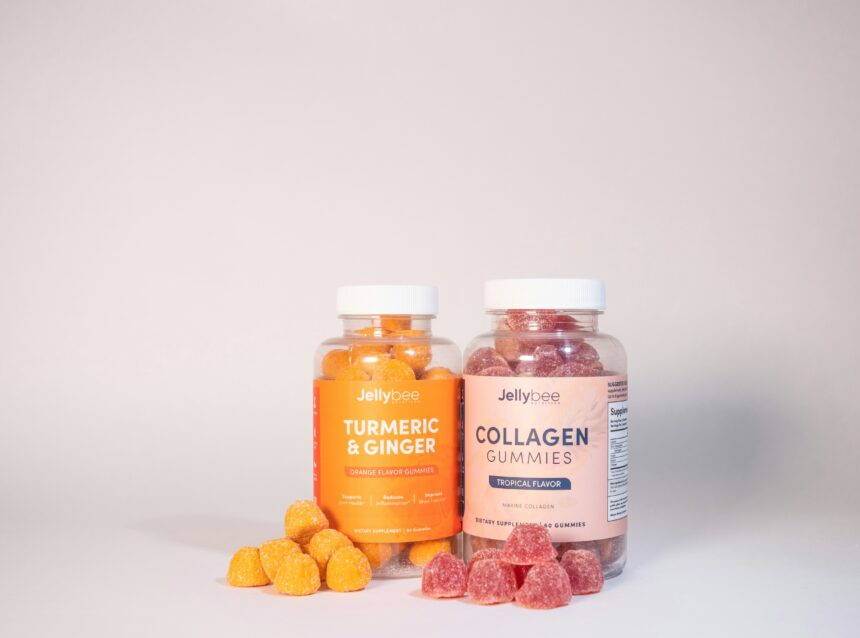
Recent studies have highlighted the potential benefits of turmeric curcumin in combating the signs of aging, showcasing its powerful antioxidant properties that may help protect skin cells from damage. For those interested in exploring more about how lifestyle changes can impact aging, you might find this article on new pickleball courts in Hyde Park and Irving Park particularly engaging, as it discusses the importance of physical activity in promoting overall health and longevity. You can read the article here: New Pickleball Courts Coming to Hyde Park and Irving Park.
Lessons from Centenarians and Blue Zones
The concept of “Blue Zones” – areas where people live measurably longer, healthier lives – offers compelling evidence for the power of dietary patterns. These include Okinawa (Japan), Sardinia (Italy), Nicoya (Costa Rica), Icaria (Greece), and Loma Linda (California). While culturally diverse, a striking commonality among these populations is their predominantly plant-based diets.
- Beans and Legumes: A cornerstone of Blue Zone diets, beans (black beans in Nicoya, fava beans in Sardinia) are an excellent source of protein, fiber, and various micronutrients. They contribute to gut health, stabilize blood sugar, and provide sustained energy.
- Leafy Greens: From spinach in Icaria to collard greens in Loma Linda, leafy greens are micronutrient powerhouses, packed with vitamins, minerals, and antioxidants that combat oxidative stress – a key driver of aging.
- Sweet Potatoes: Especially prominent in Okinawa, sweet potatoes provide complex carbohydrates, fiber, and a wealth of vitamins, making them a cornerstone of their long and healthy lives.
- Nuts and Seeds: A consistent feature across Blue Zones, nuts and seeds offer healthy fats, protein, and various beneficial compounds that support heart health and reduce inflammation.
These observations aren’t just anecdotal; they’re patterns that scientists have painstakingly documented, providing real-world examples of how food choices directly correlate with longevity.
Building Blocks for Healthy Aging: Key Nutritional Concepts
Understanding a few key nutritional concepts can empower you to make informed decisions for your longevity journey. It’s not just what you eat, but how these foods interact with your body that matters.
Protein Power in Midlife and Beyond
As we age, our bodies become less efficient at utilizing protein to build and maintain muscle mass, a phenomenon known as sarcopenia. This age-related muscle loss can significantly impact strength, mobility, and overall quality of life. Therefore, ensuring adequate protein intake in midlife and beyond becomes crucial.
- Why Protein Matters: Protein is essential not only for muscle maintenance but also for enzyme production, hormone regulation, and immune function. Prioritizing protein helps preserve muscle mass, which in turn supports metabolism, bone health, and prevents falls.
- Optimal Sources: While animal protein can be a source, a plant-predominant diet offers fantastic protein options. Think legumes (lentils, chickpeas, black beans), nuts, seeds, tofu, tempeh, and whole grains. Fish, especially fatty fish like salmon and mackerel, also provides high-quality protein along with beneficial omega-3s.
- Distribution is Key: Instead of consuming most of your protein in one large meal, try to distribute your protein intake throughout the day (e.g., 20-30 grams per meal) to optimize muscle protein synthesis.
Anti-Inflammatory Eating: Quenching the Flames of Aging
Chronic low-grade inflammation is a silent, pervasive force that contributes to many age-related diseases, including heart disease, diabetes, certain cancers, and neurodegenerative conditions. The good news is that your diet can be a powerful anti-inflammatory tool.
- Foods that Fight Inflammation: The Mediterranean-style diet is inherently anti-inflammatory. It’s rich in antioxidants from fruits and vegetables, healthy fats (monounsaturated from olive oil, polyunsaturated from nuts, seeds, and fish), and fiber from whole grains and legumes. These compounds work synergistically to reduce inflammatory markers in the body.
- Foods that Fuel Inflammation: Conversely, foods high in refined sugars, trans fats (found in many processed foods), and excessive omega-6 fatty acids (common in highly processed vegetable oils) can promote inflammation. Limiting these is as important as emphasizing their anti-inflammatory counterparts.
- The Gut-Inflammation Connection: A healthy gut microbiome (the community of bacteria in your intestines) plays a vital role in regulating inflammation. A diverse, plant-rich diet feeds beneficial gut bacteria, which in turn produce short-chain fatty acids that have anti-inflammatory effects.
Gut Health: Your Second Brain, Your Longevity Ally
The trillions of microorganisms residing in your gut (your microbiome) are far more influential than we once imagined. They impact digestion, nutrient absorption, immune function, mood, and even your susceptibility to age-related diseases. Nurturing a healthy gut is paramount for longevity.
- Fiber is Your Friend: The cornerstone of gut health is dietary fiber, abundant in vegetables, fruits, legumes, nuts, seeds, and whole grains. Fiber acts as a prebiotic, feeding the beneficial bacteria, which then produce beneficial compounds. Aim for a wide variety of plant foods to encourage a diverse microbiome.
- Probiotic-Rich Foods: Incorporating fermented foods like unsweetened yogurt, kefir, sauerkraut, kimchi, and tempeh can introduce beneficial bacteria directly into your gut.
- Avoiding Gut Disruptors: Excessive sugar, artificial sweeteners, processed foods, and certain medications (like long-term antibiotic use without probiotic support) can disrupt the delicate balance of your gut microbiome.
Fasting and Time-Restricted Eating: Gentle Approaches to Cellular Repair
Intermittent fasting (IF) and time-restricted eating (TRE) are dietary patterns that involve cycling between periods of eating and voluntary fasting. While not for everyone, and it’s always advisable to consult with a healthcare professional, these approaches have garnered attention for their potential longevity benefits.
- Cellular Repair Mechanisms: During periods of fasting, the body can switch to burning stored fat for energy and initiate cellular repair processes, such as autophagy (the body’s way of cleaning out damaged cells to regenerate newer, healthier cells).
- Insulin Sensitivity and Metabolism: TRE can improve insulin sensitivity, which is crucial for blood sugar regulation and preventing metabolic diseases often associated with aging. It can also help optimize hormone levels.
- Avoiding Extreme Restriction: The emphasis here is on time-restricted eating, not extreme caloric restriction. This often means consolidating your daily meals into an 8-10 hour window and allowing a 14-16 hour fasting period overnight. This can be as simple as finishing dinner by 7 PM and not eating again until 9 or 10 AM. It’s a sustainable approach for many and supports the body’s natural circadian rhythms.
Recent studies have highlighted the potential of turmeric curcumin in combating the signs of aging, thanks to its powerful anti-inflammatory and antioxidant properties. This natural compound may help improve skin elasticity and reduce the appearance of wrinkles, making it a popular choice for those seeking to maintain a youthful appearance. For further insights on how dietary choices can influence overall wellness and longevity, you might find this article on a heart-healthy Mediterranean diet particularly interesting. It explores various nutritional strategies that can complement the benefits of turmeric curcumin in promoting a healthier, more vibrant life. You can read more about it here.
Calorie Density: Maximizing Nutrients, Minimizing Empty Calories
Calorie density refers to the number of calories in a given amount of food. Focusing on foods with low calorie density but high nutrient density is a smart strategy for healthy aging. This allows you to eat satisfying portions while still consuming a wealth of vitamins, minerals, fiber, and antioxidants, without excessive calories.
- Prioritize Whole Foods: Vegetables and fruits are excellent examples of low-calorie density, high-nutrient density foods. You can eat large volumes of these, feel full, and gain a tremendous amount of nutritional benefit without over-consuming calories.
- The Trap of Processed Foods: Conversely, processed foods, refined carbohydrates, and sugary drinks are often high in calorie density but low in nutrients. They provide “empty calories” that can lead to weight gain, inflammation, and nutrient deficiencies.
- Satiety and Weight Management: Eating foods lower in calorie density naturally promotes satiety (the feeling of fullness), which helps with weight management – a critical factor in healthy aging. Carrying excess weight contributes to chronic inflammation and increases the risk of numerous age-related diseases. This approach encourages mindful eating rather than restrictive calorie counting.
Making the Shift: How to Eat for Longevity (Especially After 40)
For those over 40, small, consistent changes can yield significant longevity benefits. It’s not about an overnight overhaul, but a gradual and sustainable shift towards a more health-promoting eating pattern. Here are 4-6 realistic food and habit swaps:
- Swap Your Morning Toast for a Berry & Nut-Loaded Oatmeal: Instead of refined white bread or sugary cereals, choose whole rolled oats topped with a generous handful of mixed berries (rich in antioxidants), a sprinkling of walnuts or almonds (healthy fats, protein), and a dash of chia or flax seeds (fiber, omega-3s). This provides sustained energy, fiber, and critical micronutrients.
- Replace Processed Snacks with Veggies, Hummus, or Fruit: Instead of chips, cookies, or sugary granola bars, reach for a crunchy apple with a spoonful of almond butter, carrot sticks with homemade hummus, or a small handful of unsalted nuts. These options are satisfying, nutrient-dense, and support gut health.
- Upgrade Your Lunchtime Salad with Legumes and Healthy Fats: Rather than a meager side salad or a deli sandwich, build a substantial main-course salad. Add a cup of cooked lentils or chickpeas, a quarter of an avocado, a generous drizzle of extra virgin olive oil, and a mix of leafy greens, colorful vegetables, and perhaps some grilled salmon or leftover baked chicken.
- Choose Whole Grains Over Refined Grains: Make a conscious effort to swap white rice for brown rice or quinoa, white pasta for whole-wheat pasta, and white bread for 100% whole grain bread. These simple changes dramatically increase your fiber intake and help stabilize blood sugar.
- Prioritize Plant-Based Meals 2-3 Times a Week: You don’t have to go fully vegetarian overnight. Start by dedicating a couple of days a week to plant-only meals. Think lentil soup, black bean tacos, chickpea curry, or a hearty vegetable stir-fry. This boosts your intake of diverse plant foods and fiber.
- Embrace Early Dinners and a Longer Overnight Fast: Try to finish your last meal of the day a bit earlier, perhaps by 7 PM, and avoid snacking afterward. Aim for a 12-14 hour overnight fast. This simple habit can improve digestion, support cellular repair, and help regulate your metabolism without feeling overly restrictive.
Adopting a mostly plant-based, Mediterranean-style eating pattern isn’t just about adding years to your life; it’s about adding life to your years. It’s a delicious, sustainable, and scientifically supported path to vibrant health and graceful aging. By making conscious, informed food choices, you are actively investing in your future self, ensuring you have the energy, vitality, and cognitive function to enjoy every stage of your life.
FAQs
What is turmeric curcumin?
Turmeric curcumin is a natural compound found in the root of the turmeric plant. It is known for its anti-inflammatory and antioxidant properties.
How does turmeric curcumin help with anti-aging?
Turmeric curcumin has been shown to have anti-aging effects due to its ability to reduce inflammation, protect against oxidative stress, and promote healthy cellular function.
What are the potential benefits of turmeric curcumin for anti-aging?
Some potential benefits of turmeric curcumin for anti-aging include improved skin health, reduced risk of age-related diseases, and enhanced cognitive function.
Are there any potential side effects of turmeric curcumin?
While turmeric curcumin is generally considered safe, some people may experience side effects such as digestive issues or allergic reactions. It is important to consult with a healthcare professional before taking turmeric curcumin supplements.
How can turmeric curcumin be incorporated into an anti-aging regimen?
Turmeric curcumin can be incorporated into an anti-aging regimen through dietary sources such as adding turmeric to dishes or through supplementation with turmeric curcumin capsules or powders.