


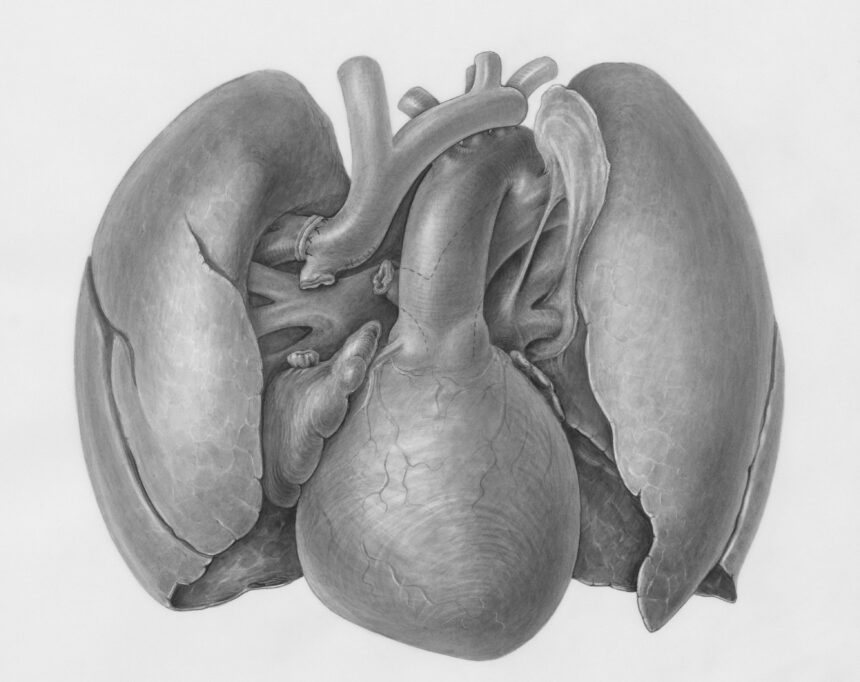
The liver is one of the most vital organs in the human body, playing a crucial role in maintaining overall health and well-being. It is responsible for a multitude of functions, including detoxification, metabolism, and the production of essential proteins. As we age, the liver’s efficiency can decline, making it increasingly important to prioritize liver health. Understanding the significance of this organ can empower individuals to take proactive steps in safeguarding their liver function, ultimately contributing to a longer, healthier life.
Maintaining liver health is not just about avoiding disease; it is also about optimizing the body’s natural processes. A healthy liver aids in digestion by producing bile, which helps break down fats and absorb nutrients. It also regulates blood sugar levels, stores vitamins and minerals, and plays a key role in blood clotting. By recognizing the importance of liver health, individuals can make informed choices that support this essential organ and enhance their overall quality of life.
Maintaining liver health is crucial for longevity, as the liver plays a vital role in detoxification, metabolism, and overall bodily function. For those interested in exploring more about the connection between liver health and aging, a related article can be found at Aging Decoded, which discusses various factors that influence longevity and how lifestyle choices can impact liver function.
The Role of the Liver in the Body
The liver is often referred to as the body’s chemical factory due to its extensive range of functions. It processes nutrients absorbed from the digestive tract, converting them into substances that the body can use for energy or storage. Additionally, the liver is responsible for metabolizing medications and detoxifying harmful substances, ensuring that toxins are efficiently eliminated from the body. This multifaceted role underscores the liver’s importance in maintaining homeostasis and overall health.
Moreover, the liver plays a significant role in regulating cholesterol levels and synthesizing proteins necessary for various bodily functions. It produces albumin, which helps maintain blood volume and pressure, and clotting factors that are essential for wound healing. The liver also stores glycogen, which can be converted back into glucose when energy is needed. Given its central role in numerous physiological processes, it is clear that a healthy liver is fundamental to overall well-being.
Common Causes of Liver Damage

Several factors can contribute to liver damage, with some being more prevalent than others. One of the most common causes is excessive alcohol consumption, which can lead to alcoholic liver disease. Chronic alcohol abuse can result in inflammation, fatty liver, and eventually cirrhosis if not addressed. Additionally, non-alcoholic fatty liver disease (NAFLD) has become increasingly common, often linked to obesity and metabolic syndrome. This condition occurs when excess fat builds up in the liver without alcohol being a contributing factor.
Other causes of liver damage include viral infections such as hepatitis A, B, and C, which can lead to chronic inflammation and long-term complications. Certain medications and toxins can also harm the liver if taken inappropriately or over extended periods. Furthermore, autoimmune diseases can cause the body’s immune system to attack liver cells, leading to damage. Understanding these common causes is essential for individuals to take preventive measures and seek timely medical advice when necessary.
Signs and Symptoms of Liver Dysfunction

Recognizing the signs and symptoms of liver dysfunction is crucial for early intervention and treatment. Some individuals may experience fatigue, weakness, or unexplained weight loss as initial indicators of liver issues. Other symptoms may include jaundice, characterized by yellowing of the skin and eyes due to elevated bilirubin levels. Swelling in the abdomen or legs can also occur as a result of fluid retention caused by impaired liver function.
In addition to these physical symptoms, changes in appetite or digestive issues such as nausea and vomiting may signal underlying liver problems. It is important to note that some individuals may not exhibit noticeable symptoms until significant damage has occurred. Therefore, regular check-ups and screenings are vital for early detection and management of potential liver issues.
Maintaining liver health is crucial for promoting longevity and overall well-being, as the liver plays a vital role in detoxification and metabolism. A recent article explores the connection between liver function and aging, highlighting how lifestyle choices can significantly impact liver health over time. For more insights on this important topic, you can read the full article on youth and longevity here. By understanding the factors that influence liver health, individuals can take proactive steps to enhance their vitality as they age.
Diet and Nutrition for Liver Health
| Metrics | Healthy Range |
|---|---|
| ALT (Alanine Aminotransferase) | 7-56 units per liter |
| AST (Aspartate Aminotransferase) | 10-40 units per liter |
| Albumin | 3.5-5.0 grams per deciliter |
| Bilirubin | 0.1-1.2 milligrams per deciliter |
| Prothrombin Time | 11-13.5 seconds |
| Healthy Lifestyle Factors | Regular exercise, balanced diet, limited alcohol consumption |
A balanced diet plays a pivotal role in supporting liver health and function. Consuming a variety of nutrient-dense foods can help reduce the risk of liver disease and promote optimal functioning. Foods rich in antioxidants, such as fruits and vegetables, can help combat oxidative stress and inflammation in the liver. Leafy greens like spinach and kale are particularly beneficial due to their high chlorophyll content, which aids in detoxification.
Incorporating healthy fats from sources like avocados, nuts, and olive oil can also support liver function by promoting healthy cholesterol levels. Additionally, whole grains provide essential fiber that aids digestion and helps maintain stable blood sugar levels. Limiting processed foods high in sugar and unhealthy fats is equally important, as these can contribute to fatty liver disease and other complications.
Lifestyle Changes to Support Liver Function
Making positive lifestyle changes can significantly impact liver health over time. One of the most effective ways to support liver function is by maintaining a healthy weight through balanced nutrition and regular physical activity. Obesity is a major risk factor for developing fatty liver disease; therefore, adopting a lifestyle that promotes weight management is essential.
In addition to diet and exercise, managing stress levels is crucial for overall health, including liver function. Chronic stress can lead to unhealthy coping mechanisms such as overeating or alcohol consumption, both of which can negatively affect the liver. Engaging in relaxation techniques such as yoga, meditation, or deep breathing exercises can help mitigate stress and promote a healthier lifestyle.
Natural Remedies and Supplements for Liver Support
Many individuals seek natural remedies and supplements to support liver health alongside conventional treatments. Milk thistle is one such herb that has gained popularity for its potential protective effects on the liver due to its active compound, silymarin. Research suggests that milk thistle may help reduce inflammation and promote cell regeneration in the liver.
Other natural supplements that may benefit liver health include turmeric, which contains curcumin known for its anti-inflammatory properties, and dandelion root, which is believed to aid digestion and detoxification. However, it is essential to consult with a healthcare professional before starting any new supplements to ensure they are appropriate for individual health needs.
Exercise and Liver Health
Regular physical activity is a cornerstone of maintaining overall health, including supporting liver function. Engaging in aerobic exercises such as walking, jogging, or cycling can help improve circulation and promote healthy blood flow to the liver. Exercise also aids in weight management, reducing the risk of developing fatty liver disease.
Strength training exercises are equally important as they help build muscle mass and improve metabolism. Incorporating a mix of aerobic and strength training activities into one’s routine can provide comprehensive benefits for both physical fitness and liver health. Aim for at least 150 minutes of moderate-intensity exercise each week to reap these benefits.
Avoiding Harmful Substances for Liver Longevity
To promote long-term liver health, it is crucial to avoid harmful substances that can lead to damage over time. Limiting alcohol consumption is one of the most significant steps individuals can take to protect their livers. If alcohol is consumed, moderation is key; understanding personal limits can help prevent potential harm.
Additionally, avoiding illicit drugs and being cautious with over-the-counter medications is essential for maintaining liver health. Some medications can be toxic to the liver if taken excessively or without proper guidance from a healthcare professional. Furthermore, minimizing exposure to environmental toxins such as pesticides or industrial chemicals can also contribute to better liver health.
Regular Liver Health Check-ups and Screenings
Regular check-ups with a healthcare provider are vital for monitoring liver health, especially for individuals over 40–50 years old or those with risk factors for liver disease. Blood tests that assess liver function—such as measuring enzymes like ALT (alanine aminotransferase) and AST (aspartate aminotransferase)—can provide valuable insights into how well the liver is functioning.
Screenings for viral hepatitis are also important for those at risk or with a family history of liver disease. Discussing any concerns with a healthcare provider can lead to personalized recommendations regarding testing frequency based on individual health status and risk factors.
Seeking Professional Help for Liver Health Optimization
When it comes to optimizing liver health, seeking professional guidance is essential. Healthcare providers can offer tailored advice based on individual medical history, lifestyle factors, and specific health concerns. They may recommend additional tests or screenings if there are signs of potential issues or if an individual has risk factors for liver disease.
In addition to routine check-ups, working with a registered dietitian or nutritionist can provide valuable insights into dietary choices that support liver health. These professionals can help create personalized meal plans that align with individual preferences while promoting optimal nutrition for maintaining a healthy liver.
In conclusion, prioritizing liver health through understanding its importance, adopting healthy lifestyle habits, making informed dietary choices, avoiding harmful substances, engaging in regular exercise, and seeking professional guidance can significantly enhance overall well-being as we age. By taking proactive steps today, individuals can support their livers and enjoy a healthier future.
FAQs
What is the importance of liver health for longevity?
The liver plays a crucial role in maintaining overall health and longevity. It helps in detoxifying the body, metabolizing nutrients, and regulating blood sugar levels. A healthy liver is essential for the proper functioning of the body’s systems and can contribute to a longer, healthier life.
What are some common factors that can affect liver health?
Several factors can impact liver health, including excessive alcohol consumption, poor diet, obesity, viral infections (such as hepatitis), and exposure to toxins or pollutants. It’s important to maintain a healthy lifestyle and avoid these risk factors to support liver health.
How can one improve and maintain liver health?
To improve and maintain liver health, individuals can adopt healthy lifestyle habits such as eating a balanced diet, exercising regularly, limiting alcohol consumption, avoiding exposure to toxins, and getting vaccinated against hepatitis. Additionally, regular check-ups and screenings can help monitor liver function.
What are some signs of poor liver health?
Signs of poor liver health may include fatigue, jaundice (yellowing of the skin and eyes), abdominal pain and swelling, dark urine, pale-colored stools, nausea, and vomiting. If experiencing any of these symptoms, it’s important to seek medical attention for proper evaluation and treatment.
Are there specific foods or supplements that can support liver health?
Certain foods and supplements can support liver health, including fruits and vegetables, whole grains, lean proteins, healthy fats, and herbal supplements such as milk thistle and turmeric. It’s important to consult with a healthcare professional before adding any new supplements to the diet.