


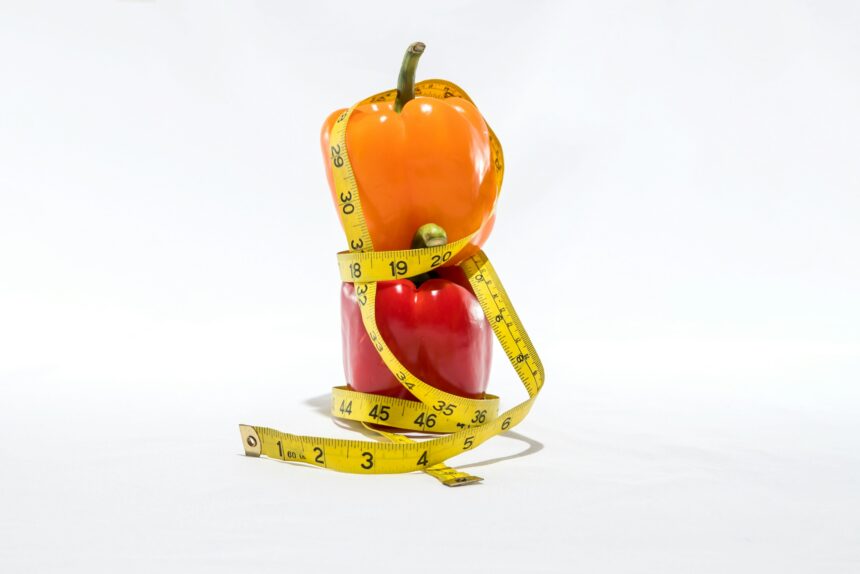
The foods we choose have a profound impact on how we age. While many factors contribute to a long and healthy life, one stands out as a cornerstone of longevity: the concept of calorie density. This isn’t about strict calorie counting or deprivation; rather, it’s about understanding how the volume and nutrient content of our food influence our health and lifespan. This guide will delve into how a plant-forward, Mediterranean-style eating pattern, rich in nutrients and low in calorie-dense processed items, can be your key to unlocking healthy aging.
Imagine a plate bursting with vibrant colors – deep green leafy vegetables, ruby-red berries, earthy brown lentils, and golden olive oil. This is the essence of a Mediterranean-style diet, a way of eating long associated with exceptional health and longevity. It’s not just anecdotal; decades of research have highlighted the benefits of this approach, particularly for those seeking to age gracefully.
What Makes the Mediterranean Diet a Longevity Champion?
At its heart, the Mediterranean diet emphasizes whole, unprocessed foods. This means a generous abundance of:
- Vegetables and Fruits: The cornerstones of this diet, providing a vast spectrum of vitamins, minerals, antioxidants, and fiber. Think leafy greens like spinach and kale, cruciferous vegetables like broccoli and cauliflower, root vegetables like carrots and sweet potatoes, and a rainbow of fruits. These are packed with beneficial compounds that fight cellular damage and inflammation.
- Legumes: Beans, lentils, and chickpeas are nutritional powerhouses. They are excellent sources of plant-based protein, complex carbohydrates, and significant amounts of fiber. This fiber is crucial for gut health and helps with steady energy release, preventing blood sugar spikes.
- Whole Grains: Opt for sources like oats, quinoa, barley, and brown rice over refined grains. Whole grains retain their bran and germ, offering more fiber, B vitamins, and minerals. They contribute to satiety and a healthy digestive system.
- Nuts and Seeds: These small but mighty foods are rich in healthy fats (monounsaturated and polyunsaturated), protein, fiber, vitamins (like Vitamin E), and minerals (like magnesium and zinc). They are calorie-dense due to their fat content, but their nutrient density makes them valuable in moderation.
- Olive Oil: The signature fat of the Mediterranean diet, extra virgin olive oil is a fantastic source of monounsaturated fats and powerful antioxidants like polyphenols. These compounds have anti-inflammatory properties and can protect against chronic diseases.
- Fish: Particularly fatty fish like salmon, mackerel, and sardines, are lauded for their high content of omega-3 fatty acids. These healthy fats are vital for brain health, reducing inflammation, and supporting cardiovascular function.
Conversely, this dietary pattern actively minimizes:
- Processed Foods: These are typically high in added sugars, unhealthy fats, and sodium, while being stripped of essential nutrients and fiber. Think sugary cereals, processed meats, packaged snacks, and pre-made meals.
- Added Sugars: Excessive sugar intake contributes to inflammation, weight gain, and an increased risk of chronic diseases like type 2 diabetes and heart disease.
- Refined Carbohydrates: White bread, white pasta, and pastries offer quick energy but often lack the fiber and nutrients of their whole-grain counterparts, leading to blood sugar fluctuations.
- Excess Alcohol: While moderate alcohol consumption has been debated, excessive intake is detrimental to overall health, impacting liver function, brain health, and increasing the risk of several cancers.
Longevity Patterns: Lessons from Centenarians and Blue Zones
When we look at populations where people live exceptionally long and healthy lives – the famed “Blue Zones” like Okinawa (Japan), Sardinia (Italy), Nicoya (Costa Rica), Icaria (Greece), and Loma Linda (California) – distinct dietary patterns emerge, all reinforcing the principles of a plant-forward, nutrient-dense approach.
Beans: The Humble Longevity Superfood
Beans are a staple in at least four of the five Blue Zones. They represent a unique combination of protein, complex carbohydrates, and a truly impressive amount of fiber.
The Fiber Factor in Beans
The soluble and insoluble fiber in beans plays a crucial role in digestive health. Soluble fiber forms a gel-like substance in the gut, which can help regulate blood sugar levels and lower cholesterol. Insoluble fiber adds bulk to stool, promoting regularity and preventing constipation. This healthy gut environment is increasingly recognized as a key pillar of longevity.
Protein Powerhouse, Plant-Style
For those concerned about protein intake, particularly as they age, beans offer a significant plant-based source. They provide essential amino acids (though they may not be as complete as animal sources on their own, this is easily addressed by pairing them with other plant foods like grains throughout the day). Protein is vital for maintaining muscle mass, which naturally declines with age, and supporting numerous bodily functions.
Leafy Greens: Nutrient-Dense Jewels
The ubiquitous presence of dark, leafy greens in the diets of centenarians is no accident. These nutrient powerhouses are exceptionally low in calorie density and exceptionally high in a wide array of vitamins, minerals, and antioxidants.
Vitamins and Minerals Galore
Spinach, kale, collard greens, and Swiss chard are rich in vitamins A, C, K, folate, and minerals like calcium, magnesium, and potassium. These micronutrients are essential for everything from immune function and bone health to energy production and nerve signaling.
Antioxidant Army
Leafy greens are brimming with antioxidants like carotenoids and flavonoids. These compounds act as the body’s defense system, neutralizing harmful free radicals that can damage cells and contribute to aging and chronic diseases.
Sweet Potatoes: Earthy Energy for Vitality
Sweet potatoes are a staple in the Nicoya Peninsula Blue Zone, providing sustained energy and a wealth of nutrients.
Complex Carbohydrates for Steady Fuel
Unlike refined carbohydrates, sweet potatoes offer complex carbohydrates that are digested slowly, providing a steady release of glucose into the bloodstream. This prevents energy crashes and supports sustained physical and mental performance.
Vitamin A and Beyond
Sweet potatoes are particularly famous for their beta-carotene content, which the body converts into vitamin A. This vitamin is crucial for vision, immune function, and skin health. They also provide vitamin C, potassium, and other essential nutrients.
Nuts and Seeds: Small but Mighty in Longevity Diets
While calorie-dense, nuts and seeds are consumed in moderate amounts in Blue Zones and are recognized for their role in promoting longevity.
Healthy Fats for Brain and Heart
The monounsaturated and polyunsaturated fats found in nuts and seeds are beneficial for cardiovascular health. They can help lower bad cholesterol (LDL) and raise good cholesterol (HDL). These fats are also crucial for brain function and reducing inflammation.
Fiber and Micronutrient Boost
Beyond healthy fats, nuts and seeds offer a good dose of fiber, protein, vitamin E, magnesium, selenium, and zinc. These nutrients support overall health, protect cells from damage, and contribute to a robust immune system.
Understanding calorie density is crucial for promoting healthy aging, as it can significantly impact our nutritional choices and overall well-being. A related article that explores the importance of maintaining an active lifestyle and its benefits for recovery is available at this link: Three Essential Stretches for Post-Walk Recovery and Healing. This article emphasizes the role of physical activity in enhancing mobility and recovery, which complements the principles of calorie density by encouraging healthier eating habits that support an active lifestyle.
Understanding Calorie Density: The Heart of Healthy Aging
Calorie density refers to the number of calories in a given weight or volume of food. Foods low in calorie density provide a large volume and weight for relatively few calories, while foods high in calorie density offer many calories in a small volume.
Low Calorie Density: The Longevity Advantage
Foods that are low in calorie density are typically those rich in water, fiber, and nutrients, and low in fat and sugar. This category includes:
- Non-starchy vegetables: Lettuce, spinach, broccoli, peppers, cucumbers, tomatoes.
- Fruits: Berries, apples, oranges, melons.
- Legumes: Beans, lentils, peas.
- Lean proteins: Fish, poultry (skinless), tofu.
When you predominantly eat low-calorie-density foods, you can consume a larger volume of food, feeling more satisfied and full without overeating calories. This is fundamental to maintaining a healthy weight and preventing the chronic diseases associated with excess body fat.
High Calorie Density: The Pitfalls of Longevity
Foods that are high in calorie density pack a lot of calories into a small package. These often include:
- Processed snacks: Chips, cookies, cakes, candy.
- Fried foods: French fries, fried chicken.
- Sugary drinks: Soda, juice with added sugar.
- Fatty meats and processed meats: Bacon, sausages.
- Added fats and oils: In large quantities, beyond what’s used for healthy cooking.
While some high-calorie-density foods can be part of a healthy diet in small amounts (like nuts and seeds for their nutrient profile), a diet dominated by them can easily lead to calorie surplus and subsequent weight gain, increasing the risk of various health problems that can shorten lifespan.
Protein Needs and Aging: Maintaining Muscle for a Vibrant Life

As we age, our bodies undergo changes, and protein needs become an increasingly important consideration for healthy aging. Maintaining adequate muscle mass is crucial for mobility, metabolism, and overall independence.
Why Protein Matters After 40
After the age of 40, muscle protein synthesis (the process of building and repairing muscle) can become less efficient. This can lead to sarcopenia, the age-related loss of muscle mass and strength, which can impact our ability to perform daily activities and increase the risk of falls and injuries.
Sarcopenia and Its Impact on Longevity
Sarcopenia is not just about looking less toned. It’s associated with:
- Reduced mobility and increased risk of falls: Less muscle strength makes it harder to balance and move, heightening the risk of falls and fractures.
- Slower metabolism: Muscle tissue burns more calories than fat tissue. Loss of muscle can lead to a slower metabolism and easier weight gain.
- Decreased immune function: Protein is essential for building and maintaining immune cells.
- Impaired wound healing: Adequate protein is needed for tissue repair.
Optimizing Protein Intake for Middle Age and Beyond
The general recommendation for adults is to consume 0.8 grams of protein per kilogram of body weight per day. However, for individuals over 40, particularly those who are active, some experts suggest a slightly higher intake, around 1-1.2 grams per kilogram of body weight.
Plant-Based Protein Sources for Muscle Health
Fortunately, a plant-forward Mediterranean diet can provide all the protein needed to support muscle health. Focusing on legumes, whole grains, nuts, seeds, and moderate amounts of fish, eggs, and dairy (if consumed) can ensure adequate intake.
- Legumes: Lentils, beans, chickpeas.
- Soy products: Tofu, tempeh, edamame.
- Whole grains: Quinoa (a complete protein), oats, farro.
- Nuts and seeds: Almonds, walnuts, chia seeds, pumpkin seeds.
- Fish: Salmon, tuna, sardines.
It’s not just about the quantity of protein, but also how it’s distributed throughout the day. Consuming protein at each meal helps to maximize muscle protein synthesis.
The Power of Anti-Inflammatory Eating for Cellular Health

Chronic inflammation is a silent driver of many age-related diseases, including heart disease, cancer, Alzheimer’s, and arthritis. An anti-inflammatory diet, a hallmark of the Mediterranean style, helps to quell this internal fire.
What is Inflammation and Why Does it Matter for Aging?
Inflammation is the body’s natural response to injury or infection. However,
when it becomes chronic, it can persistently damage tissues and cells. Think of it like a constant, low-grade burn that wears down the body over time.
Chronic Inflammation’s Contribution to Aging
Chronic inflammation is implicated in:
- Accelerated cellular aging: It can damage DNA and impair cellular repair processes.
- Reduced organ function: Over time, inflammation can degrade the function of organs like the heart, brain, and kidneys.
- Increased disease risk: It’s a precursor to many chronic conditions that impact quality of life and lifespan.
Foods That Fight Inflammation
The Mediterranean diet is inherently anti-inflammatory due to its emphasis on certain foods:
- Omega-3 Fatty Acids: Found in fatty fish, flaxseeds, chia seeds, and walnuts, these healthy fats have potent anti-inflammatory properties.
- Antioxidant-Rich Fruits and Vegetables: The vibrant colors of produce signify a wealth of antioxidants that combat free radical damage and inflammation.berries, dark leafy greens, and colorful vegetables are prime examples.
- Extra Virgin Olive Oil: Its polyphenols act as powerful anti-inflammatory agents.
- Herbs and Spices: Turmeric, ginger, garlic, cinnamon, and rosemary are rich in anti-inflammatory compounds.
Foods That Fuel Inflammation
Conversely, certain foods can exacerbate inflammation:
- Processed foods: High in unhealthy fats, added sugars, and refined grains.
- Sugary drinks and added sugars: These spike blood sugar and trigger inflammatory responses.
- Refined carbohydrates: Similar to added sugars, they contribute to inflammation.
- Excessive saturated and trans fats: Found in fatty meats, fried foods, and processed baked goods.
By choosing anti-inflammatory foods, you’re actively working to protect your cells and tissues from damage, promoting a more resilient and youthful aging process.
Research on calorie density has shown its significant impact on healthy aging, emphasizing the importance of nutrient-rich foods in maintaining vitality as we grow older. A related article discusses how women can benefit from understanding these concepts to enhance their longevity and overall well-being. For more insights, you can explore the article on this topic here. By focusing on foods that provide essential nutrients without excessive calories, individuals can make informed choices that support their health throughout the aging process.
Gut Health: The Unsung Hero of Longevity
| Food | Calorie Density (kcal/g) | Impact on Healthy Aging |
|---|---|---|
| Spinach | 0.23 | High in antioxidants and vitamins, supports healthy aging |
| French Fries | 3.13 | High calorie density, may contribute to unhealthy aging |
| Salmon | 2.69 | Rich in omega-3 fatty acids, supports brain health and healthy aging |
| Soda | 1.03 | High in added sugars, may contribute to inflammation and unhealthy aging |
The trillions of microorganisms residing in our gut, collectively known as the gut microbiome, play a surprisingly significant role in our overall health and longevity. A diverse and balanced microbiome is increasingly linked to better immune function, mental well-being, and even disease prevention.
The Gut Microbiome Connection to Aging
A healthy gut microbiome can:
- Aid Digestion and Nutrient Absorption: Beneficial bacteria help break down food, absorb essential nutrients, and synthesize certain vitamins (like B vitamins and vitamin K).
- Support a Strong Immune System: A large portion of our immune system resides in the gut. A balanced microbiome helps regulate immune responses and protect against pathogens.
- Influence Mood and Brain Health: The gut-brain axis is a complex communication network. Gut bacteria produce neurotransmitters that can affect mood, stress levels, and cognitive function.
- Reduce Inflammation: A healthy gut lining acts as a barrier, preventing harmful substances from entering the bloodstream and triggering inflammation.
Dysbiosis: When the Gut is Out of Balance
An imbalance in the gut microbiome, known as dysbiosis, can be caused by poor diet, stress, antibiotics, and other factors. Dysbiosis is linked to digestive issues, increased inflammation, weakened immunity, and potentially even chronic diseases.
Nourishing Your Gut for a Longer, Healthier Life
The plant-forward, Mediterranean-style diet is a gut-friendly way of eating:
- High Fiber Intake: Fiber acts as prebiotics, food for beneficial gut bacteria. Fruits, vegetables, legumes, and whole grains are packed with fiber.
- Fermented Foods: Foods like yogurt (with live cultures), kefir, sauerkraut, and kimchi contain probiotics – live beneficial bacteria that can help populate the gut.
- Polyphenol-Rich Foods: Found in many plant foods, especially berries, dark chocolate, and olive oil, polyphenols can promote the growth of beneficial bacteria and have anti-inflammatory effects.
By prioritizing gut health through your diet, you’re laying a crucial foundation for a more vibrant and disease-resistant aging process.
Research on calorie density and its impact on healthy aging has gained significant attention in recent years. A related article discusses how understanding the concept of calorie density can help individuals make better dietary choices that promote longevity and overall well-being. For more insights on this topic, you can read the article here, which explores various strategies for maintaining a balanced diet as we age. This information can be invaluable for those looking to enhance their quality of life through mindful eating practices.
Fasting and Time-Restricted Eating: Ancient Practices for Modern Longevity
Fasting, in its various forms, and time-restricted eating (TRE) are ancient practices that are gaining modern scientific support for their potential health benefits, including those related to longevity. These approaches involve periods of voluntary abstinence from food.
The Science Behind Fasting and TRE
When we fast, our bodies can enter a state of cellular repair and rejuvenation. This includes:
- Autophagy: A crucial cellular “clean-up” process where the body removes damaged cells and recycles cellular components. This is thought to be vital for preventing cellular aging and disease.
- Improved Insulin Sensitivity: Fasting can help improve how your body responds to insulin, leading to better blood sugar control and reducing the risk of type 2 diabetes.
- Reduced Inflammation: Fasting can lower inflammatory markers in the body.
- Metabolic Flexibility: The body becomes more efficient at switching between burning glucose and burning fat for energy.
Time-Restricted Eating (TRE): An Accessible Approach
TRE involves restricting your eating window to a specific number of hours each day. A common approach is an 8-hour eating window with a 16-hour fasting period (often referred to as 16:8).
Benefits of TRE for Healthy Aging
- Supports Weight Management: By limiting the time you eat, you may naturally consume fewer calories.
- Enhances Cellular Repair: The longer fasting period allows for autophagy to occur.
- Improves Metabolic Health: Regular fasting periods can benefit insulin sensitivity and blood sugar control.
- Promotes Simplicity: For many, TRE simplifies meal planning and reduces the mental load associated with constant food choices.
Important Considerations for Fasting and TRE
- Not for Everyone: Individuals with a history of eating disorders, pregnant or breastfeeding women, and those with certain medical conditions should consult their doctor before undertaking any form of fasting.
- Focus on Nutrient Density: During your eating window, it’s crucial to prioritize nutrient-dense, whole foods to meet your nutritional needs.
- Listen to Your Body: Start gradually and pay attention to how your body responds. If you experience significant discomfort or negative symptoms, it may not be the right approach for you.
- Fasting is not starvation: The goal is not prolonged deprivation but controlled periods of abstinence to allow the body to benefit from repair processes.
Calorie Density Without Extreme Restriction: A Sustainable Path to Longevity
The concept of calorie density doesn’t necessitate extreme calorie restriction, which can be unsustainable and detrimental to health. Instead, it’s about making conscious food choices that prioritize nutrient-rich, lower-calorie-density options.
The Pitfalls of Extreme Restriction
- Nutrient Deficiencies: Severely limiting calories can make it difficult to get all the essential vitamins and minerals your body needs.
- Metabolic Slowdown: Your body may adapt to severe restriction by slowing down your metabolism, making weight loss harder and weight regain easier.
- Muscle Loss: Without adequate protein and overall nutrition, your body may break down muscle for energy.
- Psychological Strain: Extreme restriction can lead to deprivation, cravings, and an unhealthy relationship with food.
Embracing Volume and Satiety with Low-Calorie Density Foods
The beauty of focusing on low-calorie-density foods is that they offer volume and satiety. This means you can eat satisfying meals that keep you full for longer without consuming an excess of calories.
The “Plate Method” for Longevity
A simple way to visualize this is the “plate method”:
- Half your plate: Non-starchy vegetables (leafy greens, broccoli, peppers, carrots, etc.).
- One quarter of your plate: Lean protein (fish, legumes, skinless poultry).
- One quarter of your plate: Whole grains or starchy vegetables (quinoa, brown rice, sweet potato).
- Add healthy fats: A drizzle of olive oil, a sprinkle of nuts or seeds.
This approach naturally emphasizes nutrient-dense, lower-calorie-density foods while ensuring you receive a balanced intake of macronutrients.
How to Eat for Longevity: Realistic Swaps for People Over 40
Implementing the principles of calorie density and a plant-forward, Mediterranean-style diet doesn’t require a complete overhaul overnight. Small, consistent changes can lead to significant improvements in your health and longevity journey.
Here are 4-6 realistic food and habit swaps for people over 40:
- Swap Sugary Drinks for Water or Herbal Tea: Instead of soda, sweetened juices, or sugary coffees, opt for water, sparkling water with a squeeze of lemon or lime, or unsweetened herbal teas. This single swap can significantly reduce your intake of empty calories and added sugar, leading to better blood sugar control and weight management.
- Increase Your Daily Vegetable Intake with Every Meal: Aim to include at least one serving of non-starchy vegetables at breakfast (e.g., spinach in scrambled eggs), lunch (e.g., a large salad), and dinner. If you struggle to fit them in, consider starting with a small side salad or a handful of cherry tomatoes. This boosts fiber, vitamins, and antioxidants, and helps you feel fuller with fewer calories.
- Replace Refined Grains with Whole Grains at Least Once a Day: Choose whole-wheat bread instead of white bread, brown rice over white rice, or oats instead of sugary breakfast cereals. This swap increases your fiber intake, promoting better digestion, sustained energy, and a lower risk of chronic diseases.
- Incorporate Legumes into Meals 3-4 Times a Week: Add a serving of beans, lentils, or chickpeas to soups, stews, salads, or as a side dish. This is an economical and nutrient-rich way to boost plant-based protein and fiber intake, supporting muscle health and satiety.
- Switch to Extra Virgin Olive Oil for Cooking and Dressings: If you’re currently using other oils, gradually transition to extra virgin olive oil for most of your cooking and salad dressings. This provides beneficial monounsaturated fats and potent antioxidants, supporting heart health and reducing inflammation.
- Embrace a Shorter Eating Window (Time-Restricted Eating): If appropriate for your health, consider adopting a 16:8 time-restricted eating pattern. This means aiming to finish your meals within an 8-hour window each day, allowing for a 16-hour overnight fast. This can support cellular repair and metabolic health without extreme restriction. Start by gradually extending your fasting period.
By understanding the principles of calorie density and embracing a nutrient-rich, plant-forward, Mediterranean-style diet, you can cultivate a sustainable approach to healthy aging. These simple yet powerful food and habit swaps are your allies in building a foundation for a long, vibrant, and fulfilling life.
FAQs
What is calorie density?
Calorie density refers to the number of calories in a given volume of food. Foods with high calorie density have a high number of calories in a small amount of food, while foods with low calorie density have fewer calories in the same volume of food.
How does calorie density affect healthy aging?
High calorie density foods can contribute to weight gain and obesity, which are risk factors for chronic diseases such as heart disease, diabetes, and certain cancers. Consuming a diet lower in calorie density can help maintain a healthy weight and reduce the risk of these diseases, promoting healthy aging.
What are some examples of low calorie density foods?
Fruits, vegetables, whole grains, and legumes are examples of low calorie density foods. These foods are high in water and fiber, which helps to increase satiety and reduce overall calorie intake.
How can I reduce the calorie density of my diet?
To reduce the calorie density of your diet, focus on incorporating more fruits, vegetables, whole grains, and legumes into your meals. Limiting high calorie density foods such as processed foods, fried foods, and sugary snacks can also help lower the overall calorie density of your diet.
What are the benefits of consuming a lower calorie density diet?
Consuming a lower calorie density diet can help with weight management, reduce the risk of chronic diseases, and promote overall health and healthy aging. Additionally, low calorie density foods are often nutrient-dense, providing essential vitamins, minerals, and antioxidants.