


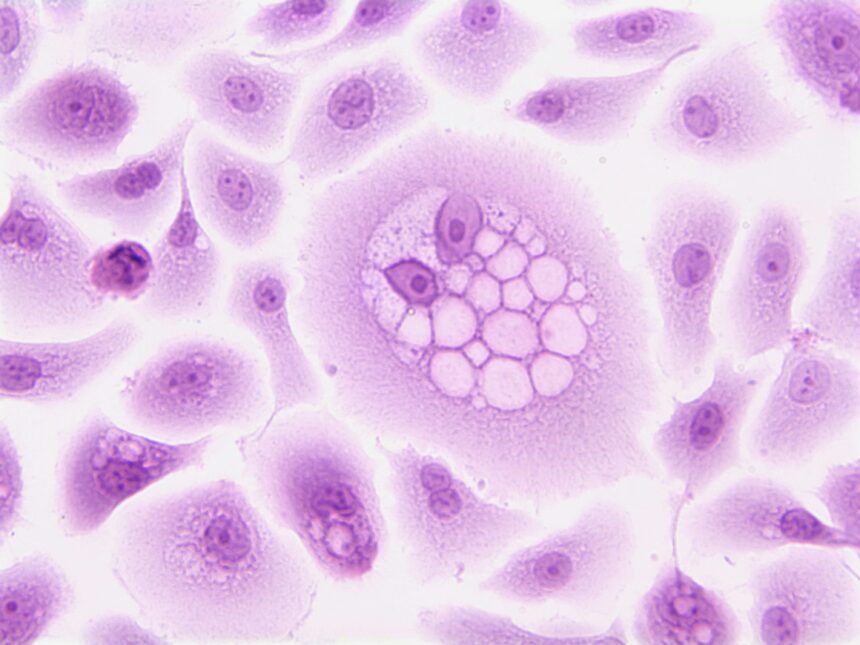
The aging process is a complex biological phenomenon that involves a multitude of changes at the cellular and molecular level. While we often associate aging with the passage of time – our chronological age – the biological reality is far more intricate. Longevity science is dedicated to understanding these underlying mechanisms and exploring ways to promote healthier aging, often referred to as extending our “healthspan” – the period of life we spend in good health. This article delves into one fascinating aspect of aging science: the role of senescent cells.
Before we dive into senescent cells, it’s helpful to have a broad understanding of what longevity researchers consider the “hallmarks of aging.” These are the fundamental processes that contribute to the decline in function we see as we get older. Think of them as the key contributors to the aging puzzle. Scientists have identified several of these hallmarks, and they often interact with each other.
Cellular Aspects of Aging
Several hallmarks are directly related to the state and function of our cells.
Genomic Instability
Our DNA, the blueprint of our cells, is constantly under attack from various sources, both internal and external. While our cells have robust repair mechanisms, they aren’t perfect. Over time, these accumulated DNA errors can lead to cellular dysfunction and contribute to aging.
Telomere Attrition
Telomeres are like protective caps at the ends of our chromosomes, preventing them from fraying. Each time a cell divides, these telomeres get a little shorter. Eventually, they become too short, signaling to the cell that it’s time to stop dividing or undergo programmed cell death. This shortening is a natural timer for cellular aging.
Altered Protein Homeostasis
Proteins are the workhorses of our cells, performing a vast array of functions. As we age, our ability to maintain the proper folding, function, and clearance of these proteins can decline, leading to “protein buildup” that can be detrimental to cellular health.
Dysregulated Nutrient Sensing
Our bodies have intricate systems for sensing and responding to nutrient availability, which are crucial for growth and survival. As we age, these sensing pathways can become dysregulated, potentially leading to metabolic imbalances that accelerate aging processes.
Cellular Stress and Damage Hallmarks
Beyond DNA and protein issues, cells also face stresses that contribute to aging.
Mitochondrial Dysfunction
Mitochondria are the powerhouses of our cells, generating the energy we need to function. As we age, mitochondria can become less efficient and produce more damaging byproducts. This “energy crisis” within cells contributes to overall decline.
Cellular Senescence
This is where our focus will be. Cellular senescence is a state where cells stop dividing but don’t die. Instead, they enter a kind of “zombie” state, accumulating in tissues over time and having a significant impact on our health.
Stem Cell Exhaustion
Stem cells are our body’s repair crew, able to differentiate into various cell types to replace damaged or worn-out tissues. As we age, the number and function of our stem cells can diminish, hindering our ability to repair and regenerate.
Systemic Aspects of Aging
Some hallmarks involve the broader systems of the body.
Deregulated Intercellular Communication
Cells communicate with each other through a complex network of signals. With age, this communication can become “noisy” or imbalanced, leading to inflammation and other detrimental effects throughout the body.
Loss of Proteostasis
This hallmark, mentioned earlier in a cellular context, also has systemic implications as the widespread accumulation of misfolded proteins can affect organ function.
Impaired Autophagy
Autophagy is a cellular “clean-up” process where cells break down and remove damaged components, including worn-out organelles and misfolded proteins. As we age, autophagy can become less efficient, allowing cellular debris to accumulate.
Recent research has shed light on the role of senescent cells in the aging process, highlighting their contribution to age-related diseases and inflammation. For a deeper understanding of this topic, you can explore the article on aging and cellular senescence at Aging Decoded, which discusses various proposals aimed at targeting these cells to promote healthier aging.
The Rise of Senescent Cells: More Than Just Old Cells
Among these hallmarks, cellular senescence has emerged as a particularly exciting area of longevity research. Imagine these senescent cells as “zombie cells” – they are no longer functioning properly, they can’t divide anymore, but they refuse to die. Instead, they hang around, accumulating in our tissues as we age.
What Does Cellular Senescence Mean?
Cellular senescence is a state of permanent cell cycle arrest. This means that these cells have lost their ability to replicate and divide, a process that normally helps us repair tissues and grow. However, unlike programmed cell death (apoptosis), where damaged cells are neatly cleared away, senescent cells linger.
The Trigger for Senescence
Several factors can trigger a cell to become senescent:
- DNA Damage: Significant damage to a cell’s DNA, as mentioned in Genomic Instability, can be a powerful trigger.
- Telomere Shortening: When telomeres become critically short, it signals to the cell that it’s reached its replicative limit, leading to senescence.
- Oncogene Activation: If genes that promote cell growth (oncogenes) become overly active in a way that could lead to cancer, the cell may enter senescence as a protective mechanism to prevent uncontrolled proliferation.
- Mitochondrial Dysfunction: Stressed mitochondria can also contribute to the cellular signaling that induces senescence.
- Oxidative Stress: Damage caused by reactive oxygen species can also push cells into senescence.
The Senescent Cell’s “Secret Weapon”: The SASP
While the inability to divide is a key characteristic of senescent cells, their most significant impact on aging comes from their continued metabolic activity. Senescent cells secrete a cocktail of inflammatory molecules, growth factors, and enzymes. This collection of secreted factors is known as the Senescence-Associated Secretory Phenotype (SASP).
The SASP is like a toxic cloud released by these zombie cells, and it has profound effects on the surrounding tissue and the body as a whole.
The Harmful Effects of the SASP
The SASP is not a benign presence; it actively contributes to aging and age-related diseases through several mechanisms:
Chronic Inflammation
One of the most significant components of the SASP is the release of pro-inflammatory cytokines. This contributes to a low-grade, chronic inflammatory state known as “inflammaging,” which is a hallmark of aging and underlies many age-related diseases. This persistent inflammation can damage healthy cells, impair tissue function, and promote the development of conditions like arthritis, cardiovascular disease, and neurodegenerative disorders.
Tissue Dysfunction and Remodeling
The SASP can alter the extracellular matrix – the structural scaffolding that supports our cells and tissues. This can lead to tissue stiffening and loss of elasticity, impacting the function of organs like the lungs, blood vessels, and skin. The breakdown of matrix components can also disrupt normal tissue repair and regeneration processes.
Promoting Senescence in Neighboring Cells
The inflammatory signals from the SASP can actually encourage nearby healthy cells to become senescent themselves. This creates a domino effect, where the accumulation of senescent cells can accelerate over time, further exacerbating the aging process.
Altering Stem Cell Behavior
The SASP can negatively impact the function of stem cells, which are crucial for tissue repair. It can impair their ability to divide, differentiate, and self-renew, thus hindering the body’s natural regenerative capabilities.
Promoting Cancer (in some contexts)
While senescence can initially act as a tumor suppressor mechanism by preventing damaged cells from dividing, the chronic presence of senescent cells and their SASP can, in the long term, create a microenvironment that paradoxically promotes tumor growth and metastasis by fostering inflammation and providing growth factors to cancer cells. This is a complex interplay, and research is ongoing.
The Double-Edged Sword: Beneficial Aspects of Senescence

It’s important to note that not all senescence is detrimental. In certain situations, cellular senescence plays a crucial and beneficial role in maintaining our health, particularly during development and in response to injury.
Senescence’s Role in Early Life and Repair
In younger individuals and during critical periods of development, transient cellular senescence can be advantageous:
Embryonic Development
During embryonic development, transient senescence plays a vital role in sculpting tissues and organs. For example, it’s involved in the formation of fingers and toes by helping to remove webbing between them.
Wound Healing
When we experience an injury, senescent cells can transiently appear at the wound site. They contribute to the initial inflammatory response that clears debris and damaged cells, and their SASP can signal to other cells to begin the repair process. Once their job is done, these senescent cells are typically cleared away by the immune system.
Tumor Suppression
As mentioned earlier, senescence can act as a crucial barrier against cancer. By permanently arresting the cell cycle, it prevents cells with potentially cancer-causing mutations from proliferating uncontrollably.
Targeting Senescent Cells: The Promise of Senolytics

Given the accumulating evidence of the negative impact of senescent cells on aging, a major focus of longevity research is on developing ways to eliminate them. This has led to the development of senolytics.
What are Senolytics?
Senolytics are a class of drugs or compounds designed to selectively identify and eliminate senescent cells while sparing healthy, normally functioning cells. The idea is to “cleanse” the body of these harmful zombie cells, thereby reducing inflammation, improving tissue function, and potentially alleviating age-related diseases.
How Senolytics Work
Senolytics typically work by targeting the specific survival pathways that senescent cells rely on to resist programmed cell death (apoptosis). By blocking these pathways, senolytics trigger senescent cells to undergo apoptosis and be cleared by the immune system.
Promising Results in Preclinical Studies
Much of the excitement around senolytics comes from studies in animal models. In various animal studies, senolytic treatments have shown remarkable results, including:
- Improved cardiovascular function: Reduced arterial stiffness and improved blood pressure.
- Enhanced physical function: Increased endurance, strength, and mobility.
- Improved cognitive function: Better memory and learning in aged animals.
- Reduced frailty: Alleviating symptoms associated with aging and weakness.
- Extended lifespan and healthspan: Animals treated with senolytics often live longer and healthier lives.
Human Trials and the Future
While preclinical results are encouraging, human trials are still in their early stages. Several senolytic drugs are currently being tested in humans for various age-related conditions, including:
- Idiopathic pulmonary fibrosis (IPF): A chronic lung disease characterized by scarring.
- Osteoarthritis: A degenerative joint disease.
- Diabetic kidney disease: A complication of diabetes affecting the kidneys.
- Frailty: A condition characterized by decreased strength, endurance, and activity.
It’s crucial to approach the application of senolytics with caution and realistic expectations. The goal is not immortality, but rather to improve health and quality of life in older age.
Recent research has shed light on the role of senescent cells in the aging process, highlighting their impact on tissue function and overall health. A fascinating article discusses how these cells accumulate over time and contribute to age-related diseases, emphasizing the potential for therapies that target senescence to promote healthier aging. For more insights on this topic, you can read the full article here. Understanding the mechanisms behind cellular senescence could pave the way for innovative treatments that enhance longevity and quality of life.
Beyond Drugs: Lifestyle Levers That Influence Senescence
| Metrics | Senescent Cells and Aging |
|---|---|
| Definition | Senescent cells are cells that have stopped dividing and are associated with aging and age-related diseases. |
| Accumulation | Senescent cells accumulate in various tissues and organs as a person ages. |
| Effects | Senescent cells can contribute to inflammation, tissue dysfunction, and age-related pathologies. |
| Research | Scientists are studying ways to target and remove senescent cells to potentially slow down the aging process and reduce age-related diseases. |
While senolytics represent a cutting-edge therapeutic approach, it’s essential to remember that fundamental lifestyle factors play a significant role in influencing the accumulation and impact of senescent cells. These “lifestyle levers” form the bedrock of healthy aging and can work synergistically with any future interventions.
The Power of Foundations
Before even considering advanced interventions, focusing on the basics is paramount for a robust and healthy life.
Sleep: The Body’s Master Repair System
Adequate and quality sleep is critical for cellular repair and regeneration. During sleep, our bodies clear out waste products, including potentially damaged cellular components. Poor sleep, on the other hand, can increase inflammation and oxidative stress, potentially contributing to cellular senescence. Prioritizing 7-9 hours of quality sleep per night is a powerful way to support cellular health.
Nutrition: Fueling Your Cells Wisely
A balanced and nutrient-rich diet has a profound impact on cellular health.
Anti-inflammatory Diets
Foods rich in antioxidants and anti-inflammatory compounds, such as fruits, vegetables, and whole grains, can help combat oxidative stress and inflammation, which are drivers of senescence. Limiting processed foods, sugar, and unhealthy fats can also reduce inflammatory burden.
Caloric Restriction and Intermittent Fasting
As we’ll discuss further, periods of reduced calorie intake or intermittent fasting can positively influence cellular maintenance pathways, including potentially impacting senescence.
Movement: Keeping Your Cells Active and Healthy
Regular physical activity is crucial for overall health and can influence cellular senescence.
Exercise and Immune Function
Exercise can enhance immune surveillance, which is important for clearing senescent cells. It also helps regulate inflammation and improve mitochondrial function.
Different Forms of Movement
From brisk walking to strength training and flexibility exercises, incorporating a variety of movement into your routine offers multifaceted benefits for cellular health and tissue function.
Stress Management: Taming the Chronic Inflammatory Response
Chronic stress triggers the release of hormones like cortisol, which can contribute to inflammation and oxidative stress, potentially accelerating cellular senescence.
Mindfulness and Meditation
Practices like mindfulness and meditation can help regulate the body’s stress response, reducing the damaging effects of chronic stress on cellular health.
Other Stress-Reducing Techniques
Engaging in hobbies, spending time in nature, and cultivating strong social connections are also effective ways to manage stress.
Social Connection: The Unsung Hero of Longevity
Strong social bonds are consistently linked to longer and healthier lives. Social interaction can buffer the effects of stress, improve mood, and promote a sense of well-being, all of which can positively impact cellular function and potentially influence senescence.
Supplements and Drugs: Discuss with a Professional
While the foundational pillars of sleep, nutrition, movement, stress management, and social connection are the most impactful, longevity science is also exploring specific pharmacological interventions. These are areas where exploring with a qualified clinician is essential.
Metformin: A Diabetes Drug with Longevity Potential
Metformin, a widely prescribed medication for type 2 diabetes, has shown promise in longevity research. It appears to influence cellular metabolism and pathways related to nutrient sensing, potentially mimicking some of the benefits of caloric restriction. Early research suggests it may reduce the incidence of certain age-related diseases, but its use for longevity purposes is still under investigation and requires medical supervision.
NAD+ Boosters: Fueling Cellular Energy
NAD+ (nicotinamide adenine dinucleotide) is a crucial coenzyme involved in numerous cellular processes, including energy production and DNA repair. NAD+ levels decline with age. NAD+ boosters are compounds that aim to increase NAD+ levels in the body, theoretically supporting cellular function and delaying aging. Research in this area is ongoing, and it’s important to consult a healthcare professional before considering NAD+ supplementation.
Rapamycin: An Immunosuppressant with Anti-Aging Effects
Rapamycin is an immunosuppressant drug that has demonstrated significant lifespan-extending effects in animal models. It works by inhibiting a cellular pathway called mTOR, which is involved in cell growth and metabolism. While promising, rapamycin has potential side effects and its use for longevity in humans is controversial and strictly requires medical guidance.
Fasting: Mimicking Caloric Restriction
Various forms of fasting, including intermittent fasting and periodic fasts, are gaining attention for their potential to promote cellular repair and reduce inflammation. By creating periods of metabolic stress, fasting can activate pathways that clear out damaged cells and improve cellular resilience. The specific protocols and benefits for individuals should be discussed with a healthcare provider.
Senolytics (Revisited as a Therapeutic Option)
As discussed, senolytics are drugs designed to clear senescent cells. While promising, they are still largely in the experimental phase for human longevity. Any consideration of senolytic compounds should be undertaken only under the strict supervision of a qualified clinician.
Recent research has shed light on the role of senescent cells in the aging process, revealing how these cells contribute to various age-related diseases. A fascinating article discusses the implications of targeting senescent cells for rejuvenation therapies, highlighting potential strategies for promoting healthier aging. For more insights on this topic, you can read the full article on smart aging here. Understanding the mechanisms behind cellular senescence could pave the way for innovative treatments that enhance longevity and improve quality of life as we age.
The Path Forward: Empowering Informed Choices
The science surrounding senescent cells and their impact on aging is a rapidly evolving field. While the prospect of “clearing out” these aging cells is exciting, it’s crucial to maintain a grounded and evidence-based perspective.
Distinguishing Hype from Reality
It’s vital to approach longevity claims with a critical eye. The concept of “immortality” or significantly extending lifespan without considering the quality of life is not the current goal of longevity science. The focus is on extending healthspan – the period of life lived in good health, free from debilitating age-related diseases.
Human vs. Animal Research
Much of the groundbreaking research on senolytics and other interventions has been conducted in animal models. While these studies provide valuable insights and direction for human research, the results cannot always be directly extrapolated to humans. Rigorous human clinical trials are essential to confirm the safety and efficacy of any intervention.
Educational Purposes Only, Not Medical Advice
This article is intended for educational purposes only and does not constitute medical advice. The information presented here is to foster understanding and encourage informed discussions about aging and longevity.
Always consult with a qualified healthcare professional before making any decisions about your health, including starting new supplements, medications, or making significant lifestyle changes. They can assess your individual health status, discuss potential risks and benefits, and provide personalized guidance.
By understanding the intricate mechanisms of aging, including the fascinating world of senescent cells, and by prioritizing foundational health habits, we can empower ourselves to live longer, healthier, and more fulfilling lives. The journey of longevity science is an ongoing one, filled with both promise and the imperative for responsible, evidence-based exploration.
FAQs
What are senescent cells?
Senescent cells are cells that have stopped dividing and are no longer functioning properly. They are often associated with aging and age-related diseases.
How do senescent cells contribute to aging?
Senescent cells can contribute to aging by secreting inflammatory molecules and other factors that can cause damage to surrounding tissues and promote the development of age-related diseases.
What role do senescent cells play in age-related diseases?
Senescent cells have been linked to a variety of age-related diseases, including cancer, cardiovascular disease, and neurodegenerative disorders. Their presence can contribute to the progression of these diseases.
Can senescent cells be targeted to slow down aging?
Researchers are exploring the possibility of targeting senescent cells as a way to slow down the aging process and reduce the risk of age-related diseases. This approach, known as senolytic therapy, is still in the early stages of development.
What are some potential treatments for senescent cells and aging?
In addition to senolytic therapy, other potential treatments for senescent cells and aging include lifestyle interventions such as exercise and a healthy diet, as well as the development of drugs that can target specific pathways involved in the senescence process.