


The journey of aging brings with it a wealth of experience and wisdom. As we navigate these later years, a cornerstone of maintaining our quality of life is the health of our minds and cognitive abilities. At AgingDecoded.com, our “Mind & Cognitive Health” category is dedicated to providing you with clear, reassuring information about how to support your brain. This article focuses on a crucial element: optimizing your diet for cognitive health. We’ll explore how what you eat directly impacts how your brain ages, your risk of cognitive decline and dementia, your mood, and your overall cognitive function. We’ll steer clear of alarmist language or unrealistic promises, instead focusing on evidence-based, actionable habits that empower you to take charge of your brain’s well-being.
Your brain is a remarkably complex organ, constantly at work processing information, regulating emotions, and controlling bodily functions. Like any other part of your body, it requires nourishment to function optimally. The foods we choose to eat provide the essential building blocks and energy for our brain cells to communicate, repair themselves, and protect against damage. Conversely, a diet lacking in vital nutrients or high in detrimental components can contribute to inflammation, oxidative stress, and impaired blood flow – all factors that can negatively influence brain aging, increase the risk of dementia, affect mood, and diminish cognitive function. This isn’t about restrictive eating; it’s about embracing nourishing patterns that support your brain throughout life.
Fueling Your Brain: More Than Just Energy
While glucose from carbohydrates is the brain’s primary energy source, the quality and type of fuel matter immensely. Think of your brain as a high-performance vehicle. While it needs fuel to run, the type of fuel will determine its efficiency, longevity, and the ease with which it navigizes the road. Similarly, the nutrients in our diet directly influence the structure and function of our brain cells, the communication pathways between them, and the protection against damage.
The Role of Macronutrients and Micronutrients
- Healthy Fats: Your brain is about 60% fat. Omega-3 fatty acids, found in fatty fish like salmon, mackerel, and sardines, as well as in walnuts and flaxseeds, are particularly vital. They are integral to cell membrane structure, crucial for neurotransmitter function, and possess anti-inflammatory properties that protect brain cells.
- Complex Carbohydrates: While simple sugars cause rapid spikes and crashes in blood sugar, complex carbohydrates (whole grains, legumes, vegetables) provide a steady release of glucose, ensuring a consistent energy supply for the brain. Fiber in these foods also helps regulate blood sugar, preventing detrimental fluctuations.
- Proteins: Amino acids from protein are the building blocks for neurotransmitters, the chemical messengers that allow brain cells to communicate. Lean protein sources like poultry, fish, beans, and tofu are excellent choices.
- Vitamins and Minerals: A vast array of vitamins and minerals act as cofactors in numerous brain processes. For instance, B vitamins (especially B12, B6, and folate) are critical for nerve function and maintaining healthy homocysteine levels (high levels are linked to increased dementia risk). Antioxidant vitamins like C and E, found in fruits and vegetables, combat oxidative stress, a major contributor to brain aging. Minerals like magnesium and zinc play roles in nerve signaling and brain plasticity.
The Impact of Inflammation and Oxidative Stress
Free radicals are unstable molecules that can damage cells, including brain cells. This damage, known as oxidative stress, accumulates over time and is implicated in aging and neurodegenerative diseases. Diets high in processed foods, unhealthy fats, and sugar can promote inflammation and oxidative stress. Conversely, diets rich in antioxidants, found in colorful fruits and vegetables, help neutralize free radicals and reduce inflammation, thereby protecting brain health.
Recent studies have highlighted the significant impact of diet on cognitive health, particularly as we age. A related article discusses the importance of specific nutrients and dietary patterns that can enhance brain function and potentially reduce the risk of cognitive decline. For more insights on how dietary choices can influence cognitive health in older adults, you can read the article here: Diet and Cognitive Health.
Embracing Brain-Healthy Eating Patterns: The Mediterranean and MIND Diets
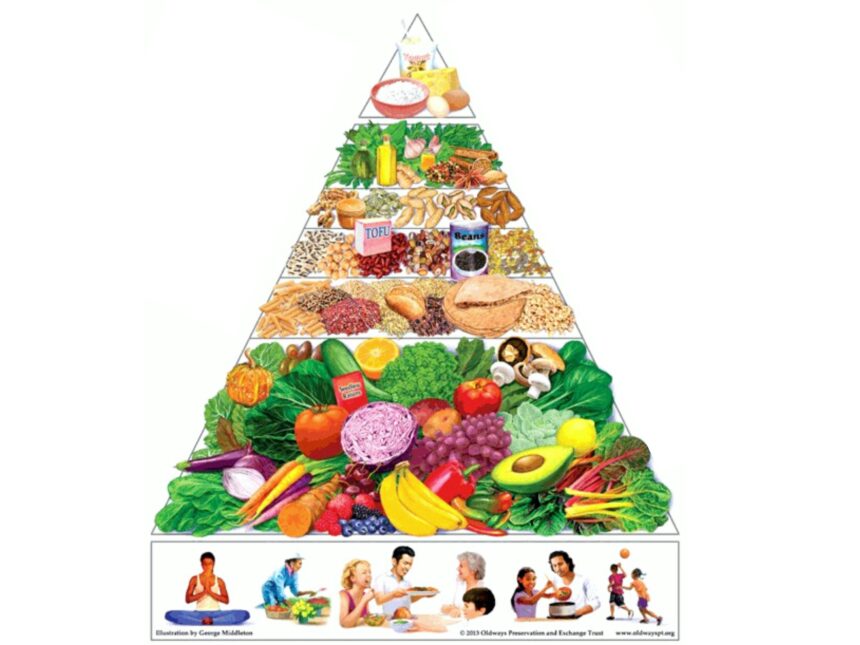
The scientific community has identified dietary patterns that are consistently linked to better cognitive function and a reduced risk of dementia. Two prominent examples are the Mediterranean diet and the MIND (Mediterranean-DASH Intervention for Neurodegenerative Delay) diet. These are not rigid, restrictive plans but rather flexible approaches that emphasize whole, unprocessed foods.
The Mediterranean Diet: A Timeless Approach to Well-being
The traditional Mediterranean diet, inspired by the eating habits of people in countries bordering the Mediterranean Sea, has long been associated with numerous health benefits, including improved cardiovascular health and longevity. It is characterized by:
- Abundant fruits, vegetables, legumes, and whole grains: These provide fiber, vitamins, minerals, and antioxidants.
- Olive oil as the primary source of added fat: Rich in monounsaturated fats, it is anti-inflammatory and antioxidant.
- Moderate consumption of fish and poultry: Excellent sources of lean protein and omega-3 fatty acids (in the case of fish).
- Limited consumption of red meat, dairy, and sweets: These are typically higher in saturated fats and added sugars.
- Regular, moderate consumption of nuts and seeds: Providing healthy fats, fiber, and micronutrients.
- Red wine in moderation (optional): Contains antioxidants, though alcohol consumption should always be mindful.
How it Benefits the Brain:
The Mediterranean diet’s emphasis on anti-inflammatory and antioxidant-rich foods helps protect brain cells from damage. The healthy fats support brain structure and function, while the fiber contributes to stable blood sugar levels, crucial for consistent brain energy.
The MIND Diet: Tailored for Brain Health
The MIND diet is a hybrid of the Mediterranean and DASH (Dietary Approaches to Stop Hypertension) diets, specifically designed to promote brain health. It highlights foods that have been shown to be particularly beneficial for cognitive function and reducing dementia risk. Key components of the MIND diet include:
- Green leafy vegetables: At least six servings per week. These are powerhouses of vitamins, minerals, and antioxidants.
- Other vegetables: At least one serving per day, in addition to leafy greens.
- Berries: At least twice per week, particularly blueberries and strawberries, which are rich in flavonoids known for their neuroprotective properties.
- Nuts: At least five servings per week. A great source of healthy fats, fiber, and vitamin E.
- Olive oil: Used as the primary cooking oil.
- Whole grains: At least three servings per day.
- Fish: At least one serving per week.
- Beans: At least four servings per week.
- Poultry: At least two servings per week.
Foods to Limit on the MIND Diet:
- Red meat: Less than four servings per week.
- Butter and margarine: Less than one tablespoon per day.
- Cheese: Less than one serving per week.
- Pastries and sweets: Less than five servings per week.
- Fried and fast food: Less than one serving per week.
The Scientific Backing of the MIND Diet:
Studies have shown that individuals who adhere more closely to the MIND diet have a significantly lower risk of developing Alzheimer’s disease and experience slower cognitive decline. The diet’s focus on specific nutrient-dense foods and its limitation of detrimental ones create a powerful protective effect for the brain.
Key Food Groups for Optimal Brain Function

Beyond broad dietary patterns, understanding the specific roles of certain food groups can further empower your dietary choices for cognitive health.
The Power of Produce: Fruits and Vegetables
This is arguably the most consistently recommended food group for brain health, and for good reason. The vibrant colors of fruits and vegetables are a testament to their rich content of vitamins, minerals, fiber, and phytonutrients (natural plant compounds with antioxidant and anti-inflammatory properties).
Antioxidant Champions:
- Berries: Blueberries, strawberries, raspberries, and blackberries are packed with anthocyanins, a type of flavonoid that gives them their beautiful colors. These powerful antioxidants can cross the blood-brain barrier and have been shown to improve memory and cognitive function.
- Leafy Greens: Spinach, kale, collard greens, and Swiss chard are rich in vitamins A, C, and K, as well as folate and lutein. These nutrients are crucial for protecting brain cells from oxidative stress and supporting cognitive function.
- Cruciferous Vegetables: Broccoli, cauliflower, and Brussels sprouts contain sulforaphane, a compound with potent anti-inflammatory and antioxidant effects.
- Colorful Vegetables: Carrots, sweet potatoes, bell peppers, and tomatoes are excellent sources of beta-carotene and other carotenoids, which the body converts into vitamin A and act as antioxidants.
The Importance of Fiber:
Fiber, abundant in fruits and vegetables, plays a vital role in regulating blood sugar levels. When blood sugar is stable, the brain receives a consistent supply of glucose, its primary energy source, leading to improved focus and sustained cognitive performance. Fiber also supports a healthy gut microbiome, which is increasingly recognized for its influence on brain health (the “gut-brain axis”).
Healthy Fats: The Brain’s Essential Building Blocks
As mentioned earlier, fats are fundamental to brain structure and function. Focusing on the right types of fats is paramount.
Omega-3 Fatty Acids: The Brain’s Best Friends
- EPA and DHA: These are the most important omega-3 fatty acids for brain health. They are critical components of cell membranes, support neurotransmission, and have potent anti-inflammatory effects.
- Sources: Fatty fish (salmon, mackerel, sardines, anchovies), algae-based supplements (for vegetarians and vegans).
- ALA: Alpha-linolenic acid is a plant-based omega-3 that the body can convert to EPA and DHA, though the conversion rate is low.
- Sources: Flaxseeds, chia seeds, walnuts, soybeans.
Monounsaturated Fats: Support and Protection
- Sources: Olive oil, avocados, nuts (almonds, pistachios), seeds (sunflower seeds, pumpkin seeds).
- Benefits: These fats help reduce inflammation, protect against oxidative stress, and can improve cholesterol levels, which indirectly benefits brain health by ensuring good blood flow.
Limiting Unhealthy Fats:
- Saturated Fats: Found in red meat, butter, cheese, and processed foods. Excessive intake can contribute to inflammation and negatively impact cardiovascular health, which is closely linked to brain health.
- Trans Fats: Often found in processed baked goods, fried foods, and some margarines. These are particularly detrimental, contributing to inflammation and increasing the risk of heart disease and stroke, both of which are risk factors for cognitive decline.
Whole Grains: Sustained Energy and Gut Health
Whole grains are the foundation of a healthy diet for energy and overall well-being, and they play a significant role in supporting cognitive function. Unlike refined grains, whole grains retain all parts of the grain kernel – the bran, germ, and endosperm – providing a rich source of fiber, B vitamins, and minerals.
Sustained Glucose Release:
The complex carbohydrates in whole grains are broken down slowly by the body, leading to a gradual release of glucose into the bloodstream. This steady supply of energy prevents the sharp blood sugar spikes and crashes associated with refined carbohydrates, ensuring that the brain has consistent fuel for optimal function, alertness, and concentration.
Fiber’s Multifaceted Role:
- Blood Sugar Regulation: As discussed, fiber helps stabilize blood sugar, which is crucial for sustained brain energy.
- Gut Health: Fiber acts as a prebiotic, feeding the beneficial bacteria in your gut. A healthy gut microbiome is increasingly linked to improved mood, reduced inflammation, and better cognitive function through the gut-brain axis.
- Cholesterol Management: Fiber can help lower LDL (“bad”) cholesterol, contributing to better cardiovascular health, which in turn supports healthy blood flow to the brain.
Examples of Whole Grains to Incorporate:
- Oats (rolled oats, steel-cut oats)
- Quinoa
- Brown rice
- Barley
- Whole wheat bread and pasta
- Farro
- Buckwheat
Lean Proteins and Legumes: Building Blocks and Beyond
Protein is essential for building and repairing tissues, and the amino acids it provides are precursors to neurotransmitters, the communication molecules of the brain. Legumes, while also a source of protein, offer a unique combination of plant-based protein, fiber, and complex carbohydrates, making them a brain-friendly food.
Neurotransmitter Production:
The amino acids found in protein are the building blocks for a variety of neurotransmitters, including dopamine, serotonin, and norepinephrine, which play crucial roles in mood, motivation, attention, and memory. Ensuring adequate protein intake supports the production of these vital chemical messengers.
Benefits of Legumes:
- Plant Protein: A healthy alternative to animal protein, often lower in saturated fat.
- Fiber Powerhouses: Contributing to blood sugar regulation and gut health.
- Rich in Folate: An important B vitamin for brain health.
- Minerals: Providing iron, magnesium, and zinc, all of which are important for cognitive function.
Delicious and Versatile Brain Boosters:
- Fish: Salmon, mackerel, sardines, tuna (choose light tuna to limit mercury).
- Poultry: Chicken and turkey breast (skinless).
- Eggs: A complete protein source and contain choline, which is important for brain function.
- Beans: Black beans, kidney beans, chickpeas, lentils.
- Tofu and Tempeh: Soy-based options for plant-based protein.
- Nuts and Seeds (as mentioned): Also contribute to protein intake.
Hydration: The Often-Overlooked Essential
Water is essential for every bodily function, and the brain is no exception. Dehydration, even mild, can impair cognitive function, leading to fatigue, reduced concentration, headaches, and mood changes.
How Water Supports the Brain:
- Nutrient Transport: Water carries essential nutrients and oxygen to brain cells.
- Waste Removal: It aids in flushing out toxins and waste products from the brain.
- Temperature Regulation: The brain generates heat, and water helps regulate its temperature.
- Maintaining Cell Volume: Proper hydration ensures that brain cells maintain their optimal shape and volume for efficient communication.
Aim for Adequate Intake:
The recommended daily water intake varies depending on individual factors like activity level, climate, and overall health. A general guideline is to aim for around eight 8-ounce glasses of water per day, but listen to your body’s thirst signals. Water-rich foods like fruits and vegetables also contribute to hydration.
Beyond the Plate: Lifestyle Factors Intertwined with Diet

While diet is a powerful lever for optimizing cognitive health, it’s crucial to remember that it’s part of a larger, interconnected picture. Other lifestyle factors work synergistically with nutrition to support your brain.
The Synergy of Movement, Sleep, and Diet
- Movement: Regular physical activity enhances blood flow to the brain, promotes the growth of new brain cells (neurogenesis), and reduces inflammation. Combined with a nutrient-rich diet, exercise amplifies these brain-boosting benefits.
- Sleep: Restorative sleep is when the brain consolidates memories and clears out waste products. Poor sleep can negatively impact mood, cognitive function, and cravings for unhealthy foods, creating a vicious cycle. A balanced diet can help regulate sleep-wake cycles and provide the nutrients needed for quality sleep.
Managing Stress and Its Impact on Eating Habits
Chronic stress can lead to inflammation, hormonal imbalances, and increased cravings for high-sugar, high-fat “comfort foods.” This can derail even the most carefully planned diet. Practicing stress-management techniques like mindfulness, meditation, or yoga, alongside a brain-healthy diet, creates a more resilient system.
Social Connection and Purpose: Nurturing the Mind
While not directly related to macronutrients, social engagement and having a sense of purpose are vital for cognitive vitality and overall well-being. These factors can influence our motivation to make healthy choices, including dietary ones, and contribute to a positive outlook that enhances cognitive resilience.
Recent studies have highlighted the significant impact of diet on cognitive health, suggesting that certain nutrients can enhance brain function and potentially reduce the risk of cognitive decline. For those interested in exploring this topic further, a related article can be found at Revitalize Your Mind, which delves into the connection between nutrition and mental acuity. By incorporating a balanced diet rich in antioxidants, healthy fats, and essential vitamins, individuals may support their cognitive abilities as they age.
How to Support Your Brain as You Age (Ages 40+)
| Category | Metric | Impact |
|---|---|---|
| Diet | Omega-3 Fatty Acids | Improves cognitive function and reduces risk of dementia |
| Diet | Antioxidants | Protects brain cells from oxidative stress and may reduce risk of cognitive decline |
| Diet | B-vitamins | Supports brain health and may reduce risk of cognitive impairment |
| Diet | Sugar and processed foods | High intake may impair cognitive function and increase risk of cognitive decline |
Making informed dietary choices is a proactive investment in your future cognitive health. Here are 4–6 realistic steps you can start implementing today:
- Embrace a Colorful Plate: Aim to include at least three different colored fruits and vegetables at every meal. This ensures a wide range of vitamins, minerals, and antioxidants.
- Prioritize Whole Foods: Gradually shift away from highly processed foods and focus on unprocessed ingredients. Choose whole grains, lean proteins, and healthy fats as the staples of your diet.
- Make Olive Oil Your Go-To: Use extra virgin olive oil for cooking and dressings. Replace butter and margarine whenever possible.
- Include Fatty Fish Weekly: Aim for at least two servings of fatty fish like salmon or mackerel each week, or consider a daily algae-based omega-3 supplement.
- Stay Hydrated: Keep a water bottle handy throughout the day and sip regularly. Pay attention to your body’s thirst cues.
- Mindful Indulgence: Enjoy treats in moderation. The focus is on a consistent pattern of healthy eating, not on perfection. If you occasionally indulge, don’t let it derail your overall progress.
By incorporating these principles into your daily life, you can build a strong foundation for cognitive vitality, reduce your risk of cognitive decline, and enhance your overall well-being as you age. Your brain is a remarkable organ, and with the right nourishment and lifestyle choices, you can help it thrive for years to come.
FAQs
What is the connection between diet and cognitive health?
A healthy diet can have a positive impact on cognitive health. Certain nutrients, such as omega-3 fatty acids, antioxidants, and vitamins, have been linked to improved brain function and a reduced risk of cognitive decline.
What are some foods that are beneficial for cognitive health?
Foods that are beneficial for cognitive health include fatty fish (such as salmon and trout), blueberries, turmeric, broccoli, pumpkin seeds, and dark chocolate. These foods are rich in nutrients that support brain function and may help protect against cognitive decline.
How does diet affect the risk of developing conditions like dementia and Alzheimer’s disease?
Research suggests that a healthy diet, particularly one that is rich in fruits, vegetables, whole grains, and lean proteins, may help reduce the risk of developing conditions like dementia and Alzheimer’s disease. Conversely, a diet high in processed foods, sugar, and unhealthy fats may increase the risk of cognitive decline.
Are there specific diets that are recommended for cognitive health?
While there is no one-size-fits-all diet for cognitive health, the Mediterranean diet has been widely studied and shown to have positive effects on brain health. This diet emphasizes fruits, vegetables, whole grains, fish, and healthy fats, and has been associated with a reduced risk of cognitive decline.
Can dietary changes improve cognitive function in older adults?
Yes, making dietary changes can potentially improve cognitive function in older adults. Studies have shown that adopting a healthier diet, such as the Mediterranean diet, can lead to better cognitive performance and a lower risk of cognitive impairment in older age.