


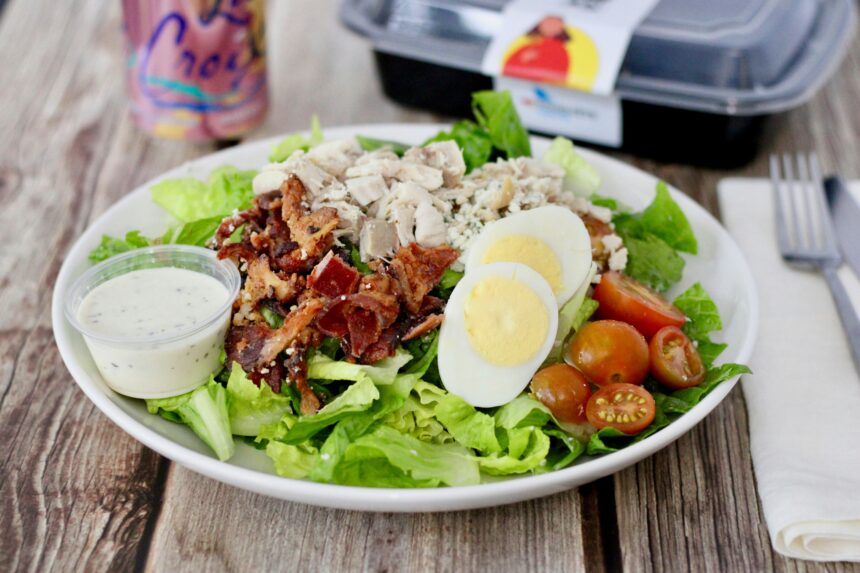
As we journey through life, the food we choose becomes an even more powerful tool for health and longevity. On AgingDecoded.com, in our “Nutrition & Longevity Diet” category, we champion an eating philosophy deeply rooted in science and observed healthy aging patterns worldwide: a predominantly plant-based, Mediterranean-style approach. This isn’t about rigid rules, but rather a delicious and sustainable way to nourish your body and thrive for decades to come.
Imagine a plate overflowing with vibrant vegetables, deeply colored fruits, hearty legumes, and satisfying whole grains. Drizzled with golden olive oil, punctuated by nutrient-dense nuts and seeds, and occasionally featuring a succulent piece of fish – this is the essence of longevity eating. What’s notably absent? An abundance of processed foods, refined sugars, empty carbohydrates, and excessive alcohol, which offer little nutritional value and can actively detract from our health.
For centuries, communities with remarkable longevity, often dubbed “Blue Zones,” have organically adopted similar dietary patterns. Whether it’s the centenarians of Sardinia, Okinawa, or Loma Linda, their plates consistently feature beans as a cornerstone, abundant leafy greens, nourishing sweet potatoes, and a regular intake of nuts. These patterns aren’t coincidental; they are a testament to the power of whole, unprocessed foods in supporting a long and vibrant life.
The Power of Plants for Longevity
The abundance of plant-based foods in this dietary approach is a primary driver of its longevity benefits. Fruits, vegetables, legumes, and whole grains are packed with a symphony of vitamins, minerals, fiber, and phytonutrients – compounds that act as powerful antioxidants and anti-inflammatories.
Anti-Inflammatory Eating: Cooling the Flames of Aging
Chronic low-grade inflammation is a silent but significant contributor to many age-related diseases, from heart disease and diabetes to cognitive decline and certain cancers. A diet rich in plant foods naturally combats this inflammation. For example, the colorful pigments in berries and leafy greens (anthocyanins and chlorophyll, respectively) are potent antioxidants that neutralize harmful free radicals, reducing oxidative stress and inflammation. Olive oil, a cornerstone of the Mediterranean diet, is rich in monounsaturated fatty acids and polyphenols, both of which have well-documented anti-inflammatory properties. By consistently choosing these foods, we effectively “cool the flames” of chronic inflammation, protecting our cells and organs over time.
Gut Health: Your Internal Garden of Longevity
Our gut microbiome – the trillions of bacteria living in our intestines – plays a profound role in our overall health, influencing everything from our immune system and mood to nutrient absorption and disease risk. The fiber found in abundance in vegetables, fruits, legumes, and whole grains acts as a prebiotic, feeding the beneficial bacteria in our gut. A diverse and healthy gut microbiome is associated with reduced inflammation, improved metabolic health, and even better cognitive function. Conversely, a diet high in processed foods and sugar can disrupt this delicate balance, leading to dysbiosis and contributing to various health problems. Think of fiber as the fertilizer for your internal garden; a thriving garden means a thriving you.
For individuals over 50, understanding the importance of protein intake is crucial for maintaining muscle mass and overall health. A related article that delves into this topic can be found at Aging Decoded, where it discusses the optimal protein requirements for older adults and how it can impact longevity and vitality.
Protein Needs in Midlife and Beyond
While a plant-rich diet is central, it’s crucial to address protein needs, particularly as we age. After the age of 40, we begin to experience a gradual loss of muscle mass and strength, a process known as sarcopenia. Adequate protein intake is vital to counteract this, help maintain muscle mass, and support bone health.
The Importance of Quality Protein
It’s not just about quantity; quality matters. Aim for lean protein sources that are easily digestible and provide a full spectrum of essential amino acids. In a Mediterranean-style diet, excellent protein sources include fish (especially fatty fish like salmon, sardines, and mackerel, rich in omega-3 fatty acids), legumes (beans, lentils, chickpeas), nuts, seeds, and smaller amounts of poultry or dairy if consumed. Plant-based proteins, when consumed in variety, can easily meet protein requirements. For instance, combining lentils with whole grains creates a complete protein profile.
Timing and Distribution
Spreading protein intake throughout the day, rather than consuming a large amount in one meal, can be more effective for muscle protein synthesis. Aiming for around 20-30 grams of protein at each main meal can be a good strategy. Listen to your body and work with a healthcare professional or registered dietitian to determine your individual protein needs, which can vary based on activity level and health conditions.
Calorie Density Without Extreme Restriction
Our approach to longevity eating emphasizes nutrient density over strict calorie restriction. This means choosing foods that deliver the most nutrients for the fewest calories, without leaving you feeling deprived.
The Magic of Whole Foods
Whole, unprocessed foods are inherently more nutrient-dense and satisfying than their processed counterparts. Vegetables, fruits, and whole grains offer bulk and fiber, which promote satiety and help regulate appetite naturally. For example, a handful of almonds provides healthy fats, fiber, and protein, offering sustained energy and fullness, whereas a sugary snack might provide quick energy followed by a crash and renewed hunger.
Mindful Eating and Portion Awareness
Rather than focusing on extreme calorie counting, cultivate mindful eating habits. Pay attention to your body’s hunger and fullness cues. Savor your meals. This approach allows for a natural regulation of calorie intake without the psychological burden of strict restriction. While calorie density is a factor, the emphasis remains on enriching your diet with nutritious foods rather than cutting out entire food groups in an effort to reduce calories.
Fasting and Time-Restricted Eating: A Gentle Approach
Beyond what we eat, when we eat can also play a role in healthy aging. Fasting, particularly in the form of time-restricted eating, has gained attention for its potential benefits, including improved metabolic health, reduced inflammation, and cellular repair processes (autophagy).
Understanding Time-Restricted Eating
Time-restricted eating typically involves consuming all your daily calories within a specific window, often 8-12 hours, and abstaining from food for the remaining hours. This is not about prolonged starvation or extreme calorie deprivation, but rather about creating a consistent period of non-eating that allows your body to rest and repair. For example, you might choose to eat between 10 AM and 6 PM.
Individualized Approaches
It’s important to note that time-restricted eating is not for everyone, and individual responses can vary. It’s crucial to discuss any fasting protocols with your healthcare provider, especially if you have underlying health conditions or are taking medications. The goal is to incorporate these practices thoughtfully and sustainably, integrating them into a healthy lifestyle rather than viewing them as a quick fix or an extreme measure. For many, simply avoiding late-night snacking and allowing a longer overnight fast can offer benefits without feeling restrictive.
As we age, maintaining a balanced diet becomes increasingly important, especially when it comes to protein intake for those over 50. Research shows that adequate protein consumption can help preserve muscle mass and support overall health. For a deeper understanding of how mindfulness practices can enhance cognitive resilience, you may find this article on cultivating mindfulness particularly enlightening. It highlights the connection between mental well-being and physical health, emphasizing the holistic approach needed for aging gracefully.
How to Eat for Longevity: Practical Swaps for Over 40
Making dietary shifts doesn’t have to be overwhelming. Here are 4-6 realistic food and habit swaps you can implement today to embrace a more longevity-focused eating style, especially if you’re over 40:
- Swap White Grains for Whole Grains: Instead of white bread, pasta, and rice, choose 100% whole wheat bread, whole grain pasta, brown rice, quinoa, and oats. This significantly boosts your fiber, B vitamins, and mineral intake, supporting gut health and stable blood sugar.
- Swap Sugary Drinks for Water (or green tea): Ditch sodas, sweetened juices, and sugary coffee drinks. Gravitate towards plain water, sparkling water with a squeeze of lemon, or unsweetened green tea. This dramatically reduces your sugar intake, benefiting metabolism and reducing inflammation.
- Swap Processed Snacks for Nuts & Seeds: Instead of chips, cookies, or crackers, snack on a handful of almonds, walnuts, chia seeds in yogurt, or pumpkin seeds. These provide healthy fats, protein, and fiber, promoting satiety and offering a wealth of micronutrients.
- Swap Red Meat Focus for Legumes & Fish: Gradually reduce your consumption of red and processed meats, and increase your intake of legumes (lentils, chickpeas, black beans) and fatty fish (salmon, sardines) a few times a week. This shifts your protein sources towards options that are lower in saturated fat and higher in gut-healthy fiber and anti-inflammatory omega-3s.
- Swap “Fast Food” for Home-Cooked, Veggie-Rich Meals: Make cooking at home with fresh ingredients a priority. Start by adding an extra serving of vegetables to every meal. This gives you control over ingredients, reduces unhealthy fats, and ensures a higher intake of essential vitamins and minerals.
- Swap Butter/Margarine for Extra Virgin Olive Oil: Use high-quality extra virgin olive oil as your primary fat for cooking, dressings, and finishing dishes. Its monounsaturated fats and polyphenols are powerful allies against inflammation and oxidative stress.
By embracing these simple yet profound shifts, you’re not just changing what you eat; you’re investing in your future health, vitality, and a longer, more fulfilling life. The longevity plate is not a diet to endure, but a lifestyle to savor.
FAQs
1. Why is protein important for adults over 50?
Protein is essential for maintaining muscle mass, bone health, and overall physical function as we age. It also plays a crucial role in supporting the immune system and promoting healthy aging.
2. How much protein should adults over 50 consume daily?
The recommended dietary allowance (RDA) for protein for adults over 50 is 0.8 grams per kilogram of body weight. However, some experts suggest that older adults may benefit from consuming 1.0-1.2 grams of protein per kilogram of body weight to support muscle health and prevent age-related muscle loss.
3. What are good sources of protein for adults over 50?
Good sources of protein for adults over 50 include lean meats, poultry, fish, eggs, dairy products, legumes, nuts, and seeds. Incorporating a variety of these protein sources into the diet can help ensure adequate intake of essential amino acids and other nutrients.
4. Can older adults benefit from consuming protein supplements?
For older adults who have difficulty meeting their protein needs through food alone, protein supplements such as protein powders or shakes can be a convenient way to increase protein intake. However, it’s important to consult with a healthcare professional before adding supplements to the diet.
5. Are there any risks associated with consuming too much protein for adults over 50?
Consuming excessive amounts of protein, especially from animal sources, may be associated with an increased risk of kidney damage, bone health issues, and other health concerns. It’s important for older adults to balance their protein intake with a variety of other nutrients and to seek guidance from a healthcare professional if they have concerns about their protein consumption.