


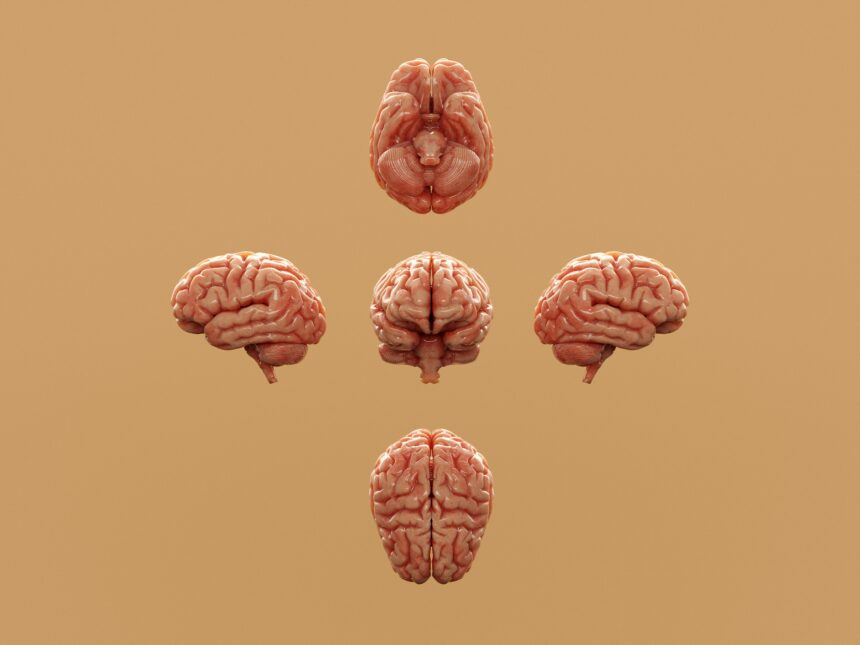
The human brain is a remarkable organ, capable of complex thought, emotion, and memory. As we age, it’s natural to wonder how our minds will fare. While some cognitive changes are a part of normal aging, the idea that a significant decline is inevitable is a myth. The exciting news is that we have considerable power to influence our brain’s health and resilience throughout our lives. On AgingDecoded.com, we’re dedicated to exploring these pathways to a sharper, healthier mind.
In this article, we’re diving into the powerful connection between exercise and a fascinating brain process called neurogenesis, along with other crucial lifestyle factors that contribute to robust cognitive function. We’ll use clear, reassuring language, focusing on evidence-based habits, and steer clear of alarmist predictions or unrealistic promises.
For a long time, the prevailing scientific view was that the adult brain was largely fixed, with a limited capacity for creating new neurons. We were born with a certain number, and that was that. However, decades of research have revolutionized our understanding. We now know that our brains are remarkably plastic, meaning they can reorganize themselves by forming new neural connections throughout life. This process is called neuroplasticity, and neurogenesis – the birth of new neurons – is a key component of it.
What is Neurogenesis and Why is it Important?
Neurogenesis is the process by which new neurons are created. While it’s most active during fetal development, it continues, albeit at a slower rate, into adulthood, particularly in specific regions of the brain like the hippocampus. The hippocampus is a critical area for learning and memory, as well as for regulating mood.
The presence of new neurons and the connections they form are vital for:
- Learning and Memory Formation: New neurons help us form new memories and adapt to new information.
- Mood Regulation: The hippocampus plays a role in managing our emotional responses.
- Cognitive Flexibility: The ability to switch between tasks and adapt to changing situations is supported by a healthy, dynamic brain.
- Resilience to Brain Injury and Disease: Having a greater capacity for neurogenesis can help the brain compensate for damage or the effects of neurodegenerative diseases.
The exciting implication of this is that we can actively foster neurogenesis and neuroplasticity through our lifestyle choices, directly impacting our cognitive function, mood, and even our risk of developing dementia later in life.
Recent research has highlighted the connection between exercise and neurogenesis, emphasizing how physical activity can promote the growth of new neurons in the brain. A fascinating article that explores this topic further is available at New Mindfulness Rooms Enhance Cognitive Resilience at CAE. This piece discusses innovative approaches to enhancing cognitive function and resilience, including the role of mindfulness and exercise in fostering brain health.
Boosting Brain Power: The Link Between Exercise and Neurogenesis
Among the many lifestyle factors that influence brain health, regular physical activity stands out as a potent stimulator of neurogenesis. It’s not just about building stronger muscles; it’s about building a stronger, more resilient brain.
How Exercise Stimulates the Brain
When you engage in physical activity, whether it’s a brisk walk, a swim, or a dance class, your body undergoes a cascade of beneficial changes that directly impact your brain:
Increased Blood Flow to the Brain
- Delivering Vital Nutrients: Exercise significantly increases blood flow throughout the body, including to your brain. This enhanced circulation ensures that your brain receives a steady supply of oxygen and essential nutrients, which are the building blocks for healthy brain cells and their function.
- Clearing Waste Products: Improved blood flow also helps to efficiently remove metabolic waste products from the brain, a crucial process for maintaining cellular health and preventing the buildup of toxins associated with cognitive decline.
Release of Brain-Derived Neurotrophic Factor (BDNF)
- BDNF: The Brain’s Fertilizer: One of the most celebrated outcomes of exercise is the release of a protein called Brain-Derived Neurotrophic Factor (BDNF). Think of BDNF as a “fertilizer” for your brain cells. It acts like a growth hormone for neurons, promoting their survival, growth, and the formation of new connections (synapses).
- Impact on Hippocampus: BDNF levels are particularly crucial for the hippocampus. Studies have shown that exercise can significantly increase BDNF production in this brain region, directly supporting neurogenesis and the processes of learning and memory.
- Mood Enhancement: Beyond its role in cognitive function, BDNF also plays a role in regulating mood. This is one reason why exercise is so effective in alleviating symptoms of depression and anxiety.
Reduced Inflammation
- Chronic Inflammation and Brain Health: Chronic, low-grade inflammation in the body can negatively impact brain health and is increasingly linked to cognitive impairment and dementia.
- Exercise as an Anti-Inflammatory: Regular physical activity has potent anti-inflammatory effects. By reducing systemic inflammation, exercise helps protect brain cells from damage and supports a healthier brain environment conducive to neurogenesis.
Improved Sleep Quality
- The Sleep-Brain Connection: Sleep is a vital period for brain repair, consolidation of memories, and clearing out metabolic waste. Exercise, particularly when done consistently, can significantly improve the quality and duration of sleep.
- Synergistic Benefits: Better sleep, in turn, supports a healthier brain and further enhances the positive effects of exercise on neurogenesis and cognitive function.
Types of Exercise and Their Brain Benefits
While any form of movement is beneficial, different types of exercise can offer nuanced advantages for brain health:
Aerobic Exercise
- The Powerhouse for BDNF: Aerobic activities, such as brisk walking, jogging, swimming, cycling, and dancing, are particularly effective at increasing BDNF levels and improving cardiovascular health, which directly benefits the brain.
- Endurance and Stamina: These activities build physical endurance, which translates to sustained cognitive endurance by improving the brain’s ability to function for longer periods.
Strength Training
- Beyond Muscle Building: While often associated with physical strength, resistance training also has significant benefits for brain health. It can improve insulin sensitivity, which is important for brain energy metabolism, and can also contribute to a reduction in inflammation.
- Cognitive Function: Some research suggests that strength training can also positively impact executive functions, such as planning, problem-solving, and working memory.
Mind-Body Exercises
- Yoga and Tai Chi: Practices like yoga and Tai Chi combine physical movement with mindfulness and breath control. They are excellent for reducing stress, improving balance and coordination, and fostering a sense of well-being, all of which indirectly support brain health and cognitive function.
It’s not about becoming an elite athlete; it’s about finding enjoyable ways to move your body consistently.
The Crucial Role of Sleep in Brain Restoration

Just as exercise nourishes the brain, restorative sleep is when the brain performs essential maintenance, consolidation, and cleansing. Depriving yourself of adequate sleep is akin to neglecting your brain’s vital repair shop.
The Brain’s Nightly Rejuvenation Process
During sleep, your brain is far from idle. It’s actively engaged in several critical processes:
Memory Consolidation and Learning
- Locking in Memories: While you’re asleep, your brain processes and consolidates the information and experiences from the day. This is how new learning is transferred from short-term to long-term memory.
- Neural Pathway Strengthening: Sleep helps to strengthen the neural connections important for learned information, making recall easier and more efficient. This directly supports learning and cognitive function.
Glymphatic System: The Brain’s Waste Removal Service
- Clearing Out Toxins: A groundbreaking discovery in recent years is the glymphatic system, the brain’s unique waste disposal network. During sleep, particularly deep sleep, this system becomes significantly more active, flushing out metabolic byproducts and potentially harmful proteins, such as amyloid-beta, which are implicated in Alzheimer’s disease.
- Preventing Buildup: Consistent, quality sleep is essential for the efficient functioning of the glymphatic system, preventing the accumulation of substances that can impair neuronal function and increase dementia risk.
Emotional Regulation and Mood
- Processing Emotions: Sleep plays a vital role in processing and regulating our emotions. Lack of sleep can lead to increased irritability, heightened emotional reactivity, and a greater susceptibility to negative moods.
- Mental Well-being: Adequate sleep is foundational for good mental health, impacting our ability to cope with stress and maintain a positive outlook.
Habits for Restorative Sleep
Prioritizing sleep hygiene is as important as any brain-boosting activity:
- Consistent Sleep Schedule: Aim to go to bed and wake up around the same time each day, even on weekends, to regulate your body’s natural sleep-wake cycle (circadian rhythm).
- Create a Relaxing Bedtime Routine: Engage in calming activities before bed, such as reading a book, taking a warm bath, or listening to soothing music.
- Optimize Your Sleep Environment: Ensure your bedroom is dark, quiet, and cool.
- Limit Screen Time Before Bed: The blue light emitted from electronic devices can interfere with melatonin production, a hormone essential for sleep.
- Be Mindful of Diet and Exercise: Avoid heavy meals and caffeine close to bedtime. Regular exercise can improve sleep quality, but avoid intense workouts too close to sleep.
Fueling Your Brain: The Power of Nutrition

What you eat directly impacts the health and function of your brain. While no single food is a magic bullet, a consistent, brain-friendly diet can make a significant difference in cognitive longevity and reduce dementia risk.
The Mediterranean and MIND Diets: Proven Approaches
Two dietary patterns have consistently shown strong links to better brain health and a reduced risk of cognitive decline and dementia: the Mediterranean Diet and the MIND Diet (Mediterranean-DASH Intervention for Neurodegenerative Delay). These diets emphasize whole, unprocessed foods.
Key Components of a Brain-Healthy Diet:
- Leafy Green Vegetables: Packed with antioxidants, vitamins, and minerals crucial for brain function. Aim for at least one serving daily.
- Other Vegetables: A variety of colorful vegetables provides a broad spectrum of nutrients.
- Berries: Rich in flavonoids, antioxidants that studies suggest can improve memory and cognitive function. Blueberries, in particular, are often highlighted.
- Nuts and Seeds: Provide healthy fats, vitamin E, and other antioxidants that protect brain cells.
- Whole Grains: Offer sustained energy for the brain and contain B vitamins important for cognitive health.
- Fish (especially fatty fish like salmon, mackerel, sardines): An excellent source of omega-3 fatty acids, which are essential building blocks of brain cell membranes and have anti-inflammatory properties. Aim for at least two servings per week.
- Olive Oil: A staple of the Mediterranean diet, rich in monounsaturated fats and antioxidants.
- Lean Meats and Poultry: Provide protein and essential nutrients.
- Legumes (beans, lentils): A good source of fiber, protein, and essential vitamins.
What to Limit:
- Red Meat and Processed Meats: High intake is associated with increased risk of cognitive decline.
- Butter and Margarine: Saturated and trans fats can be detrimental to brain health.
- Cheese: High intake of saturated fat.
- Pastries and Sweets: High sugar intake can contribute to inflammation and insulin resistance, both harmful to the brain.
- Fried and Fast Food: Often high in unhealthy fats and processed ingredients.
By adopting these dietary principles, you’re providing your brain with the fuel it needs to function optimally and build resilience against age-related changes.
Recent studies have highlighted the fascinating connection between exercise and neurogenesis, the process by which new neurons are formed in the brain. Engaging in regular physical activity not only enhances cognitive function but also promotes brain health by stimulating the production of neurotrophic factors. For those interested in exploring this topic further, an insightful article can be found at Aging Decoded, which delves into the essential aspects of how exercise influences brain development and overall well-being.
The Ripple Effect: Social Connection, Stress Management, and Mental Health
| Study | Findings |
|---|---|
| Research 1 | Regular exercise promotes neurogenesis in the hippocampus, improving memory and cognitive function. |
| Research 2 | High-intensity interval training (HIIT) has been shown to increase neurogenesis and improve brain health. |
| Research 3 | Combining aerobic exercise with strength training has a synergistic effect on promoting neurogenesis. |
The brain doesn’t operate in a vacuum. Our social interactions, our ability to manage stress, and our overall mental well-being are deeply intertwined with cognitive health.
Staying Socially Connected: More Than Just Friendship
Humans are inherently social beings, and maintaining strong social connections is not just good for our emotional health; it’s crucial for our cognitive health.
How Social Engagement Supports the Brain:
- Cognitive Stimulation: Social interactions often involve complex communication, problem-solving, and perspective-taking, all of which provide valuable mental exercise.
- Reduced Stress and Improved Mood: Feeling connected and supported can buffer the effects of stress and lead to a more positive outlook.
- Reduced Dementia Risk: Studies have consistently shown that individuals who are more socially engaged have a lower risk of developing dementia. The mental engagement and emotional support derived from social ties appear to build cognitive reserve, making the brain more resilient to age-related changes and disease.
Nurturing Social Connections:
- Prioritize relationships: Make time for friends and family, whether through regular calls, visits, or shared activities.
- Join clubs or groups: Pursue hobbies or interests with like-minded individuals.
- Volunteer: Contributing to your community can provide a sense of purpose and social interaction.
- Embrace new connections: Be open to meeting new people.
Managing Stress: Protecting Your Brain from Harm
Chronic stress can have detrimental effects on the brain, impacting memory, executive function, and even contributing to structural changes.
The Impact of Chronic Stress:
- Cortisol’s Toll: Prolonged exposure to stress hormones like cortisol can damage the hippocampus, impairing learning and memory.
- Inflammation: Stress can exacerbate inflammation throughout the body, including in the brain.
- Reduced Neurogenesis: Chronic stress has been shown to inhibit neurogenesis, the very process we aim to boost.
Effective Stress Management Techniques:
- Mindfulness and Meditation: These practices can help calm the nervous system and improve focus.
- Deep Breathing Exercises: Simple yet effective for reducing immediate stress.
- Regular Exercise: As discussed, it’s a powerful stress reliever.
- Spending Time in Nature: A proven way to reduce stress and enhance well-being.
- Setting Boundaries: Learning to say no and protect your time and energy.
- Seeking Professional Support: Therapists can provide tools and strategies for managing chronic stress and its effects.
Prioritizing Mental Health: Mood and Cognition are Linked
Our mental health, particularly conditions like depression and anxiety, has a profound impact on our cognitive function and our brain’s ability to age well.
The Brain-Mood Connection:
- Neurotransmitter Influence: Mood disorders are often linked to imbalances in neurotransmitters that also play a role in cognitive processes.
- Hippocampal Sensitivity: Depression, for instance, can affect the hippocampus, impacting memory and learning. Anxiety can impair focus and working memory.
- Increased Inflammation: Mental health conditions can contribute to chronic inflammation, which is detrimental to brain health.
Addressing Mental Health:
- Seek Professional Help: Don’t hesitate to consult a doctor or mental health professional if you’re experiencing persistent feelings of sadness, anxiety, or loss of interest.
- Therapy and Counseling: Cognitive Behavioral Therapy (CBT) and other therapeutic approaches can be highly effective.
- Medication: For some, medication can be an essential part of managing mood disorders.
- Lifestyle Support: Implementing the brain-healthy habits discussed throughout this article can significantly support mental well-being.
Recent studies have highlighted the fascinating connection between exercise and neurogenesis, revealing how physical activity can stimulate the growth of new neurons in the brain. This process is crucial for enhancing cognitive function and improving mental health. For those interested in exploring this topic further, a related article discusses the benefits of various natural supplements that may support neurogenesis, including the intriguing properties of cilantrolime. You can read more about it in this insightful piece on cilantrolime.
Challenging Your Brain: The Power of Learning and Engagement
The idea that we stop learning after school is a misconception. Our brains thrive on novelty and challenge, and actively engaging them is a cornerstone of cognitive longevity.
The Brain as a “Use It or Lose It” Organ
Just as muscles need to be used to stay strong, our neural pathways need regular engagement to remain robust.
Lifelong Learning and Cognitive Reserve:
- Building Cognitive Reserve: Regularly challenging your brain with new information and skills helps to build “cognitive reserve.” This is the brain’s ability to withstand damage and maintain cognitive function despite accumulating changes.
- Neuroplasticity in Action: Learning new things, whether it’s a new language, a musical instrument, or a complex skill, actively promotes neuroplasticity by creating new neural connections.
- Enhanced Problem-Solving and Creativity: A challenged brain is often a more adaptable and creative brain, better equipped to tackle life’s complexities.
Meaningful Activities and Purpose:
- Purpose as a Motivator: Having a sense of purpose and engaging in activities that feel meaningful can significantly contribute to well-being and cognitive vitality. This could be through work, hobbies, caring for loved ones, or contributing to a cause.
- Engagement and Stimulation: Meaningful activities provide ongoing stimulation and engagement, keeping the brain active and alert.
How to Keep Your Brain Sharp:
- Read widely: Explore different genres and subjects.
- Learn a new skill: Take a class, watch tutorials, or practice a new craft.
- Engage in puzzles and games: Crosswords, Sudoku, and strategy games can be beneficial.
- Travel: Experience new cultures and environments.
- Pursue hobbies: Engage in activities you are passionate about.
- Teach others: Explaining concepts can solidify your own understanding.
Protecting Your Senses: Hearing and Vision’s Role
It might seem surprising, but protecting your hearing and vision is directly linked to cognitive health.
The Untapped Connection
- Sensory Input and Brain Processing: Our senses are our primary gateways to the world. When hearing or vision is impaired, the brain has to work harder to process information, which can divert resources from other cognitive functions.
- Social Isolation and Mood: Hearing loss, in particular, can lead to social isolation, as individuals may find it difficult to participate in conversations. This isolation, as we’ve discussed, is detrimental to cognitive health and can increase the risk of depression.
- Dementia Risk: Studies have shown a correlation between untreated hearing loss and an increased risk of dementia. While the exact mechanisms are still being explored, it’s believed that increased cognitive load, social isolation, and potential brain structural changes all play a role.
Practical Steps for Sensory Health:
- Regular Eye Exams: Ensure your vision is corrected and any potential issues are addressed early.
- Hearing Assessments: Don’t ignore signs of hearing loss. Consult an audiologist for an evaluation.
- Use Hearing Protection: When exposed to loud noises (concerts, machinery), use earplugs to prevent damage.
- Manage Other Health Conditions: Conditions like diabetes and high blood pressure can affect vision and hearing, so managing them is crucial.
How to Support Your Brain as You Age (for People Over 40)
The good news is that it’s never too late to start building healthier habits. Even small, consistent changes can have a significant impact on your brain health as you age. Here are 4-6 realistic steps to get you started:
- Move Your Body Most Days: Aim for at least 30 minutes of moderate-intensity aerobic activity (like brisk walking, dancing, or cycling) most days of the week. If you’re new to exercise, start with shorter durations and gradually increase.
- Prioritize 7-9 Hours of Quality Sleep: Establish a consistent sleep schedule, create a relaxing bedtime routine, and optimize your sleep environment. Notice how you feel on mornings after a good night’s sleep – that’s your brain thanking you!
- Embrace a Brain-Healthy Diet: Focus on incorporating more leafy greens, colorful vegetables, berries, nuts, seeds, and fatty fish into your meals. Gradually reduce your intake of processed foods, sugary drinks, and saturated fats. Think of it as fueling your brain with the best available ingredients.
- Stay Socially Connected and Engaged: Make an effort to nurture your existing relationships and seek out new opportunities for social interaction. Whether it’s a weekly coffee date with a friend or joining a local book club, prioritize these connections.
- Manage Stress and Nurture Your Mental Health: Explore stress-reduction techniques that resonate with you, such as mindfulness, deep breathing, or spending time in nature. If you’re struggling with persistent low mood or anxiety, reach out for professional support – it’s a sign of strength, not weakness.
- Challenge Your Brain with Lifelong Learning: Commit to learning something new regularly. This could be reading a new book on a different topic, taking an online course, or practicing a new hobby that requires focus and problem-solving.
By integrating these evidence-based habits into your life, you are actively investing in your cognitive future, promoting a sharper mind, a more positive mood, and a reduced risk of dementia. Your brain’s capacity for growth and resilience is truly remarkable, and you have the power to nurture it for years to come.
FAQs
What is neurogenesis?
Neurogenesis is the process by which new neurons are formed in the brain. It occurs primarily in the hippocampus, a region of the brain associated with learning and memory.
How does exercise impact neurogenesis?
Exercise has been shown to increase the rate of neurogenesis in the brain. Physical activity can stimulate the production of new neurons and promote their survival and integration into existing neural networks.
What types of exercise are most beneficial for neurogenesis?
Both aerobic exercise and resistance training have been found to promote neurogenesis. Aerobic exercise, such as running or swimming, has been shown to have particularly strong effects on the production of new neurons.
What are the potential benefits of increased neurogenesis through exercise?
Increased neurogenesis has been linked to improved cognitive function, enhanced learning and memory, and a reduced risk of age-related cognitive decline. It may also play a role in the treatment and prevention of certain neurological and psychiatric disorders.
How much exercise is needed to promote neurogenesis?
The exact amount of exercise needed to promote neurogenesis is not yet fully understood, but studies suggest that regular, moderate-intensity exercise is beneficial for brain health. Current recommendations suggest at least 150 minutes of moderate-intensity aerobic exercise per week, along with muscle-strengthening activities on two or more days per week.