


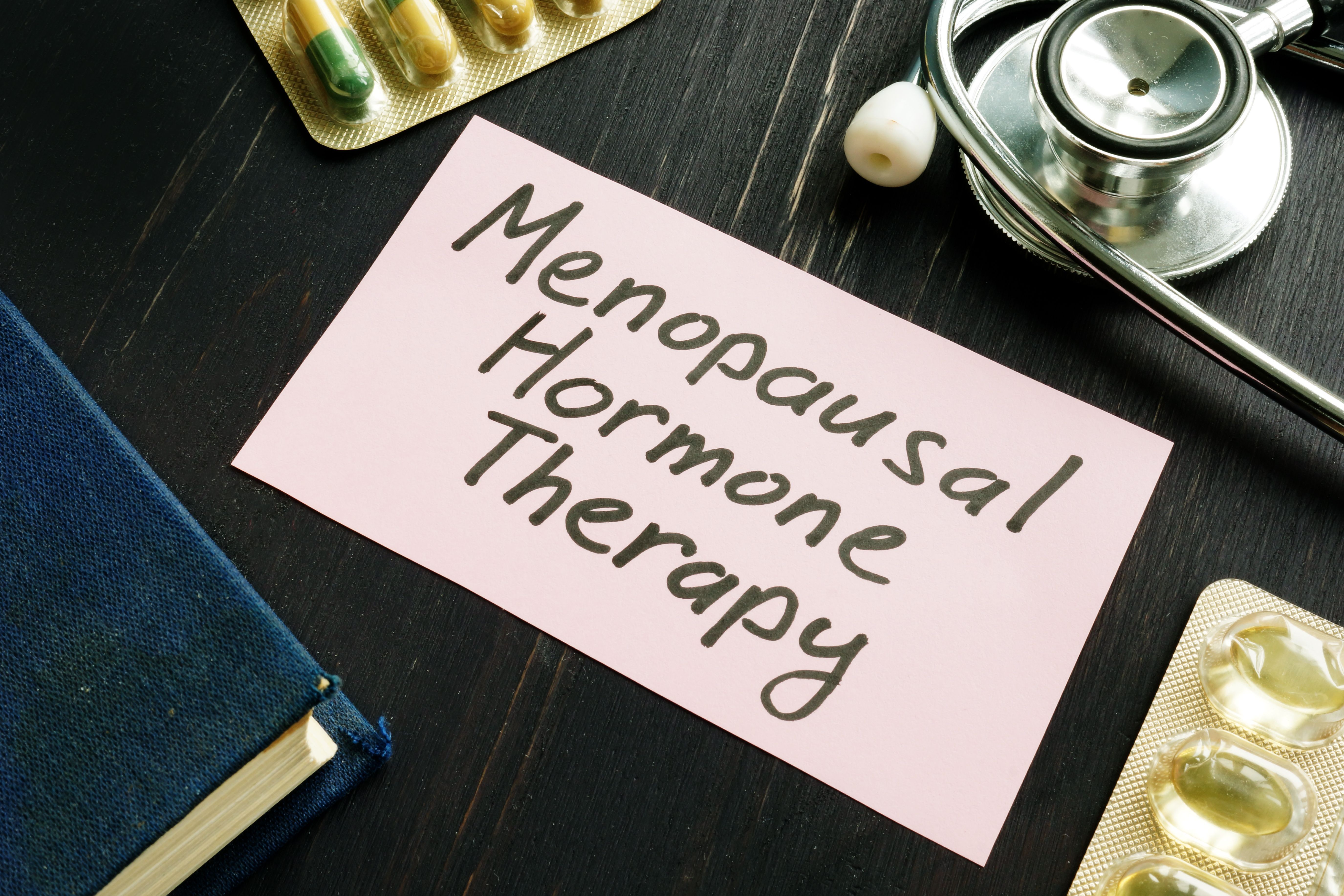
Reimagining Hormone Replacement Therapy: A Personal Journey
The Evolution of HRT and Its Impact on Women’s Lives
As I reflect on my own journey through hormonal changes, the recent news about hormone replacement therapy (HRT) feels like a beacon of hope. It wasn’t long ago that the FDA slapped a black box warning on HRT, casting a long shadow over its potential benefits based on findings from the Women’s Health Initiative (WHI) in 2002. That study suggested an increased risk of breast cancer with certain treatments, which left many women, myself included, feeling anxious about seeking relief for menopausal symptoms.
Now, in a surprising turn of events, the Department of Health and Human Services (HHS) has announced plans to remove these warnings from various product classes that include estrogen and estrogen-progesterone replacement therapies. This decision aims to restore “gold-standard science to women’s health,” highlighting how often our understanding evolves as new research comes to light.
The Target Audience: Women Navigating Menopause
The primary focus of this shift is on women grappling with menopausal symptoms—those moments when life feels like it’s shifting beneath your feet. You know what I mean: those waves of heat that hit out of nowhere or the fatigue that settles in during midafternoon like an uninvited guest. The removal of warnings applies to four product categories: all combined estrogen-progestogen therapies, estrogen alone, other estrogen-containing products, and progestogen-only options.
A Collaborative Approach to Safety
This change didn’t happen in isolation; it stems from extensive collaboration involving scientific literature reviews and public commentary—efforts aimed at truly understanding women’s needs during this stage of life. The agency’s commitment also includes working with pharmaceutical companies to eliminate language suggesting elevated risks for cardiovascular disease or dementia related to these therapies. However, it’s worth noting that warnings regarding endometrial cancer associated with estrogen-alone products will remain—a gentle reminder that while progress has been made, caution is still warranted.
“Estrogen is a key hormone for women’s health… Every single part of a woman’s body depends on estrogen.” —Alicia Jackson, PhD
I couldn’t agree more with Dr. Alicia Jackson’s statement about estrogen being essential for optimal health in women. It resonates deeply; I remember times when I felt mentally sharp yet physically drained. Estrogen influences everything—from our mood swings following an emotional upheaval to our physical stamina after sleepless nights wrestling with hot flashes.
The Benefits We Can Embrace
The recent press releases emphasize the positive history surrounding HRT for perimenopausal and menopausal women—specifically its long-term benefits such as reducing vasomotor symptoms (the technical term for those sudden sweats), as well as lowering risks for cardiovascular events and cognitive decline. These claims offer encouragement amidst uncertainty; they remind us we can reclaim some control over our well-being during this tumultuous time.
A closer examination reveals something interesting: much of the risk attributed to earlier studies was tied specifically to medroxyprogesterone acetate—a formulation not commonly used today—which adds another layer of complexity when assessing today’s safer hormone therapy options.
Navigating Fear and Misinformation
I have experienced firsthand how fear can loom large around menopause discussions; it’s almost palpable at times—as if there were a constant whispering doubt surrounding every choice we make about our bodies. FDA Commissioner Dr. Marty Makary recently noted how the WHI study created what he called “a fear machine.” And honestly? He isn’t wrong—I’ve felt my own hesitations before even considering HRT due to lingering fears sparked by outdated data.
This brings us back to conversations within communities like ours at Aging Decoded where we strive for clarity amid confusion; where practical advice meets lived experience without judgment or oversimplification.
A Growing Consensus Among Experts
I find comfort knowing organizations like the American College of Obstetricians and Gynecologists (ACOG) stand behind this regulatory change too. Their president expressed concern about how existing warning labels discourage clinicians from prescribing low-dose vaginal estrogen—a treatment effective in alleviating symptoms yet often overlooked due to fear-mongering language surrounding hormones overall.
This speaks volumes; after all, who wouldn’t want access to treatments capable of improving quality-of-life? As someone who has navigated those frustrating days filled with uncomfortable symptoms—how liberating it would feel if more options became available!
Toward More Informed Decisions
The revisions don’t stop there—they also include removing recommendations pushing practitioners toward prescribing only lower doses for shorter durations along with tailored safety information specific not just broadly applicable data points but rather nuanced insights into individualized care depending upon personal histories or lifestyles!
Skepticism: A Necessary Companion?
Yet as exciting as these changes are—their announcement hasn’t come without pushback concerning potential exaggerations regarding menopause itself alongside claims asserting every woman would benefit from HRT universally regardless! While optimism circles around empowering messages urging patients towards alternatives—we must tread carefully through these narratives since they impact real lives facing challenges unique unto themselves.
“We shouldn’t be afraid…but I couldn’t make a statement that vaginal estrogen makes women with breast cancer live longer.” —Adrian Dobs, MD
Acknowledging nuances is crucial—and while I hope we continue exploring possibilities together moving forward—I understand some reservations linger among healthcare professionals advocating caution instead arising amidst euphoria fueled by newfound optimism!
Written for Aging Decoded – The Future of Health News, One Story at a Time.