


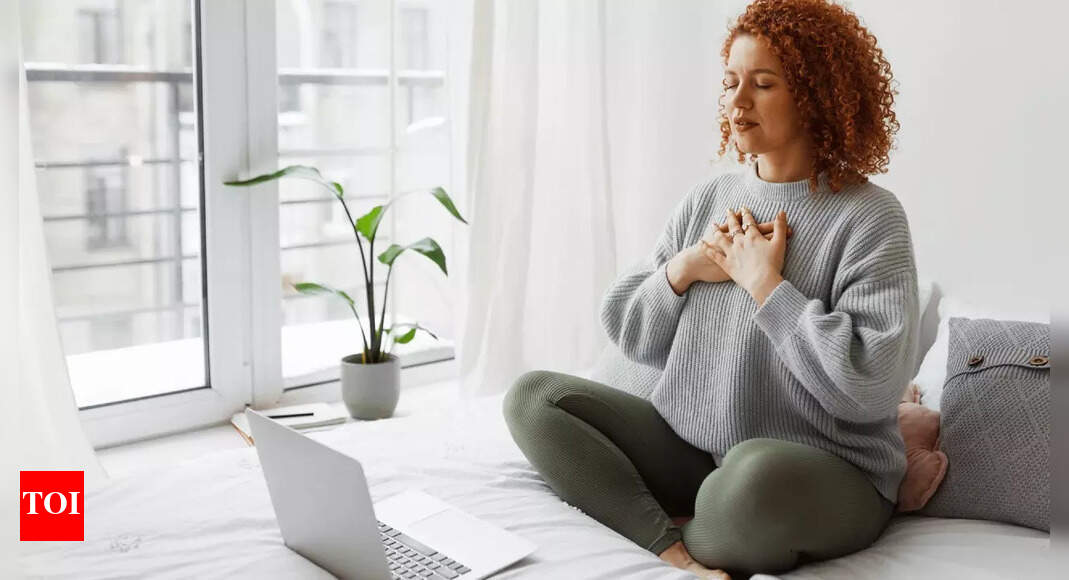
The Hidden Side of Meditation: What Science Reveals
Perceptions of Peace
When I think about meditation, I often envision a serene escape—an oasis where stress dissipates and clarity emerges. It’s easy to get swept away in the narrative that meditation is the ultimate remedy for the chaos of modern life. After all, countless guides promise tranquility through mindfulness practices. Yet, I can’t help but wonder: Could this widely adored practice harbor some unexpected side effects?
The Unseen Risks
Recent studies are beginning to suggest that even our beloved “stress-buster supreme” comes with its own set of challenges. It turns out that meditation isn’t always the universal antidote we believe it to be. A large-scale study from the United States revealed that nearly 60% of meditators experienced at least one adverse effect, such as heightened anxiety or an unsettling feeling of not being themselves. Even more striking was that around 30% found these experiences distressing, while roughly 9% reported disruptions in their daily lives.
I used to think that mindfulness practices were foolproof pathways to inner peace—until I discovered research indicating that around 8% may encounter negative outcomes like increased anxiety or depression post-meditation. One survey even indicated more than a quarter of regular meditators faced disorienting psychological experiences during their sessions—feelings ranging from fear and detachment to bizarre sensations I once thought were reserved for dream states.
Diving Deeper into Side Effects
The notion that meditation could unearth discomfort feels contradictory to its soothing reputation. Yet here we are, grappling with reports of:
- An uptick in feelings of anxiety or panic during or after meditation.
- A sense of dissociation or depersonalization—the sensation of being disconnected from oneself.
- The resurfacing of unpleasant memories or emotions, especially in intensive retreat settings.
- In rare cases, functional impairment affecting day-to-day life.
Your Mental Landscape Matters
This leads me to ponder: who might be more susceptible to these risks? Research indicates certain individuals could face greater challenges:
- Painful Past: Those already navigating psychological distress might find themselves confronting deeper issues during practice.
- Diving In Deep: Engaging in intensive practices—like prolonged silent retreats or frequent deep meditative sessions—could amplify risks for some individuals.
- No Preparation: Jumping headfirst into meditation without prior experience can leave beginners facing unexpected psychological terrain they aren’t ready for.
Savoring Safety in Meditation Practice
The findings may feel daunting; however, they don’t necessitate abandoning meditation altogether. Instead, they invite us to approach this ancient practice with awareness and intentionality. Here are some thoughtful steps I’ve found helpful for ensuring safe exploration:
- Start Slow:
Begin with brief sessions (5–10 minutes), focusing on guided practices before advancing further. - Choose Reputable Instruction:
Seek experienced teachers or trustworthy apps that discuss potential risks alongside benefits. - Be Attuned to Your State:
If you’re grappling with significant stress or trauma, consider consulting a therapist trained in trauma-informed care before diving into deep meditation. - Avoid Intense Practices Right Away:
Hold off on long retreats until you’ve developed a solid foundation; easing into will create a buffer against overwhelming sensations. - Monitor Your Experience:
Should feelings like increased anxiety arise—or if something feels “off”—take pause and seek guidance rather than pushing through alone.
A Personal Reflection
I recall my first attempt at mindfulness—a meditative experience shrouded in stillness yet underscored by restless thoughts. Each breath seemed weighted as if every inhalation drew forth pieces of my past anxieties—a fog lifting slowly but revealing echoes I’d rather keep buried. It lingered with me long after the session ended, prompting me to confront what surfaced rather than simply dismissing it as noise.
A Journey Worth Taking
Meditation remains an invaluable tool for many—a pathway toward emotional balance and mental clarity—but it’s essential we acknowledge its complexities too. This journey isn’t linear; it ebbs and flows much like life itself. Perhaps therein lies its beauty: embracing our vulnerabilities while seeking peace amidst turmoil allows us room for growth and understanding at every juncture.
written for Aging Decoded – The Future of Health News, One Story at a Time.