


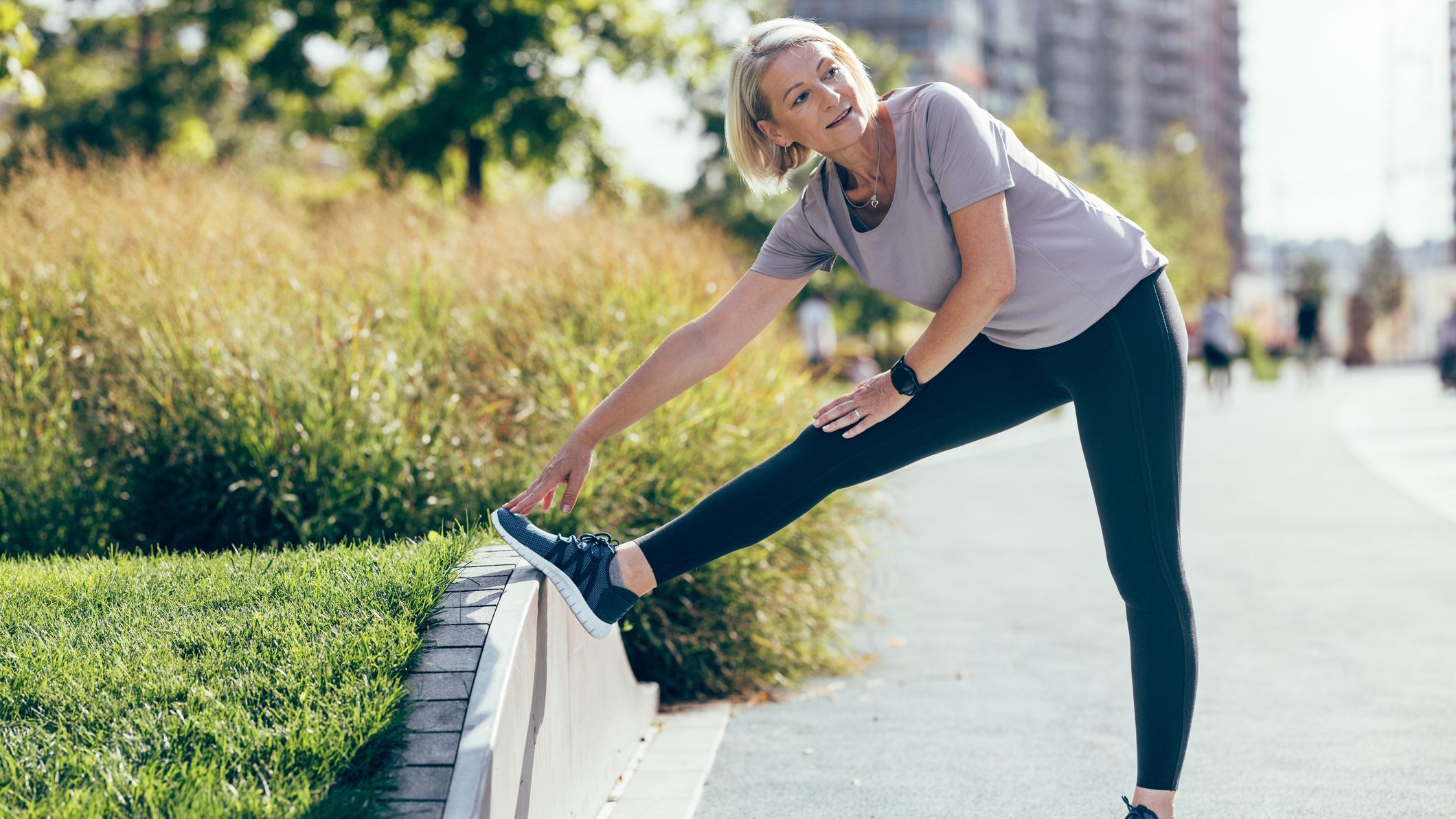
Why Stretching After a Walk is Essential for Recovery
When I first started walking regularly, I thought stretching was reserved for runners and gym enthusiasts. But soon, I realized that even lower-impact activities like walking could leave me with tight muscles and nagging soreness. It’s funny how we often overlook the subtleties of our own bodies until they start sending us signals—like that dull ache in my calves after a long day of hitting my step count. It turns out, stretching is just as important for walkers as it is for those pounding the pavement or lifting weights.
As someone who has trudged through recovery after injuries, I can’t stress enough how beneficial stretching can be for both physical and mental well-being. Mallory Fox, a NASM-certified personal trainer, once told me that taking time to stretch at the end of each walk isn’t just an option—it’s essential for enhancing recovery and performance. And you know what? She’s right.
“Listening to your body and incorporating stretching into your routine can enhance overall recovery and performance,” says Fox.
This idea resonates deeply with me; it echoes back to countless moments spent pacing around my living room, contemplating whether I should have taken those extra few minutes to stretch instead of rushing off to tackle my next task. Perhaps this struggle is universal among those of us navigating this journey called aging—how often do we ignore our bodies’ pleas until it’s almost too late?
The Necessity of Stretching
I’ve learned that the need for post-walk stretches varies greatly from person to person. For casual walkers like myself, dedicating just a few moments to a simple stretching routine might suffice. Yet there are days when I push myself on longer walks or steeper inclines; on those days, my body craves more attention—a comprehensive stretching session becomes non-negotiable.
Stretching post-walk offers so many benefits: improved flexibility, reduced muscle stiffness, and increased blood flow—all critical elements when recovering from exertion or injury. In fact, during one particularly grueling week of long walks due to life’s demands—think stressful work deadlines—I could feel the tension tightening in my hips and hamstrings like an unwelcome visitor refusing to leave.
I remember being skeptical about stretching at first; would it really make a difference? To be fair, I’m still coming around on some aspects—but there’s no doubt in my mind now: post-walk stretches help ease muscle tightness while gradually cooling down the body after exertion.
Fox’s Top Stretches After Walking
If you’re unsure where to start—or if you’re anything like me with an inclination toward indecision—here are three key stretches from Mallory Fox that have transformed my post-walking experience:
1. Static Calf Stretch
Time: 30-60 seconds each side.
- Stand with feet hip-width apart; step your right foot back without losing alignment with your hip.
- Bend your left knee while keeping your right leg straight—press that heel into the ground!
- Hold this position for 30-60 seconds before switching sides.
Why Fox recommends it: “The calf muscles work hard while walking—especially on uneven surfaces or hills.” The stretch helps improve joint range while mitigating stiffness and reducing soreness.
2. Active Hip Flexor Stretch
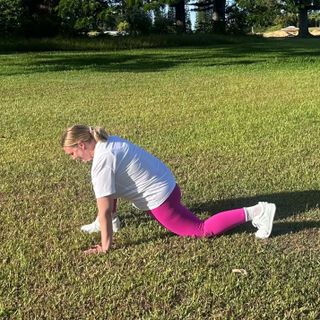
Reps: 8-10 each side.
- Kneel down with one foot forward; place hands beside it on the floor.
- Sweep back your other foot as far as possible before lowering your knee onto the ground.
- Your torso should face forward now; lift arms overhead gently pushing hips forward—feel that delicious stretch!
- Add rotation by bringing arms out wide before twisting towards the planted knee: hold two or three seconds before repeating this motion several times.
Why Fox recommends it:“Most people carry tightness in their hip flexors due to various lifestyle factors.” This active stretch opens up tension while also strengthening surrounding muscles—a win-win!
3. Dynamic Hamstring Stretch
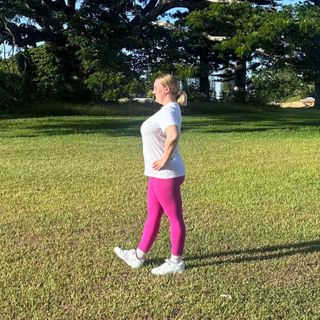
Reps: 8-10 each side.
- Create space between feet then step one foot forward (keeping it straight), pressing heel firmly on ground while raising toes towards shin;
- Bend at hips (not waist) squeezing glutes together throughout motion—the goal here? Maximum extension through back thigh!
This final favorite:“Dynamic stretches help maintain flexibility while improving circulation.” If only I’d known sooner how vital mobility was—not just during workouts but even afterward!
The value of caring for oneself grows exponentially over time—as we age gracefully through experiences both positive…and challenging…we find new strength within ourselves by honoring our bodies’ needs along our journeys toward healing.
written for Aging Decoded – The Future of Health News, One Story at a Time.