


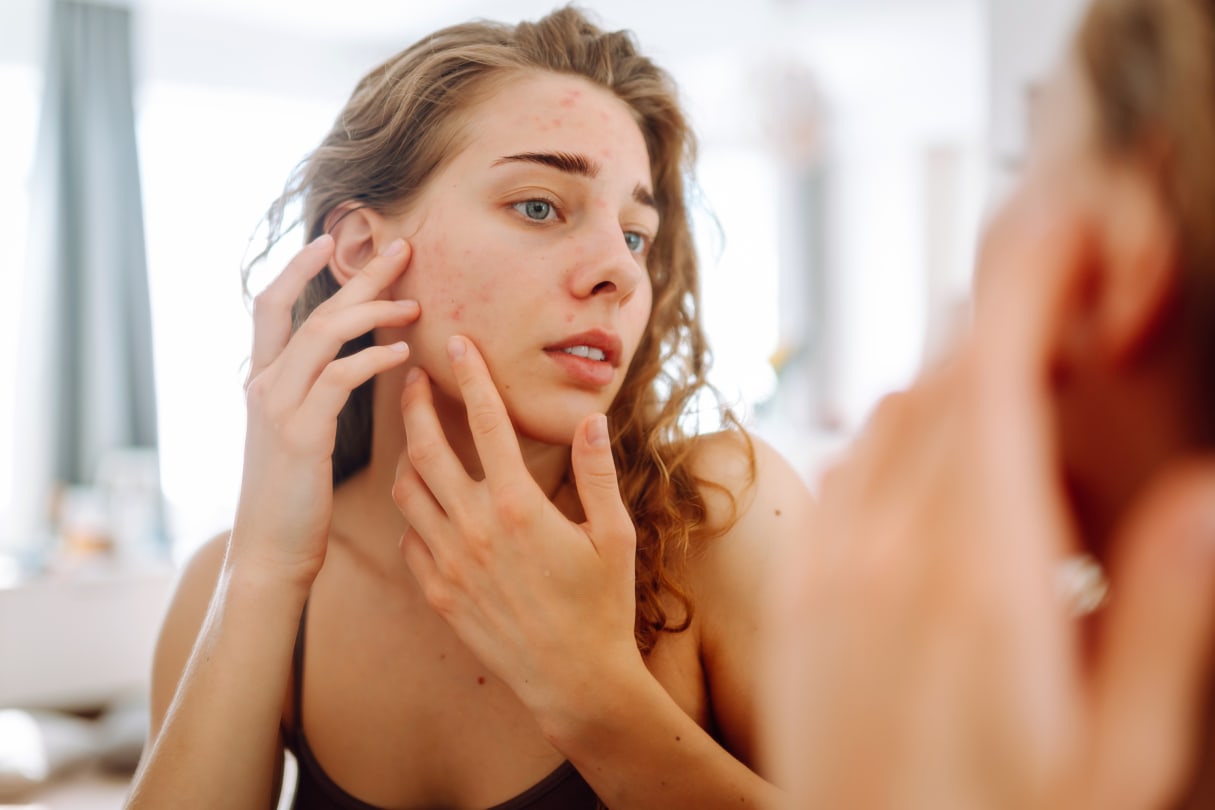
Navigating the Path to Clearer Skin: When to Seek Help
Understanding Your Skin Journey
When it comes to skincare, particularly in our ongoing battle with acne, I’ve often found myself at the intersection of science and emotion. I remember the countless times I stood in front of my mirror, examining every imperfection and feeling a wave of frustration wash over me. If you’ve tried over-the-counter products for six to eight weeks without seeing results—or if your acne is leaving scars on both your skin and confidence—it might be time to take that pivotal step and visit a dermatologist.
The Emotional Scale of Acne
Dr. Perkins, a trusted dermatologist I consulted, has this insightful approach where she asks patients to rate their distress about acne on a scale from one to ten. It’s such a simple yet profound question—how much does your skin bother you? And as someone who has experienced the ups and downs of breakouts, I can tell you that when the number creeps up toward ten, it’s not just about appearances; it’s about how we feel inside. “If someone says they’re a 10 and doesn’t want to go to school tomorrow because of how their skin looks,” Dr. Perkins notes wisely, “they need more aggressive management.” This perspective resonated deeply with me; it made me recognize that seeking help is an act of self-care rather than defeat.
The Power of Prescription Options
The world of prescription acne treatments can feel overwhelming yet hopeful. There’s tretinoin—often recognized by its brand name Retin-A—which has been my go-to for keeping my skin clear during those stubborn flare-ups. Its texture feels almost velvety against the skin as it works overnight while I sleep, renewing my skin like an artful brushstroke on canvas.
Then there’s isotretinoin (once known as Accutane). I remember hearing mixed reviews from friends about this powerful oral retinoid—its effectiveness is undeniable but comes with a hefty responsibility due to potential side effects requiring diligent monitoring. It’s akin to wielding a double-edged sword; while it promises transformation, it demands respect and caution.
A Holistic Approach Beyond Conventional Medications
I’ve also learned that medication isn’t always singular in its approach. Spironolactone has come into play as an oral medication that blocks specific hormones contributing to acne—especially for women like me navigating hormonal changes throughout our lives. Sometimes doctors prescribe antibiotics temporarily “to calm down the acne,” as Dr. Perkins explains beautifully; however, they come with their own caveats regarding long-term use.
“The challenge with antibiotics is that they’re helpful but we don’t want to keep people on them long-term.” – Dr. Perkins
This statement rings true in my experiences; I’ve tried antibiotics only for them inevitably to lose their efficacy after months—even years—of reliance on them.
In-Office Treatments: Beyond Topicals
If there’s one thing I’ve embraced wholeheartedly during my skincare journey, it’s recognizing when topical treatments just aren’t cutting it anymore—and that’s where dermatologists truly shine through in-office procedures! Yale Medicine dermatologists provide various solutions ranging from chemical peels that refresh dull skin surfaces like spring rain washing away winter’s residue, light-based therapies offering gentle assistance without harshness or irritation, and steroid injections targeting those rebellious spots resisting all attempts at peace.
I once had an appointment where these options were laid out before me like spoils from treasure hunting—I felt empowered knowing that there were alternatives beyond what I’d seen in beauty aisles or read about online!
A Personal Reflection on Skincare Choices
I still remember using products based solely on advertising hype rather than understanding my unique needs—a lesson learned through trial and error amid angered breakouts leading back into self-doubt territory! The emotional rollercoaster tied closely with every product trial expanded beyond ingredient lists into deep-seated beliefs regarding beauty standards placed upon us by society.
The Importance of Self-Care Through Skin Health
Caring for our skin isn’t merely about chasing perfection or fitting into societal molds; it’s profoundly intertwined with our mental well-being too! Each step taken towards clear skin—a thoughtful morning routine filled with nourishing ingredients or even conversations about potent topical options—is ultimately rooted in honoring ourselves holistically instead of succumbing entirely under pressure from external expectations.
A Closing Thought on Confidence Through Skincare
Treating our skin means embracing imperfections along this path toward clearer health—not pretending they don’t exist! Every choice reflects acknowledgment toward our journeys while allowing vulnerability into spaces typically reserved only for perceived flaws alone.
So whether you’re reaching out for professional advice or sinking deeper into your self-care rituals at home: revel within each moment spent nurturing not just surface-level concerns but also celebrating who we are beneath layers built around us throughout life.
No references included.
Written for Aging Decoded – The Future of Health News, One Story at a Time.