

A Race Against Time: The Birth of Personalized CRISPR Therapy for Baby KJ
As I immersed myself in the intricate world of gene therapy, a question lingered: how can scientists create a groundbreaking treatment in mere months? This curiosity deepened when I encountered Baby KJ—a child diagnosed with a rare genetic disorder that posed an urgent threat to his life. The story of his personalized CRISPR therapy unfolded before me like a high-stakes thriller, showcasing the remarkable collaboration between researchers, manufacturers, and industry experts desperately racing against time to deliver hope.
Mark Wetzel
Vice President and General Manager
mRNA CDMO Services
Aldevron
In my conversations with Mark Wetzel from Aldevron, he illuminated the coordinated efforts behind Baby KJ’s bespoke gene therapy. What does this success mean for the future of treating rare diseases? It signals not just accomplishment but a paradigm shift.
The Urgency Behind KJ’s CRISPR Therapy
K.J. Muldoon—affectionately known as “Baby KJ”—was born with urea cycle disorder (UCD), an exceptionally rare inherited condition that hampers the body’s ability to rid itself of ammonia. The stakes were alarmingly high; unchecked ammonia levels can lead to irreversible brain damage or even death. As I reflected on this grim reality, I felt an unsettling blend of empathy and urgency ripple through me.
The absence of a cure for UCD left KJ’s prognosis bleak. However, undeterred by despair, a team from the Children’s Hospital of Philadelphia (CHOP) sprang into action. They envisioned something unprecedented: a personalized CRISPR therapy tailored explicitly to correct KJ’s unique mutation responsible for his condition. Imagine being amid such chaos yet choosing courage—KJ’s parents did just that.
The Danaher-IGI Beacon for CRISPR Cures quickly arrived on site via its longstanding partnership with CHOP. In those crucial early days, time was our enemy; each moment lost could have dire consequences for little KJ.
A Symphony of Collaboration
This incredible turnaround was only possible because various partners harmonized their efforts—from RNA synthesis to lipid nanoparticle (LNP) delivery systems. Each played an essential role in translating lab-scale innovations into therapies fit for clinical trials.
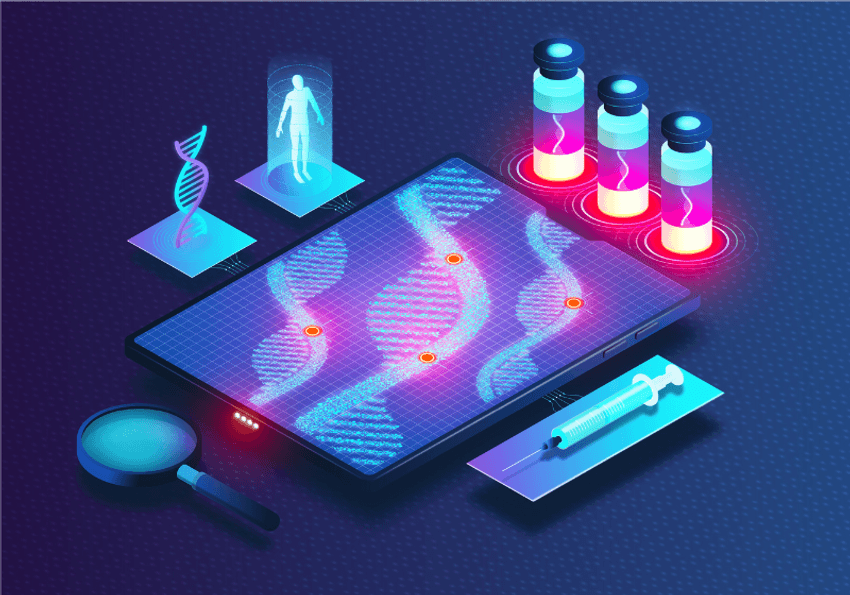
Key components manufactured rapidly through meticulous coordination among Aldevron, IDT, and Acuitas Therapeutics.
This rapid development wasn’t merely about speed; it was about profound precision tailored specifically for KJ’s ailment—a radical departure from conventional one-size-fits-all approaches in medicine.
The Speedy Evolution of Gene Editing
I often muse about how we’ve reached this point in medicine where gene therapies can be crafted so quickly yet thoughtfully—it feels both exhilarating and unnerving at times. Scientists developed this personalized mRNA-based CRISPR treatment within six months—much faster than typical timelines dictate—thanks to close collaborations across sectors.
IDT provided critical guide RNA components while Aldevron focused on producing mRNA base editors—the building blocks essential for crafting this therapeutic intervention. Meanwhile, Acuitas Therapeutics contributed expertise in LNP delivery systems; these tiny carriers act like stealthy vehicles delivering vital payloads directly into cells.
Navigating Challenges While Keeping Safety First
The road wasn’t without obstacles; maintaining safety alongside speed proved daunting. Manufacturing three key components—the mRNA editor, guide RNA, and LNPs—involved navigating technical hurdles specific to each element.
“The most significant challenge was racing against time while ensuring patient safety remained our priority.”
No specific references cited here but further research is encouraged on topics discussed above related to personalized medicine solutions using CRISPR technology versus traditional methods available today in clinical settings around world!
An Unexpected Success Story
I’m happy to report that Baby KJ has responded remarkably well so far! He received his first dose at six months old followed by another dose weeks later—all without serious adverse effects reported thus far!
Learnt Lessons Transcending Individual Cases
K.J.’s story transforms individual experience into larger lessons applicable across all scientific disciplines attempting similar feats—the potential laid bare right before us shows what’s possible when collaboration drives innovation!
A Future Filled With Possibility
This journey epitomizes precision medicine’s possibilities—not merely as abstract concepts but tangible realities improving lives dramatically! Collaborations must flourish if we are ever going make these types treatments widely available—not just preserving patients’ lives—but radically reshaping health landscapes worldwide too!
I still find myself pondering ethical implications stemming from rapid advancements within genetics & biotechnology fields today—even questioning whether we’re fully prepared responsibly harness capabilities gifted upon us … Yet despite uncertainties looming ahead—I remain hopeful optimism prevails toward unlocking unprecedented potentials within human health realms awaiting exploration boundless horizons ahead!
Written for Aging Decoded – The Future of Health News, One Story at a Time.