


The Nourishing Connection: Food, Health, and Our Lives
Nutrition is much more than the sum of calories consumed; it is the very fabric of our existence, woven together through meals that mark our lives with memories. Yet, in a world where food is often relegated to mere convenience—a quick bite between meetings or an easy takeout order—we risk losing sight of its profound impact on our health and well-being. A recent initiative at Florida State University, the Institute for Connecting Nutrition and Health (ICON-Health), stands as a testament to this understanding. It offers a promising avenue to explore how food can serve not just as fuel but as a solution to many chronic health issues that plague us today.
Reflecting on my own journey with nutrition, I remember the warmth of my grandmother’s kitchen. The scent of simmering vegetables mingled with spices filled the air while she deftly prepared meals that nourished not only our bodies but also our spirits. Growing up, family dinners were sacred moments steeped in ritual—each recipe telling stories of heritage and love through flavors. Yet now, amidst busy schedules and an overwhelming abundance of processed options at arm’s reach, I sometimes find myself reaching for convenience over connection.
As I read about ICON-Health’s mission to tackle diet-related chronic diseases through interdisciplinary research, I couldn’t help but recall how disconnected many of us have become from our food choices. Obesity and related diseases are stark realities in America today; they reflect a deeper dissonance between what we eat and who we are biologically. The harsh truth is that many Americans are caught in this cycle—relying on energy-dense foods that comfort but ultimately harm.
This research center aims not only to address these pressing issues but also to ignite conversations about how we can redefine our relationship with food. Regan Bailey, one of its leading figures, emphasizes the need for multidisciplinary approaches—it makes perfect sense when you consider how intertwined nutrition is with various aspects of life: social dynamics, education systems, even policy-making.
“Food is an environmental factor that most people interact with multiple times every day.”
This simple yet powerful observation resonates deeply with me. It’s true; we engage with food so frequently that it shapes everything from mood swings to long-term health outcomes. Maybe I’m just hungry when I say this—but have you ever noticed how your choice between an apple or a cookie impacts your afternoon productivity? Or how sharing a homemade meal nurtures connections far deeper than anything takeout could offer?
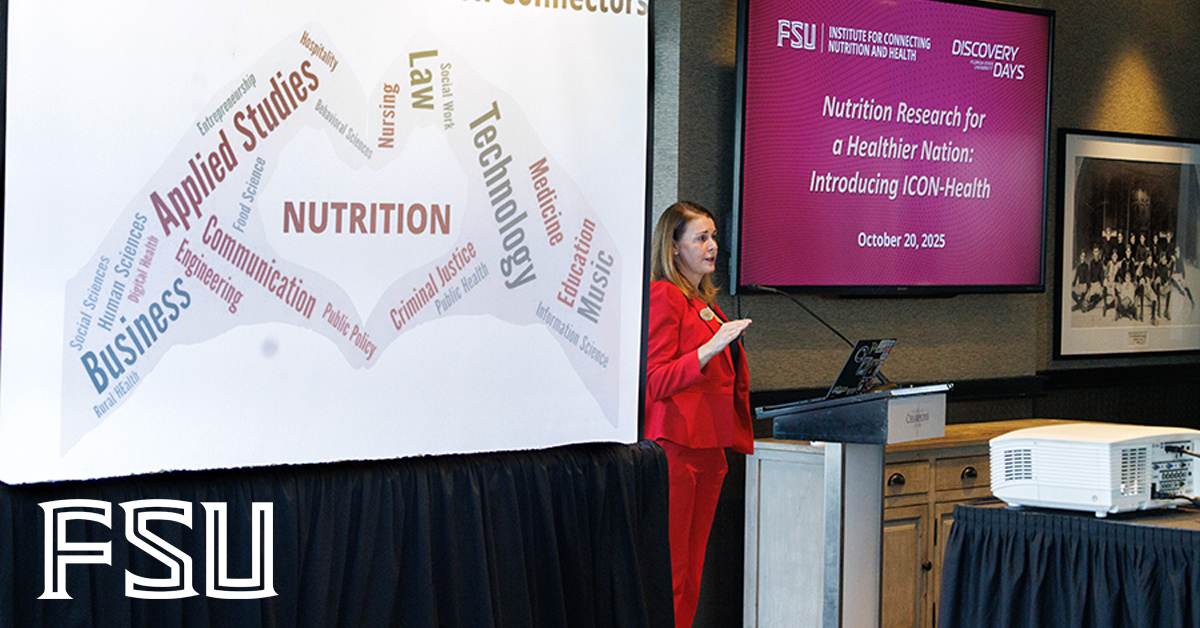
The work being done by ICON-Health reminds me that nutrition needs context—it’s about understanding individual biology while elevating collective well-being. This intersectionality was evident during their recent discovery event at FSU where different faculties shared insights into their research linking diverse fields like law and microbiology back to nutrition. It struck me—this complexity mirrors life itself: multi-layered yet deeply connected.
I still recall the time I tried out intermittent fasting—a trendy approach touted for its supposed benefits—but found myself feeling increasingly irritable rather than energized because my body was using up essential nutrients too quickly without balanced intake throughout the day! My kitchen became both an experiment lab and sometimes—the scene for minor disasters involving burnt quinoa or overly salty soups—and yet each effort brought lessons wrapped in flavors and textures rich enough to encourage further exploration rather than discouragement.
Patrick Stover’s work highlights precisely what I’ve experienced firsthand: nutrient deficiencies among individuals stem from genetic differences compounded by dietary choices available—or often lacking—in one’s environment. Therein lies another challenge; as Bailey aptly noted during her talk at FSU Discovery Days: “Is there anyone here who hasn’t eaten in the past three days?” No hands went up—reminding us all just how crucial good nutrition truly is!
So what’s next? For me—and perhaps you too—as we dive into these discussions surrounding food as medicine, it might be worth taking stock—what small shifts can we make? Whether savoring home-cooked meals more often or simply becoming curious about seasonal produce at local farmers’ markets instead of relying solely on packaged goods—the possibilities spark joy within mundane routines if approached mindfully.
The ripple effects extend beyond individual behavior; there’s power in collaboration across disciplines—this unity fosters innovation toward solving some societal problems affecting vast populations struggling under diet-related disease burdens daily.” We need fresh perspectives,” says Stover reminding us why programs like ICON-Health will play pivotal roles moving forward.
No additional references were cited within this reflection piece beyond insights gained from ICON-Health’s initiatives.
Written for Aging Decoded – The Future of Health News, One Story at a Time.