


Reconsidering Hormone Replacement Therapy: A Personal Journey
Hormones—the silent architects of our mood, energy, and even our sense of self—are often misunderstood. As I navigate the waves of hormonal change, particularly during this stage of life marked by menopause, I’ve come to reflect deeply on the role of hormone replacement therapy (HRT) and its often daunting black box warnings. These warnings have long overshadowed a potentially transformative experience for many women like me.
The Weight of Warnings
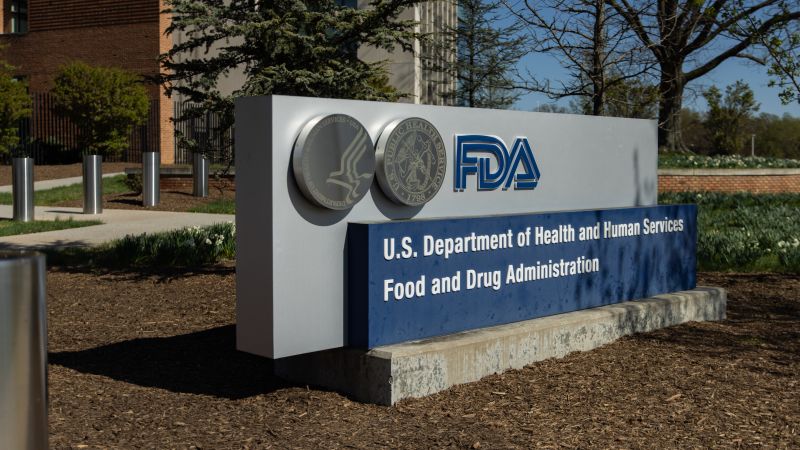
I remember when I first considered HRT. The anxiety crept in as I read through the potential side effects listed in print so starkly labeled with a black box warning. The U.S. Food and Drug Administration (FDA) issued these alerts years ago, declaring that estrogen treatments could increase risks for uterine cancer, breast cancer, strokes, and blood clots. It felt overwhelming to think about facing debilitating symptoms while also fearing serious health consequences.
But now, Dr. Martin Makary from the FDA is suggesting changes to these lengthy warnings—something that feels both hopeful and overdue. In a recent conversation with CNN’s Dr. Sanjay Gupta on his podcast “Chasing Life,” he revealed that discussions are underway regarding updating these cautionary labels on hormone therapies used for menopause symptoms.
A Turning Point in Perspective
Reflecting back on my own experiences with significant hormonal shifts—those moments when fatigue washes over me like an unexpected wave or when my emotions swing wildly—I can’t help but wonder how many women have been turned away from vital relief due to fear instilled by those warnings. For years after the initial studies linked estrogen use with various risks, prescriptions plummeted by more than 70%. That statistic alone speaks volumes about how fear can overshadow informed choice.
“It’s really a tragedy… It’s maybe one of the greatest screw-ups of modern medicine.” – Dr. Martin Makary
This perspective resonates deeply within me; I’ve felt denied access to what could be life-affirming therapies simply because so many women—including myself—were left in a limbo filled with uncertainty and stigma associated with HRT.
Exploring My Options
The reality is that many forms of hormone therapy do not carry equal risks; some methods deliver hormones differently. As I learned more about alternatives such as topical creams or vaginal rings that don’t raise systemic estrogen levels significantly, I began to feel encouraged again about taking control of my well-being without succumbing to unnecessary fears.
I recall trying a low-dose vaginal cream—a small yet significant leap toward reclaiming comfort during intimate moments disrupted by dryness post-menopause. The relief was palpable; it felt like rediscovering pieces of myself I’d thought lost forever amid hot flashes and relentless night sweats.
The Call for Change
Experts are beginning to advocate strongly for reassessing these boxed warnings based on new research showing that younger women or those who start therapy shortly after menopause may benefit safely from HRT without facing grave risks—as long as they don’t carry specific contraindications such as a history of hormone-sensitive cancers.
I find hope in this evolving conversation around women’s health care—a shift towards understanding rather than fear-mongering—and it aligns perfectly with what I’m experiencing personally: relief is possible if we dare challenge outdated narratives surrounding our bodies and their needs.
“Women live longer and feel better on hormone replacement therapy when started before age 60.” – Dr. Martin Makary
The Journey Continues
Still, there remains an uncomfortable truth: there isn’t yet widespread consensus among health professionals regarding long-term HRT use aimed at preventing chronic conditions like heart disease or osteoporosis—not exactly reassuring for someone eager to alleviate everyday discomforts while considering future wellness goals too.
This ambiguity leaves me stirring within questions like whether starting earlier could yield lasting benefits beyond immediate symptom management—is it prudent or just wishful thinking? Just recently, upon reading various expert opinions—including insights from Drs JoAnn Manson and Leslie Cho—I realized how critical nuanced conversations are around these topics rather than blanket statements masked under classifications meant purely as cautionary tales.
Skepticism exists: How much trust should we place in findings derived from studies focused initially elsewhere? But who among us doesn’t grapple daily between what feels right versus what conventional wisdom suggests?
A Note On Communication With Providers
No matter where you stand on HRT usage—or even if you’re still wading through waters muddied by misinformation—the most vital step rests firmly within open dialogues with healthcare providers who resonate authentically alongside your journey through hormonal changes.
“Women have to talk to their physicians about hormone replacement therapy before they believe all the hype,” Cho emphasized wisely during her discussion regarding current perceptions—a sentiment echoing true across countless clinic visits amidst confounding advice swirling around every corner online nowadays too!
In Conclusion: Embracing Our Stories Together
If there’s anything this experience has taught me thus far it’s recognizing no singular answer fits every woman navigating midlife transformations nor encapsulates our shared challenges fully either—all unique yet intertwined beautifully among us all seeking balance amidst trials faced along pathways not easily traversed alone.
As we delve deeper into the territory ahead surrounding hormonal health let’s continue redefining boundaries collectively—delving into embrace rather than avoidance—with steeds ready galloping forward without yielding further ground against ancient fears which may serve us none anymore!
Written for Aging Decoded – The Future of Health News, One Story at a Time.