


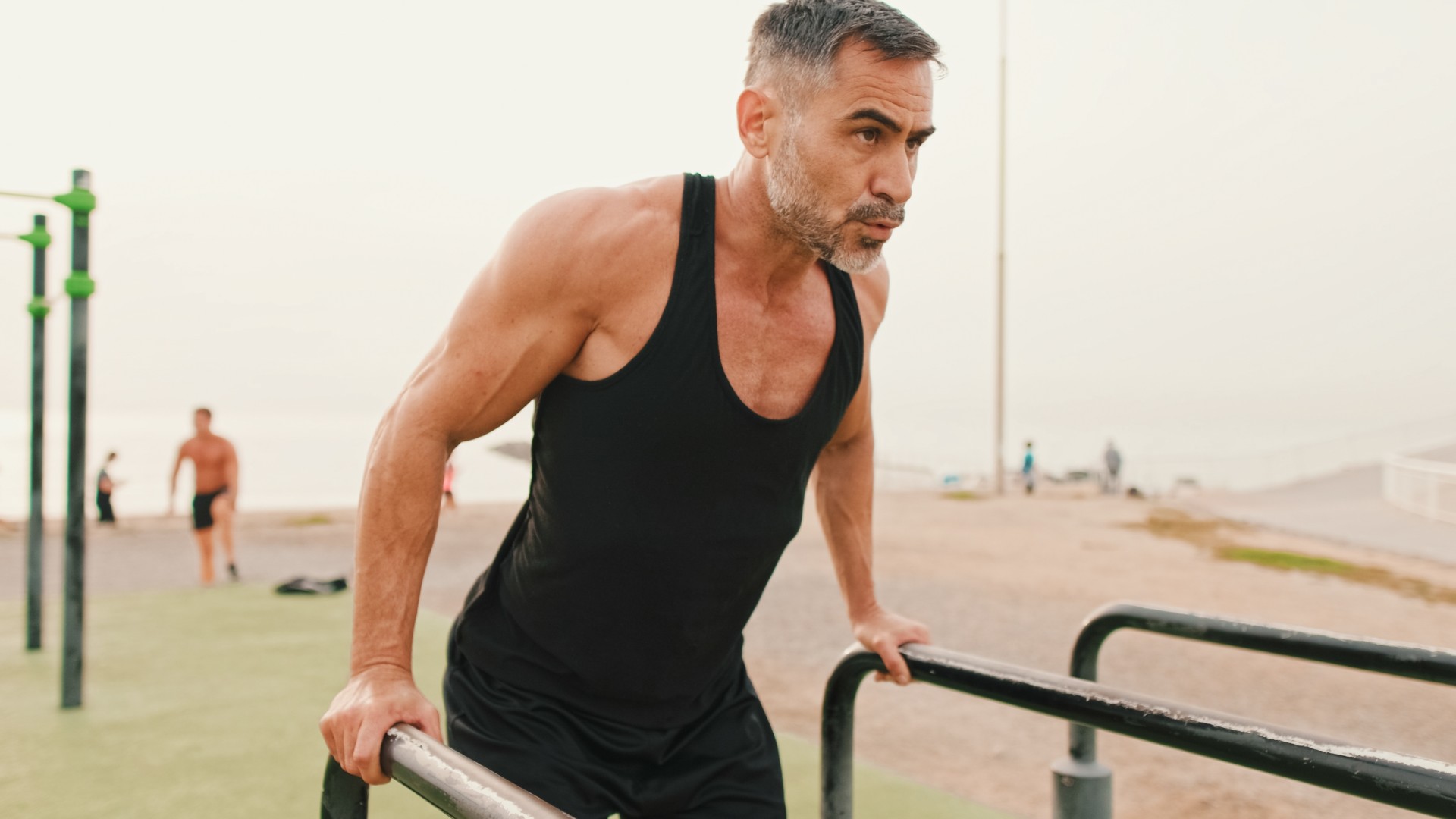
The Perks of Being More Active for Your Future Self
As life expectancy climbs around the globe, I’ve found myself shifting my perspective on aging. It’s no longer just about the number of candles on my birthday cake; it’s about maintaining strength, mobility, and independence as those numbers increase. I’ve spent years learning how movement—simple yet profound—can be a powerful ally in this journey. Research confirms what I’ve come to understand: physical activity is essential for healthy aging, influencing everything from muscle retention to cellular health.
The Science of Movement and Aging
1. Resistance Training: Fighting Sarcopenia
Sarcopenia—the gradual loss of muscle mass—creeps up during middle age and can leave us feeling frail and vulnerable to falls. I remember the first time I stepped into a gym after years away; the weight felt daunting, but I soon learned that even modest resistance training could lead to significant gains in strength. A meta-analysis showed older adults who engaged in resistance training just 2–3 times a week improved their strength by 23–33%, along with meaningful increases in lean muscle mass (Peterson et al., 2010). Dr. Divya, an exercise physiologist at OddsFitness, put it beautifully: “Resistance exercise stimulates muscle protein synthesis, counteracting the natural decline in anabolic response that comes with aging.” Even small improvements can radically enhance our ability to live independently.
“The body adapts at any age—the key is consistent movement.”
2. Aerobic Exercise: Protecting Cellular Aging
Aerobic activities like walking or swimming not only boost cardiovascular health but also play a role in slowing cellular aging. When I lace up my sneakers for a brisk walk, it’s more than just exercise; it feels restorative—a moment where breath syncs with rhythm and worries fade into the background. In fact, a study analyzing NHANES data found that physically active adults had longer telomeres—those protective caps on our chromosomes that shrink with age—equivalent to being 4–9 years younger at a cellular level compared to their sedentary peers (Tucker, 2017). The World Health Organization suggests aiming for over 150 minutes of moderate aerobic activity each week for those over 65—a goal that feels both achievable and empowering.
3. Balance Training: Preventing Falls
It may surprise you how vital balance is as we age; falls are responsible for many injuries among older adults. During one particularly challenging yoga class focused on balance poses, I discovered how stability exercises could reshape our sense of confidence while moving through space. A Cochrane review revealed that structured balance programs reduced fall rates by up to 39% (Sherrington et al., 2019). Asad Hussain from OddsFitness emphasizes daily balance exercises like single-leg stands or heel-to-toe walks—they offer preventative benefits far beyond basic strength training alone.
4. HIIT: Boosting Mitochondrial Function
If you’d told me years ago that high-intensity interval training (HIIT) could rejuvenate my energy levels at this stage in life, I’d have laughed—it sounded too good to be true! Yet research tells us otherwise; studies show that just twelve weeks of HIIT significantly increased mitochondrial function among older adults (Robinson et al., 2017). If you’re ready for an invigorating challenge amidst your fitness routines—or perhaps need an effective short workout—consider incorporating some bursts of effort followed by recovery periods.
Practical Strategies for Longevity Fitness
I’ve learned firsthand some practical strategies that work:
-
- Start Slow, Progress Gradually: Begin with low-impact activities like walking or using resistance bands before ramping up intensity levels gradually. Remember—it’s consistency over intensity; even ten minutes here and there matter!
-
- Combine Modalities: Don’t pigeonhole yourself! Mix various types of exercises together—for instance, alternate brisk walks with bodyweight workouts or incorporate yoga sessions throughout your week.
-
- Use Technology Wisely: Consider using wearable tech like step trackers or heart rate monitors to tailor your fitness routine according to your needs without going overboard.
-
- Prioritize Recovery: Embrace active recovery days filled with stretching or light walks—they help maintain mobility without additional strain while allowing your body moments of reprieve.
Key Takeaways
-
- Resistance Training: Aim for two- to three-times weekly sessions yielding potential strength gains between 23%–33%, as highlighted by Peterson et al., (2010).
-
- Aerobic Exercise: Target at least 150 minutes per week which correlates positively with longer telomeres based on findings by Tucker (2017).
-
- Balanace Work: Integrate daily practices reducing fall risk by approximately 21%–39%, as noted by Sherrington et al., (2019).
-
- HIIT:Create opportunities once or twice weekly leading towards notable boosts—in mitochondrial function—as shown in research conducted by Robinson et al.,(2017).
Aging doesn’t have to equate decline; movement—with all its life-affirming qualities—can usher vitality through every decade well past middle age if we treat it as our lifelong companion rather than punishment.
I didn’t always feel this way—I struggled against fatigue and inconsistency—but now I’ve embraced these lessons wholeheartedly! Each session leaves me feeling accomplished despite challenges encountered along the way,
reminding me not only how strong I am but also how connected motion makes me feel across mind-body realms.
</p/>
written for Aging Decoded – The Future of Health News, One Story at a Time.