


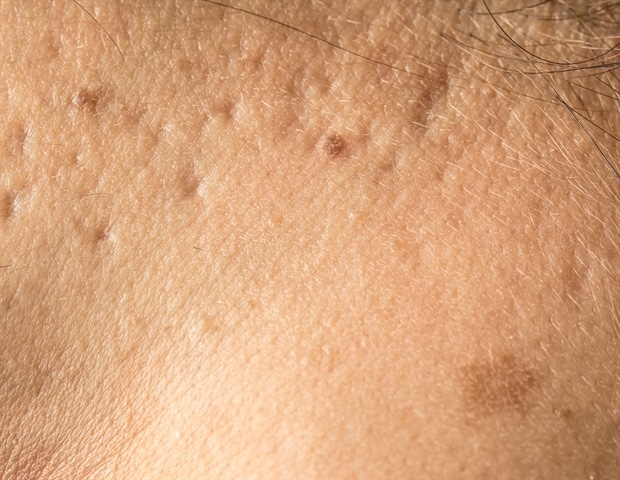
Unlocking the Secrets of Microneedling: A Personal Journey
Being pricked by tiny needles might sound like an odd approach to enhancing skin health, but that’s precisely what microneedling offers. I remember my first encounter with this treatment; the thought of tiny needles gliding across my skin felt both terrifying and exhilarating. As I explored various ways people use microneedling—from diminishing scars to smoothing fine lines—I realized that this technique was more than just a trendy beauty treatment; it was a potential pathway toward renewed confidence.
Before diving into the world of microneedling, it’s essential to weigh both its risks and benefits. The U.S. Food and Drug Administration (FDA) recommends choosing a trained healthcare provider for this procedure—not everyone is a suitable candidate. During my consultation, we discussed not only the advantages but also the possible downsides, including infections from unclean tools. The experience highlighted how much care should be taken when considering any skincare intervention.
Understanding Microneedling Products
Microneedling products all share one significant characteristic: they’re equipped with numerous small, thin needles designed to penetrate the skin at varying depths. These needles can be:
-
- Fitted onto a cylinder that rolls across the skin—a classic dermal roller.
-
- Attached to a flat surface for stamping directly onto the skin.
-
- Arranged in patterns on devices shaped like pens for precision work.
I learned through research and conversation that some product needles are short enough to touch only the outermost layer of dead skin—perfect for gentle exfoliation—while others reach deeper layers where living cells reside. This versatility means there’s an option for everyone, from those looking for simple maintenance to individuals addressing more significant concerns.
The devices fall into two categories: manual and motorized. While I initially leaned towards manual versions thinking they would allow me greater control, I found that motorized options often yield more consistent results in experienced hands.
The Regulation Landscape: Medical Devices vs. Home Use
An important distinction exists in microneedling products: not all are considered medical devices regulated by the FDA. Those deemed medical devices must meet specific safety standards, ensuring their effectiveness claims hold true—a reassuring thought as I weighed my options.
Medical-Grade Devices
The FDA has cleared certain motorized pen-shaped microneedling devices specifically designed to treat facial acne scars and wrinkles in individuals aged 22 or older. These instruments penetrate deeper into tissue, which amplifies their effects but also heightens potential risks such as nerve or blood vessel damage—definitely something worth discussing with your provider before proceeding!
Over-the-Counter Options
If you stumble upon tools claiming merely to exfoliate without sharp or long needles penetrating your skin—like those short-blunt dermal rollers—they likely aren’t classified as medical devices by the FDA and are typically marketed for home use instead. While these may offer slight improvements in dead skin removal or brightness, expectations should remain grounded; they won’t perform miracles.
Diving Into Benefits and Risks
I found myself drawn toward microneedling due to its potential benefits: improved appearance of acne scars, reduction of wrinkles around delicate areas like eyes and necks, plus enhanced surgical scar visibility—all compelling reasons! However, as with any skincare treatment worth exploring, understanding associated risks is equally crucial.
-
- Bleeding or bruising is common post-procedure—the price one pays for beauty?
-
- A few days’ redness or tightness isn’t unusual either; most symptoms fade away naturally after time.
-
- Lesser-known risks include irritation from applying cosmetics too soon afterward or flare-ups if you’re prone to cold sores—this personal tidbit became apparent during post-care discussions with friends who had undergone similar treatments!
I used to believe that every outcome would yield instant gratification; however, patience is key here! Sometimes multiple sessions are necessary before achieving desired aesthetic goals—and even then improvement may be fleeting without ongoing care.
Navigating Safety Precautions Before You Start
This journey taught me about personal suitability regarding microneedling procedures since they aren’t for everyone! Before deciding on treatment:
-
- Numbing medications often precede procedures—but please inform your provider about any allergies you have!
-
- If blood clotting disorders plague you—or if thinning medications enter your routine—you might want alternative routes instead of microneedling’s needle-filled escapades!
-
- Sensitive skins caused by conditions like eczema warrant cautious consideration too—be mindful!
-
- Your provider should clearly communicate cleaning protocols between patients—infection avoidance is paramount!
- You must ensure new needle cartridges get used each time; reusing old ones could lead only down paths riddled with risk rather than radiance!
Now knowing how healing can leave me sun-sensitive post-procedure made me rethink summer activities ahead!
A Broader Perspective on Microneedling Treatments
Rather intriguingly though—the FDA recently cleared specific RF (radiofrequency) microneedles targeting anti-aging concerns through heat application—which piques curiosity beyond standard practices.
My ears perk up about claims surrounding hair loss treatments involving micro-injuries induced via techniques similar—but alas no FDA approvals exist yet.
Hoping it works out becomes easy because so many influencers rave about using these alongside creams galore! But combining methods lacks regulatory backing too—you simply don’t know what you’re getting!
As always remember—it’s vital we pick knowledgeable providers who prioritize safe standards throughout our skincare journeys together.
“In every wrinkle lies a story waiting patiently within us.”
Written for Aging Decoded – The Future of Health News, One Story at a Time.