


The Nourishing Path to Healthy Aging
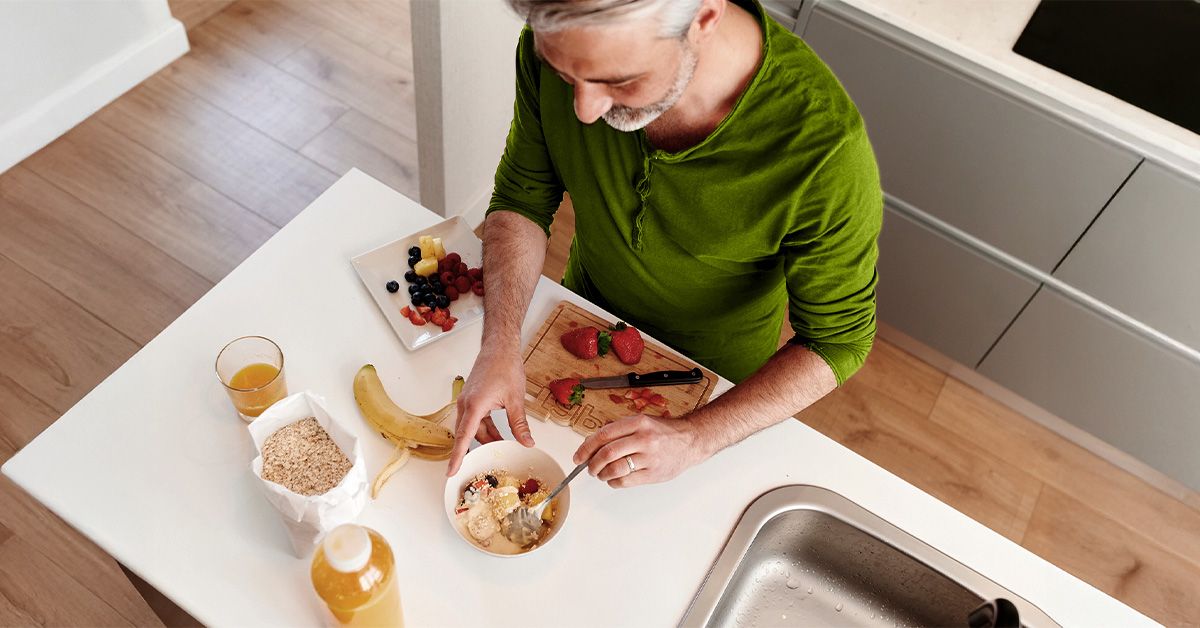
As I sit at my kitchen counter, the aromas of cinnamon and toasted oats weave around me, each breath a reminder of how intertwined our nutrition is with the very essence of our lives. The morning light spills through the window, illuminating not just my breakfast but a deeper truth: our eating patterns can profoundly influence how we age. It’s not merely about fuel; it’s about memory, ritual, and medicine in motion.
The Journey of Age
We are living longer than ever before, which brings with it an insatiable curiosity about how to embrace these extra years healthily. Research continuously highlights how certain lifestyle choices shape our quality of life as we grow older—what we eat being a central theme. A recent study has ignited conversations around dietary habits that promote healthy aging free from chronic diseases or cognitive decline by age 70. Surprisingly, it seems that steering towards plant-based foods while minimizing animal products and ultra-processed options could be key players in this narrative.
The Study Behind Healthy Aging
Delving into this study felt like opening a door to fresh possibilities for myself and others who seek vitality in their later years. Researchers sifted through health data from over 105,000 adults participating in the Nurses’ Health Study and the Health Professionals Follow-Up Study. They observed those aged between 39 to 69 over thirty years—an extensive timeline that almost mirrors my own evolving relationship with food.
Healthy aging was defined here as reaching 70 without significant chronic conditions while maintaining sound cognitive and physical abilities. This definition resonates deeply; I often reflect on friends or relatives grappling with ailments that dim their golden years—a stark reminder of what is at stake.
“More than three out of four older adults report having at least one chronic disease.” — Anne-Julie Tessier, RD, PhD
AHEI: The Guiding Star
The findings were illuminating: participants who closely followed the Alternative Healthy Eating Index (AHEI) had an astonishingly higher likelihood—86% more likely—of aging gracefully without major health issues by age seventy compared to those less aligned with this diet pattern. As I pondered this statistic while preparing yet another bowl of oats topped with vibrant berries, I couldn’t help but appreciate how much my plate reflects a commitment not only to nutrition but also to joy.
A higher AHEI score suggests consuming ample servings of fruits, vegetables, whole grains, and healthy fats—a culinary philosophy I find intuitively appealing.
Your Plate as Your Palette
My own journey towards mindful eating hasn’t always been straightforward; there have been countless moments where convenience triumphed over nourishment—a late-night pizza order here or an overly sweetened snack there. Yet every time I choose colorful produce over processed fare—or tuck into a warm stew filled with legumes—I feel empowered by these choices rather than burdened by them.
“Having a high Alternative Healthy Eating Index score would translate into eating five servings per day of vegetables…” Tessier articulated beautifully.
An Invitation for Reflection
What if we approached diets not as rigid structures but as flexible frameworks? In speaking with Monique Richard, MS RDN LDN—an advocate for nutritional wisdom—it became clear that successful diets share essential tenets: they are rich in quality ingredients offered in balanced proportions while encouraging diversity on our plates. There’s something profoundly satisfying about reaching for ingredients whose origins you respect—the juicy tomatoes hastily plucked from your backyard garden or butter-drenched corn fresh from the farmers’ market line up beautifully against bags filled with bland produce from aisles long forgotten.
“The earlier we start with these foundational essentials the more effective they will be as we age.” — Monique Richard
Savoring Moments Not Just Meals
This reflective perspective invites vulnerability too. Food is laden with memories—like preparing family recipes passed down through generations or gathering around tables adorned richly during holidays past; every bite evokes laughter shared under twinkling lights or embraces exchanged after hearty meals. These rituals become part of us just like vitamins and minerals do—they nourish not only our bodies but also our spirits.
Navigating Dietary Trends
And yes—I’m aware that navigating through dietary trends can sometimes feel overwhelming! With such allure surrounding popular methods like Mediterranean or DASH diets surfacing frequently within wellness discourse—it begs one question: Which path should you follow? Perhaps instead of fixating on trendy names attached to diets—we lean towards understanding what they truly represent: nutrient-dense foods steeped in culture and ancestry mixed harmoniously across various traditions.
After all isn’t food meant to feed more than just hunger?
I often return to Michael Pollan’s sensible advice—to eat more plants while consuming less “food” made in factories—and find comfort knowing there’s both simplicity and depth waiting within this principle waiting for us when contemplating what fills our plates each day!
Tessier AJ et al., Nutritional epidemiology studies on diet patterns associated with healthy longevity…
Richard M et al., Foundations of effective nutrition strategies across lifespans…
Written for Aging Decoded – The Future of Health News, One Story at a Time.