


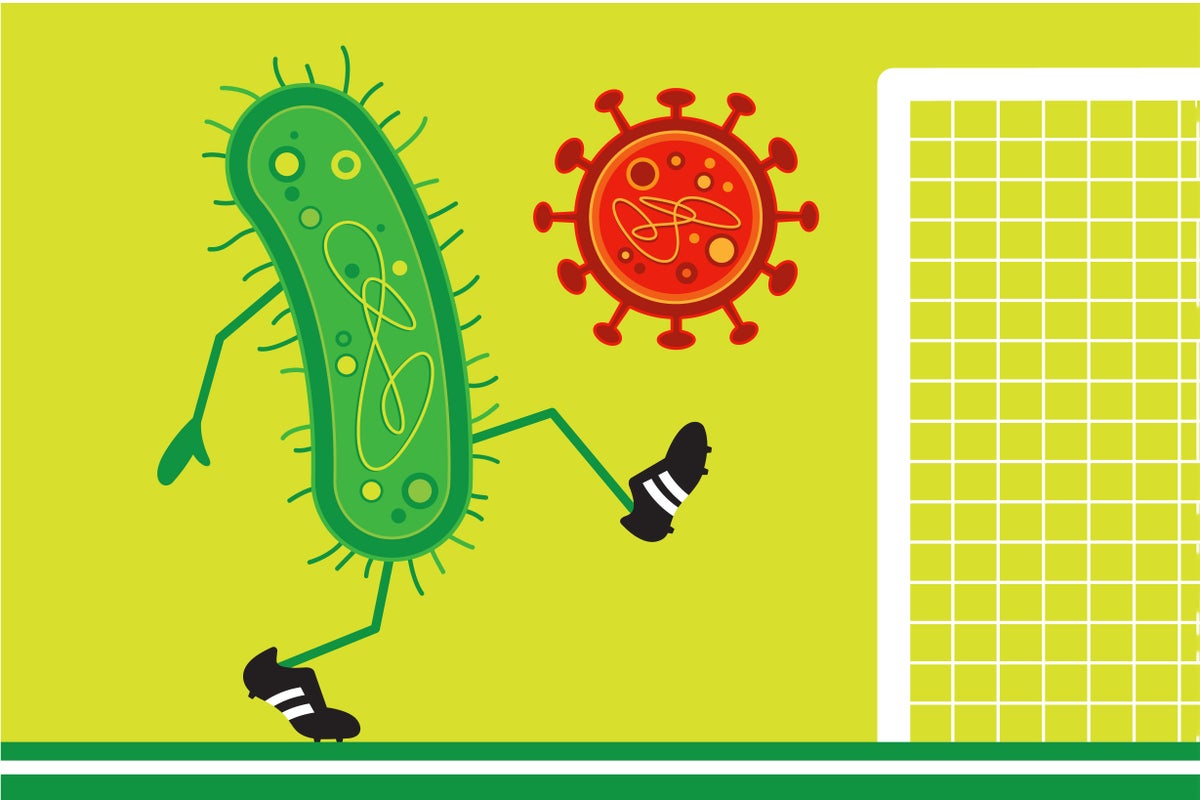
Bacteria and Viral Naps: A New Perspective on Immunity
A Surprising Connection
The notion that single-celled bacteria can fend off viral attacks in a manner akin to our complex human immune system is quite astonishing. As I delve deeper into this topic, I find myself reflecting on how much we underestimate these microscopic organisms. Recent research highlights a fascinating process where bacteria utilize dormant viruses to effectively “vaccinate” themselves against future infections. This revelation not only broadens our understanding of microbial life but also has profound implications for combating antimicrobial resistance—a growing crisis that claims millions of lives yearly.
The CRISPR Revolution
Two decades ago, scientists uncovered an adaptive defense mechanism within bacteria known as CRISPR. This groundbreaking discovery allowed us to appreciate how microbes can identify and eliminate viral threats upon subsequent encounters. In a recent study published in Cell Host & Microbe, molecular biologist Joshua Modell and his team explored how this system functions similarly to vaccines we receive—an idea that still leaves me in awe.
The CRISPR system enables bacteria to edit their genomes. When exposed to a virus, they can deploy a specialized enzyme that incorporates snippets of the virus’s DNA—known as spacers—into their genetic material, creating a biological memory for future encounters. While we often think of this enzyme as “genetic scissors” used in various applications—from laboratory experiments to gene therapies—the mystery surrounding its function in bacterial immunity has lingered.
Diving Deeper into Discovery
This curiosity led Modell’s research team to conduct controlled lab experiments with Streptococcus pyogenes, examining how these bacteria interact with phages—their viral predators. Most phages typically obliterate bacterial cells instantly through lysis; however, rare instances allow them to integrate into the bacterial genome in a dormant state called lysogeny. It intrigued me how such an elusive phase could hold the key to understanding this protective mechanism.
The researchers intentionally infected the bacteria with both dormant-carrying phages and engineered ones locked in an active state, then analyzed which cells survived by checking for newly added spacers from viral DNA. To my surprise, they found that only spacers from dormant phages were incorporated—a clear indication that during this period of dormancy, bacteria seize the opportunity to capture those tiny fragments of viral DNA for their own defenses.
A Bacterial Memory Bank
“The CRISPR system creates memories against an inactivated form of the virus just like a vaccine,” Modell explains poignantly. This simple yet profound observation reshaped my understanding of immunity at such fundamental levels—where even one-celled organisms possess sophisticated strategies reminiscent of our own immune responses.
The experiment continued as researchers re-exposed these spacer-laden bacteria to the same phages again and observed whether those stored genetic fragments allowed them to stave off infection successfully. The outcome was striking: these clever little microorganisms utilized their genetic memories effectively enough to recognize and combat their adversaries head-on.
A Paradigm Shift for Phage Therapies
Molecular biologist Stan Brouns from Delft University has labeled these findings “pretty remarkable.” It set my mind racing about potential applications; if scientists can grasp how these interactions unfold between phages and bacteria, it could significantly enhance our approaches toward developing effective phage therapies aimed at treating antibiotic-resistant infections—a pressing health dilemma today.
This newfound knowledge may also inspire innovative designs for more versatile phages capable of targeting various infectious strains resistant to existing treatments. Rodolphe Barrangou from North Carolina State University stresses how critical it is for researchers operating on the cutting edge of microbiology to comprehend such mechanisms fully—in order not just to advance medical therapies but also reshape our collective fight against evolving pathogens.
The Bigger Picture
I still wonder about the implications here—not merely concerning medical breakthroughs but what they signify about life itself; technology continues blurring boundaries between organic existence and innovation-driven futures where artificial interventions redefine health paradigms daily.
If we ponder deeper questions about technological advancements alongside ethical dilemmas surrounding its pace, we might find ourselves challenged by new definitions of humanity—as viruses transform into allies or foes depending on our choices moving forward.
An Invitation Towards Reflection
“There has never been a more important time for us as individuals—and collectively—to stand up and show why science matters.”
For further reading: Cell Host & Microbe journal articles on CRISPR technology and bacterial immunity studies offer valuable insights into ongoing research efforts unraveling complexities behind microbial defense systems..
Written for Aging Decoded – The Future of Health News, One Story at a Time.