


Embracing the Power of Nutrient-Rich Foods for a Vibrant Future
The Fiber Factor in Our Lives
It’s fascinating how something as simple as what we eat can weave itself into the fabric of our lives, shaping our health and happiness as we age. A recent study caught my attention; it suggested that women who embrace fiber and high-quality carbohydrates during midlife are more likely to thrive—both cognitively and physically—in their golden years. As I ponder this, I find myself reflecting on my own dietary choices, wondering if I’ve been intentional enough about these nutrient-packed foods.
A Closer Look at Our Plates
The researchers at the Jean Mayer USDA Human Nutrition Research Center on Aging at Tufts University sifted through a treasure trove of data from over 47,000 women enrolled in the Nurses’ Health Study. This long-term investigation into chronic diseases painted a vivid picture of how dietary habits can influence not just longevity but also quality of life. How incredible is it that every four years since 1984, these women shared their eating patterns? It makes me think about my own reflections over meals: the hearty soups packed with lentils or vibrant salads bursting with colors from fresh vegetables—and what those choices might mean for my future.
A Midlife Moment
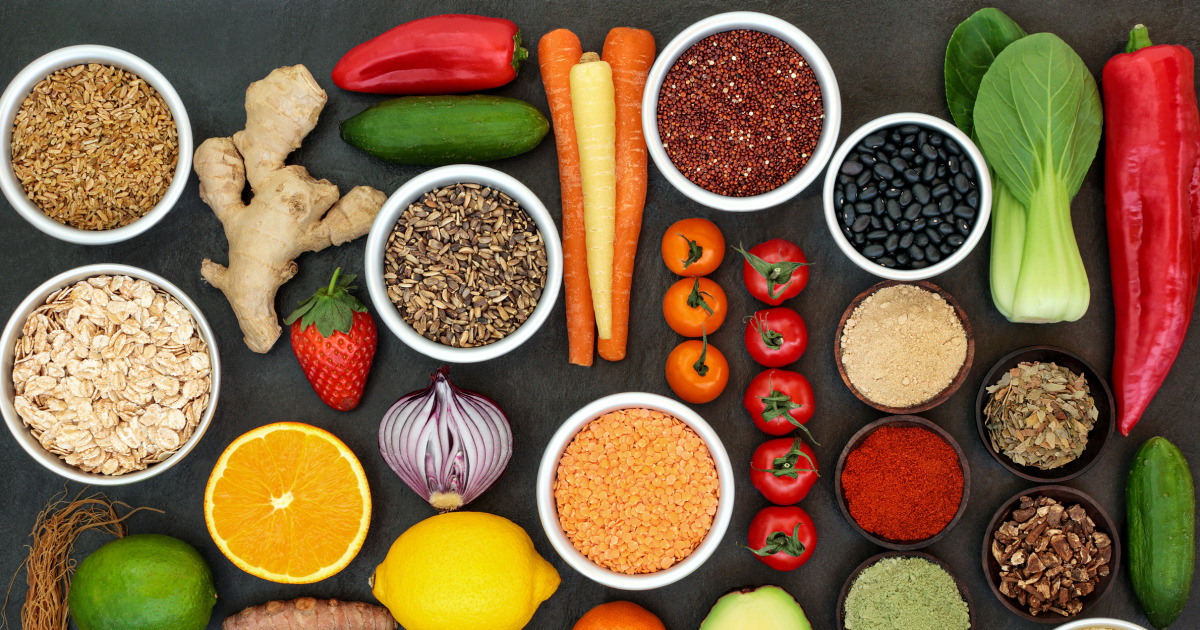
The research zoomed in on diet data collected when participants were navigating midlife—a time often brimming with both opportunity and challenge. The findings revealed that whole grains, fruits, vegetables, and legumes stood out as champions among carbohydrates. These foods are not merely ingredients; they’re experiences waiting to unfold on our plates. Imagine biting into a crunchy apple or savoring a bowl of quinoa laced with herbs—the flavors dance joyfully while nourishing our bodies simultaneously.
“Can someone think clearly? Can they physically function well?”
This inquiry by scientist Andres Ardisson Korat resonates deeply with me. Each question stirs memories of moments when vitality felt boundless: walking briskly through markets filled with fresh produce or sharing meals laden with laughter and connection around the table. The presence of resistant starches—like those found in beans—is noteworthy too; they help regulate blood sugar levels while offering that satisfying fullness we all crave.
The Definition of Healthy Aging
What does healthy aging truly mean? For the researchers, it was living past seventy without major chronic diseases like cancer or diabetes and retaining cognitive clarity alongside physical ability—all while maintaining good mental health. As I navigate life’s milestones, I find myself measuring my days against these benchmarks, considering whether I’m cultivating habits today that will serve me tomorrow.
Understanding Dietary Patterns
The analysis showed an intriguing correlation: women who incorporated high-quality carbs had a 31% greater chance of healthy aging compared to those indulging in low-quality alternatives—such as refined grains laden with added sugars—who faced 13% lower odds. This makes me reflect on my pantry staples; perhaps it’s time to prioritize whole grain pasta over its processed counterpart or swap sugary snacks for nutty energy bars rich in fiber.
“A person with good physical health would be able to lift and carry groceries.”
The Surprising Reality Check
An unexpected takeaway from this study was discovering how few participants reached age seventy free from chronic diseases—only 3,706 women managed this feat! This statistic gives me pause; it highlights the reality that despite best intentions and efforts toward wellness through diet, challenges remain abundant. Yet hope persists within those numbers—a reminder to explore possibilities rather than succumb to defeatism.
Navigating Nutrition’s Complex Terrain
I can’t ignore that there’s more than one path toward nourishment—and sometimes it feels overwhelming amidst all the wellness trends flooding social media feeds each day. Drifting away from strict dieting has liberated me; instead, I’ve learned to listen intently to what my body communicates about hunger and satisfaction. Perhaps embracing variety is key? Fruits emerge again as star players for healthy aging—they pack essential vitamins within their juicy forms—a natural dessert worthy of indulgence without guilt.
“I would recommend eating a variety of fruits.” – Heidi Silver
This brings back memories of summer picnics bursting with ripe berries or winter mornings starting sweetly with citrus slices atop oatmeal—a ritual echoing warmth across seasons rather than mere sustenance ticking off boxes on some food pyramid chart.
Your Own Journey Through Food Choices
If you ask me what advice I’d give someone wanting to embrace healthier eating patterns without feeling restricted by rules—it would simply be this: let your plate tell stories! Experiment freely while savoring textures—those crisp greens contrasting soft roasted vegetables create visual joy along side sensations worth relishing bite after bite.
The Balance Between Knowledge & Emotion
I recognize there’s still so much uncertainty embedded within discussions surrounding nutrition—it requires exploration marked by gentle curiosity instead of rigid skepticism toward emerging findings dazzling us daily like fireflies flickering against night skies urging us forward even when shadows loom large overhead!
A Grateful Reflection on Nourishment’s Role in Life
Nourishment goes beyond functionality—it meets us where we stand amid life’s intricate dance between joyfulness wrapped closely around rituals held dear—that same plate providing sustenance becomes an altar honoring connection forged along shared meals seasoned richly not only by spices but also love intertwined effortlessly throughout every experience lived fully embodied within ourselves!
Bishop P., et al (2020). “Dietary Patterns Associated With Healthy Aging.” JAMA Network Open.
Ardisson Korat A., et al (2023). “High-Quality Carbohydrates Linked With Cognitive Function.” JAMA Network Open.
Written for Aging Decoded – The Future of Health News, One Story at a Time.