

Exploring the Science of Longevity: Elizabeth Blackburn’s Journey
A Nobel Legacy in Cellular Science
When I think about aging and longevity, I can’t help but reflect on the remarkable journey of Elizabeth Blackburn, a beacon in the scientific exploration of health and cellular aging. In 2009, she was awarded the Nobel Prize in Physiology or Medicine for her groundbreaking work on telomeres and telomerase—two critical players in our understanding of cellular division and DNA replication. Her discoveries not only shed light on cancer treatment possibilities but also provide important clues to understanding how our life circumstances can influence our lifespan. “You have to get the science right,” she insists, an ethos that resonates deeply with me as I ponder my own health choices.
Curiosity from Childhood
Blackburn’s story begins far from lab coats and research papers. Born in Tasmania in 1948, she grew up amidst six siblings, all children of doctors. This environment nurtured her early fascination with the natural world—from jellyfish gliding along the beach to tadpoles residing in glass jars. I find it heartwarming to imagine young Elizabeth decorating her room with drawings of amino acids, captivated by both art and science. For many of us today, those childhood fascinations may seem trivial; however, they often lay the foundation for lifelong passions.
All seven Blackburn siblings in their garden at home in Launceston, Tasmania (ca. 1965). Elizabeth is second from the left in the back row © The Nobel Foundation
A Path Paved by Passion
After obtaining her biochemistry degree from the University of Melbourne, Blackburn ventured beyond Australia at just 24 years old for doctoral studies at Cambridge’s Laboratory of Molecular Biology (LMB)—the epicenter for molecular biology then. I imagine stepping into that environment must have felt like diving into an ocean—immersive and awe-inspiring. There she met Fred Sanger, whose mentorship helped shape her approach to research.
Life has a way of intertwining love with professional journeys; this became evident when Blackburn married fellow researcher John Sedat shortly after joining LMB. Her decision to follow him to Yale University guided her toward pivotal opportunities—a reminder that sometimes love leads us precisely where we need to be.
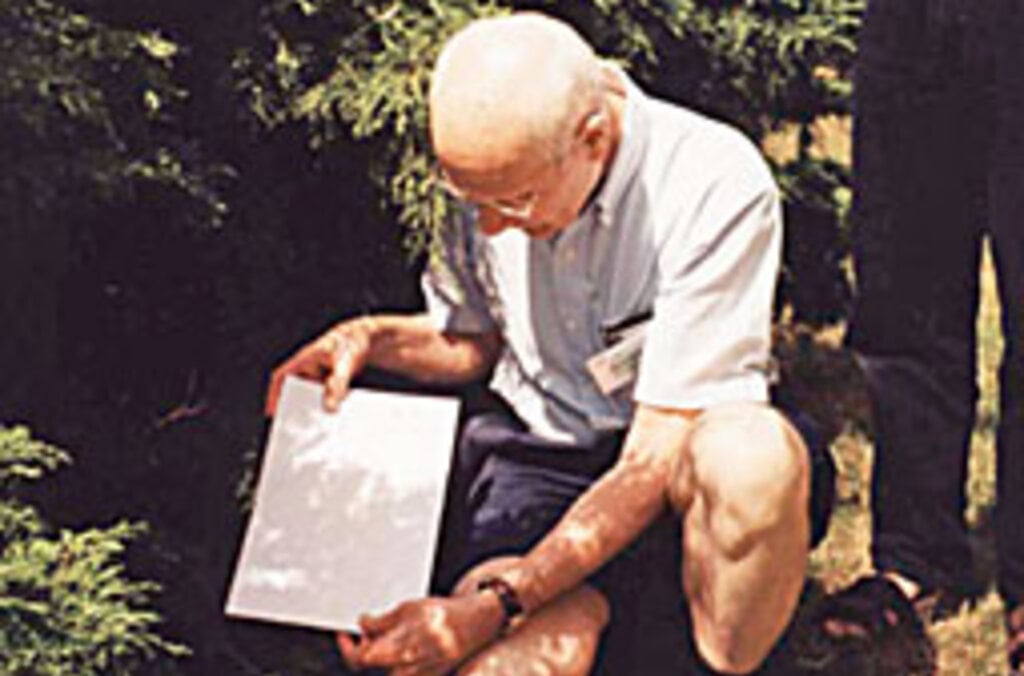 Elizabeth Blackburn’s PhD adviser at Yale University, Joseph Gall (1999) © The Nobel Foundation
The Groundbreaking Discovery
At Yale under Joseph Gall’s guidance, Blackburn focused on telomeres using Tetrahymena—single-celled organisms rich in linear chromosomes where telomeres reside. It was here that she made a pivotal discovery: telomeres are comprised of six short repeating segments of DNA—a realization that set off a chain reaction leading to further groundbreaking findings.
I still marvel at how curiosity drives scientific inquiry forward; together with biologist Jack Szostak, Blackburn sought answers about how these protective caps worked during cell division—a fascinating exploration into what keeps our genetic material intact as cells replicate themselves.
The Protective Role of Telomeres
Telomeres act like caps on shoelaces—they safeguard chromosome ends during cell division ensuring vital genetic information is preserved. Yet as we age or experience stress through life events or trauma—as shown by Blackburn’s subsequent studies—their resilience diminishes over time.
It makes me ponder: How many people carry invisible burdens that weigh down their cellular health? How much do our emotional experiences shape our physical well-being?
The Enzyme That Changed Everything
In 1984 came a monumental breakthrough; alongside her student Carol Greider, Blackburn discovered telomerase—the enzyme capable of extending DNA strands before duplication occurs compensating for telomere shortening during cell division. Imagine standing there witnessing a breakthrough that could alter understandings around cancer biology forever—it must have been exhilarating!
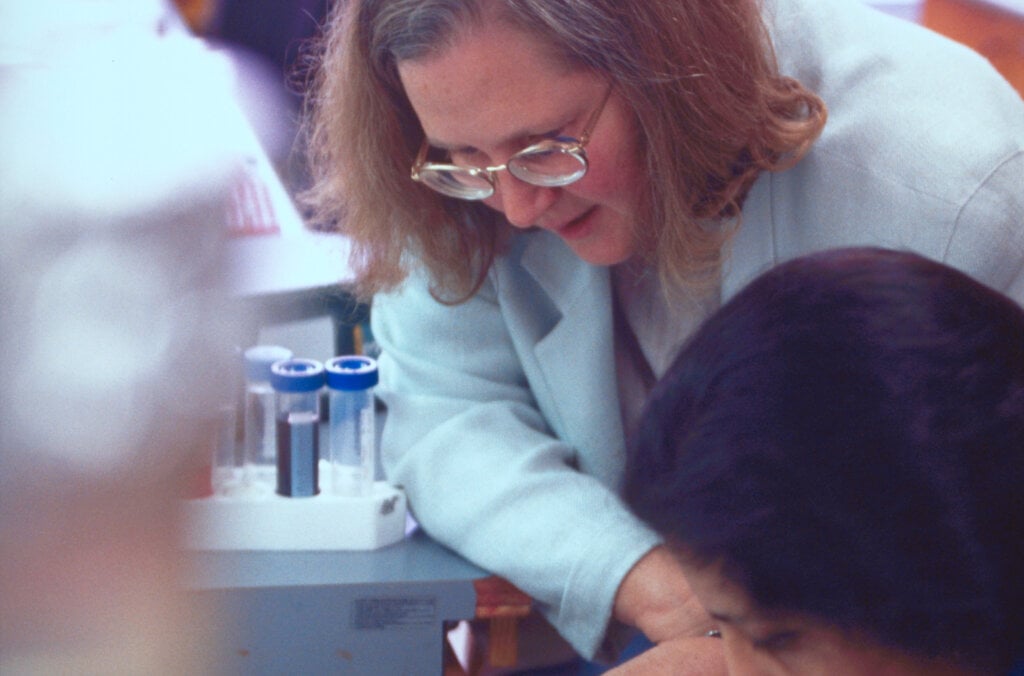 Elizabeth Blackburn with a student in her lab at UCSF Copyright © University of California, San Francisco 2009 Photo: David Powers
A Broader Perspective on Health & Stress
Years later at UCSF, where she relocated her lab in 1990, I find it inspiring how Blackburn expanded her focus beyond molecular mechanics—she began exploring connections between stressors and biological outcomes tied directly back to telomeres.
Her collaboration with psychologist Elissa Epel revealed troubling links between chronic stressors faced by mothers caring for sick children—and even spouses dealing with dementia—that correlated shorter telomere lengths indicating accelerated aging processes.
“It really resonated with me as a mother,” says Blackburn reflecting on these findings.” A very nonscientific reason if you will—but isn’t that an interesting question?”
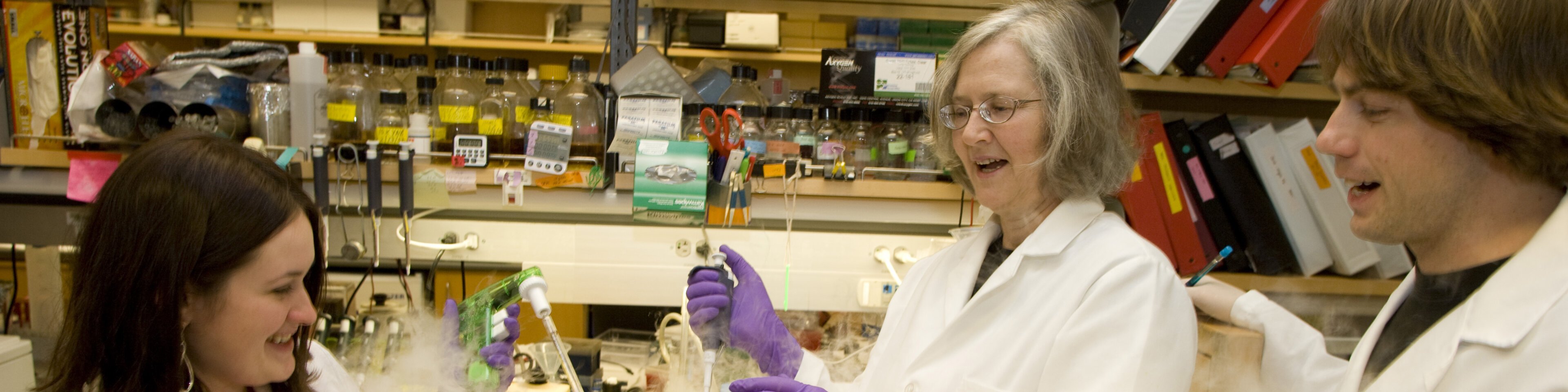
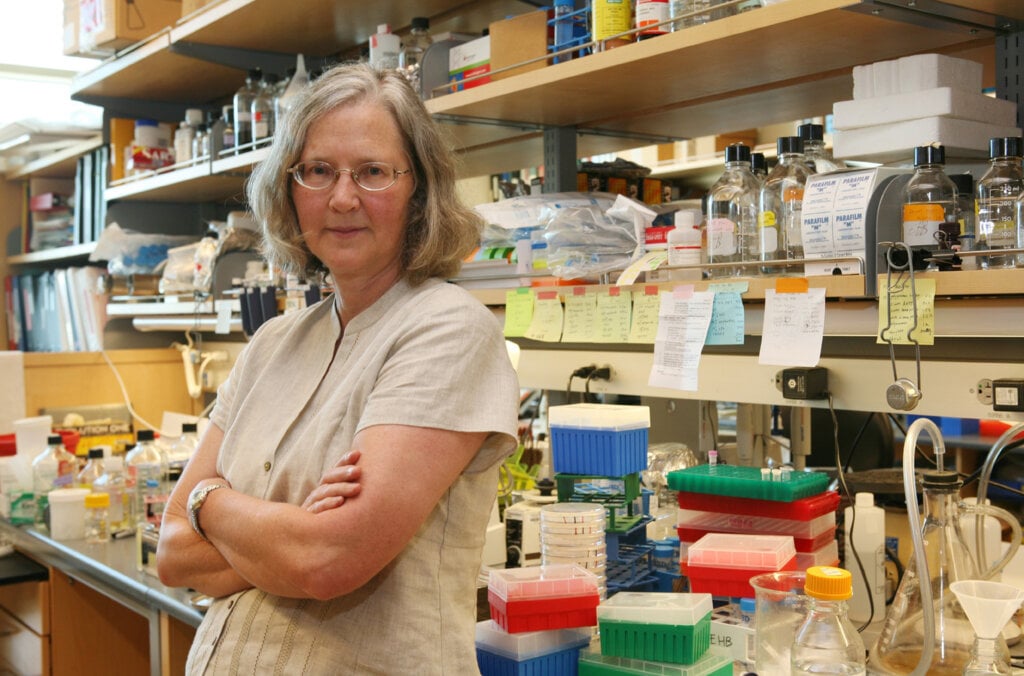 Elizabeth Blackburn working diligently within her lab Copyright © University of California San Francisco Photo: Elisabeth Fall/fallfoto.com
The Quest Continues…
I can’t help but feel inspired by how wholeheartedly she continues asking questions surrounding personal health impacts—whether exercise or meditation might contribute positively towards lengthening one’s lifespan through enhanced telomere integrity.
And yet she doesn’t shy away from examining difficult subjects: How does growing up amidst adversity affect one’s biological clock? Does social disadvantage echo across generations through genetic markers like initial setting young lives’ starting points?
These inquiries remind me there’s so much more beneath surface-level effects than we generally acknowledge regarding wellness practices!
“Aging is so many different things… cells being able to self-renew is part but not all,” reflects Elizabeth thoughtfully while contemplating complex interplay between lifestyle choices & cellular vitality.”
Written for Aging Decoded – The Future of Health News One Story at a Time.