

Unraveling the Mysteries of Gut Health: A Personal Journey
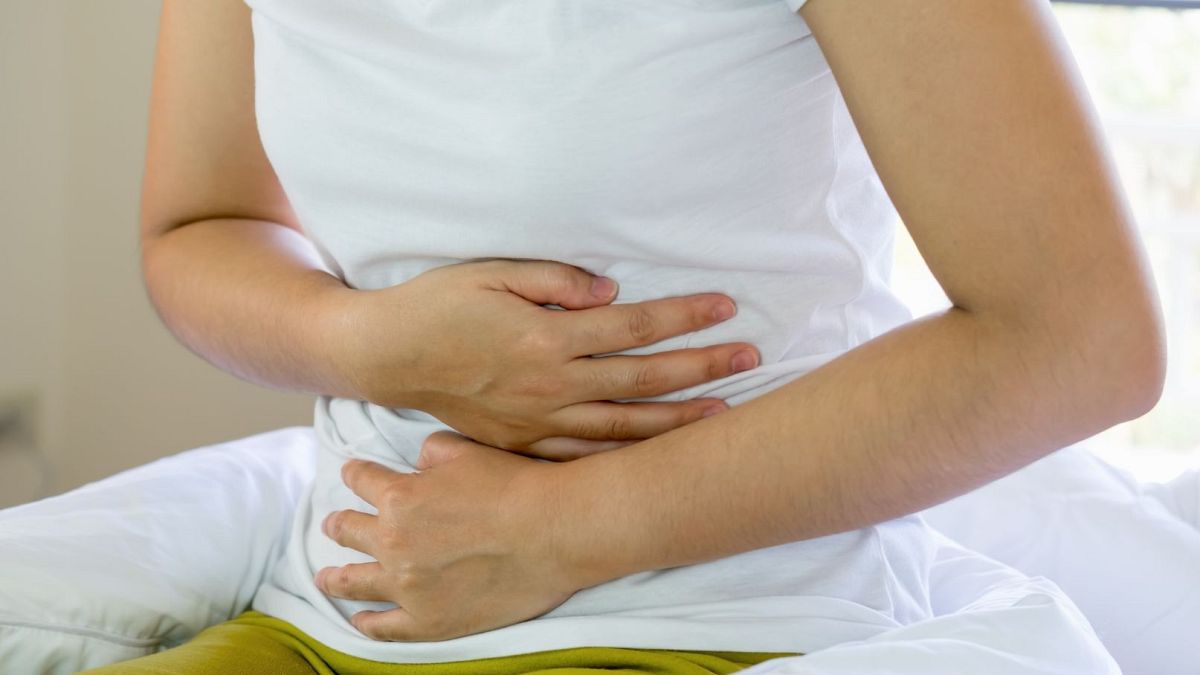
As I navigate the myriad of advice that floods my inbox about gut health, I find myself reflecting on the relationship between what we eat and how it affects not just our bodies, but our very essence. Diet is more than nutrition; it’s memory, ritual, and often a source of comfort—or discomfort. Lately, my focus has turned to understanding the gut microbiome, that intricate universe within us that seems to hold answers for everything from sleepless nights to our emotional well-being.
The gut microbiome—the community of bacteria and tiny organisms residing in our digestive tracts—has become something of a celebrity in health conversations. It’s fascinating yet overwhelming to think that this microscopic ecosystem could be linked to such significant issues as cancer, insomnia, and even preterm birth. Like many others, I’ve been swept up in the excitement surrounding this research; however, each revelation often leaves me with more questions than clarity. How do we sift through these claims when so much misinformation lurks like shadows in a candlelit room?
I recently had the opportunity to speak with several experts who shed light on these confounding matters. Their consensus was enlightening: there is no one-size-fits-all model for a “perfectly healthy” gut because each person’s microbiome is as unique as their fingerprint. Dr. Alan Walker from the University of Aberdeen emphasized this beautifully when he said, “With the microbiome, it’s very rare that you can give a straight answer that applies to everyone.” It got me thinking about my own experiences—how different foods affect my mood or energy levels—and how these variations truly are part of what makes us human.
The Allure of At-Home Tests: Are They Worth It?
In an age where convenience reigns supreme, at-home gut health tests beckon like brightly colored candies at a fair. They promise insights based on stool samples—indicators marked by green and red shades depicting whether certain foods are harmful or beneficial. However, Dr. Lucas Wauters from UZ Leuven cautions against taking these results at face value. He noted how “simple indices and indicators are always very misleading.” Maybe I’m guilty here; I’ve certainly been tempted by quick fixes instead of embracing the complexity of nutrition.
The truth is far more nuanced than those color-coded graphs suggest. While some tests may offer genuine insights into food intolerances or specific bacterial imbalances, many lack solid scientific backing and could lead down rabbit holes lined with pricey supplements promising miraculous cures.
“If claims are put too simply… then you can call it a scam,” warns Wauters.
A Cautionary Tale About Quick Fixes
The aisles in health stores brim with enticing bottles boasting promises to enhance gut health through magical detoxes or miracle powders. I’ll admit—I’ve tried quite a few myself during moments driven by desperation rather than informed choice! Yet Walker urges caution here too: check for evidence supporting these products before diving in headfirst.
“If proof isn’t there,” he reflects thoughtfully, “it doesn’t mean it won’t work but…it’s a leap of faith.” This resonates deeply with me; so many times I’ve leapt only to land softly without any real change—a reminder that not all solutions lie outside ourselves.
The Complex World of Probiotics
If you’re like me and have wandered down the probiotic aisle captivated by phrases like “restores natural balance,” know this complexity runs deeper than anticipated too! Probiotics—those beneficial bacteria found in fermented delights like yogurt and kimchi—are often misperceived as straightforward remedies for gut woes.
I remember enjoying homemade kombucha for its refreshing fizz while believing I was doing wonders for my digestion—but alas! Walker points out there are thousands of different strains involved here; simply tossing back supplements may not yield significant changes unless matched thoughtfully with specific dietary needs or conditions.
A Word on DIY Fecal Transplants
This brings us to one final thought-provoking topic: fecal transplants—the cutting-edge procedure gaining traction due to its success against Clostridium difficile infections yet fraught with peril when attempted without medical guidance. The idea alone sends shivers down my spine yet highlights society’s drive toward home remedies amidst newfound knowledge about our guts’ power.
I can’t help but recall past kitchen experiments gone awry—like trying (and failing) to replicate grandma’s perfectly spiced sauce only resulting in chaos rather than culinary magic—and I wonder if individuals attempting DIY fecal transplants might meet similar fates? Walker poignantly reminds us that unprofessional attempts can carry risks we don’t fully understand yet—and perhaps that’s wisdom worth heeding!
Tried-and-True Ingredients Matter Most
If there’s one thing both Wauters and Walker agree upon amidst all this swirling confusion around diet trends—it’s simplicity at its best! Returning home after long days spent chasing flavor inspiration reminds me how nourishing staple foods can be: fresh fruits bursting with sweetness alongside hearty grains filled with fiber tend to create harmony within our bodies’ ecosystems.
Sipping lemon-infused water while munching on crunchy kiwis feeds both body and soul; it feels almost ritualistic now—a gentle reminder through taste rather than complex calculations around macros or calories!
“There’s lots of promise [in gut microbiome research], but at this point… we need better quality evidence,” advises Walker wisely.
Nourishment Beyond Nutrition
Nourishing oneself transcends mere nutrients; it embodies balance woven into daily life choices—from sharing meals gathered around tables filled with laughter—to acknowledging moments where indulgence meets restraint without guilt overshadowing joy!
This journey toward understanding our guts brings together threads woven from personal experiences—delicious family recipes passed down generations merged harmoniously alongside scientific inquiries igniting curiosity within ourselves about what truly supports vibrant living well into old age!
Written for Aging Decoded – The Future of Health News, One Story at a Time.